


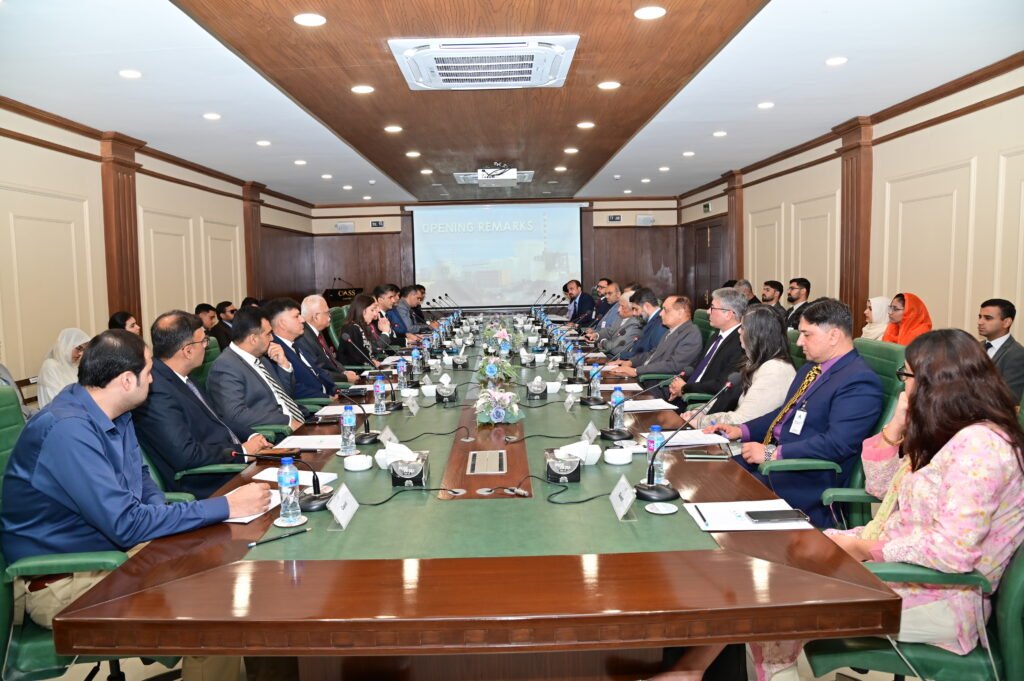
Roundtable Conference
Peaceful Uses of Nuclear Technology
September 17, 2025
The event examined the peaceful applications of nuclear technology and explored its impact on energy, health, agriculture and industry while highlighting the frameworks that ensure its responsible use for sustainable development.
About The Event
Nuclear technology occupies a unique place in the landscape of modern science and international affairs. While its military dimension has historically dominated strategic discourse, the peaceful applications of nuclear science have had an equally profound, yet often understated, impact on global development. From powering industries and cities to advancing medical diagnostics and therapies, from improving crop yields to enabling sophisticated industrial processes, the atom has quietly become integral to modern human progress.
As global energy needs increase, nuclear power provides a reliable and low-carbon alternative in the transition to cleaner sources. Beyond energy, nuclear medicine has advanced public health through imaging, cancer treatment, and sterilisation techniques. Agriculture and food security also benefit from nuclear applications in crop improvement, pest control, and preservation. Together, these uses illustrate how nuclear science, when responsibly applied, can drive sustainable growth across multiple sectors of human life.
Equally critical to the peaceful use of nuclear technology are the frameworks that govern it. Nuclear safety, security, and non-proliferation remain central to ensuring that the atom’s vast potential is realised without jeopardising human welfare or international peace. The balance between innovation and regulation is indispensable to advancing nuclear science in ways that serve humanity while preventing its misuse.
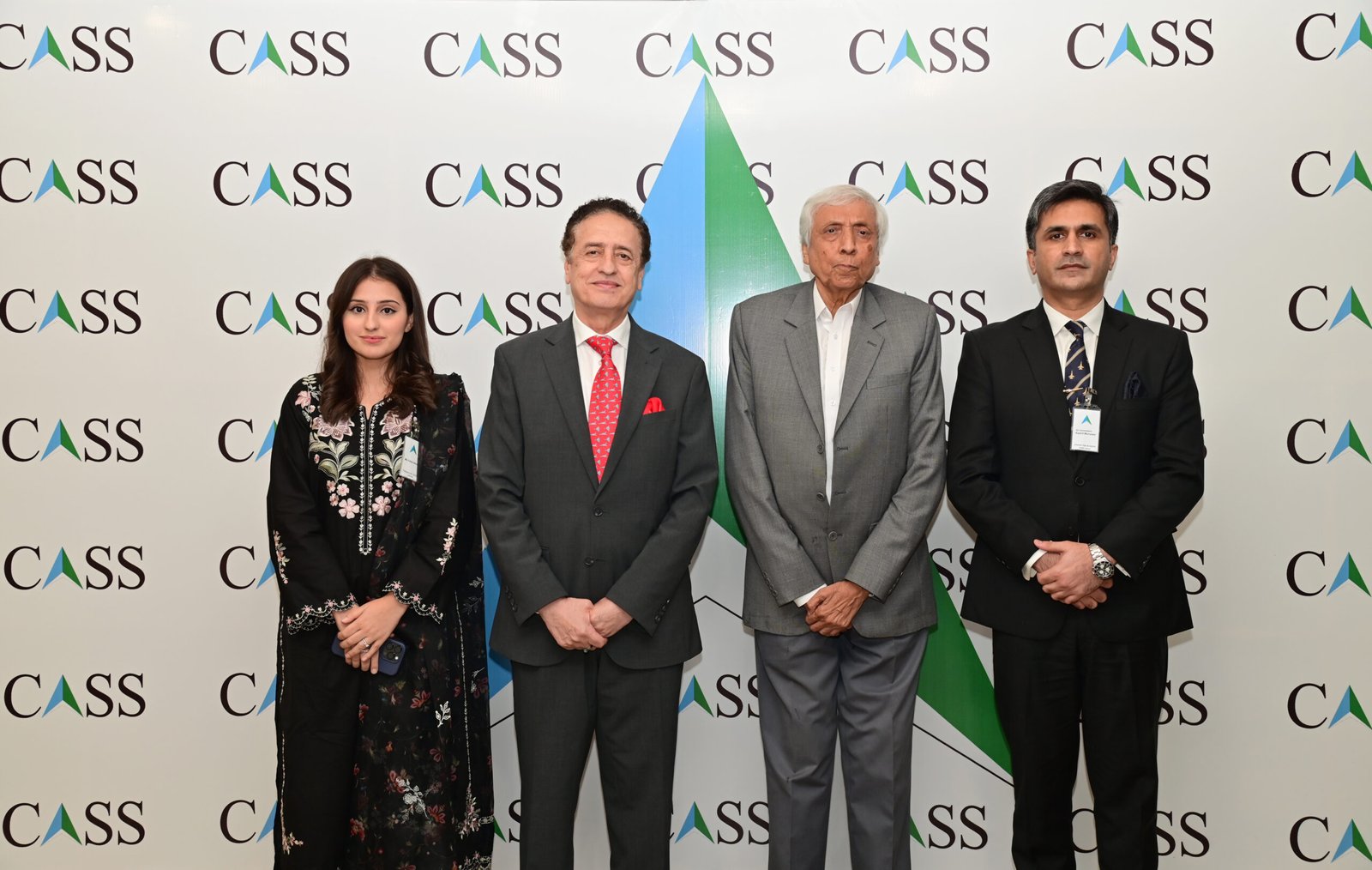
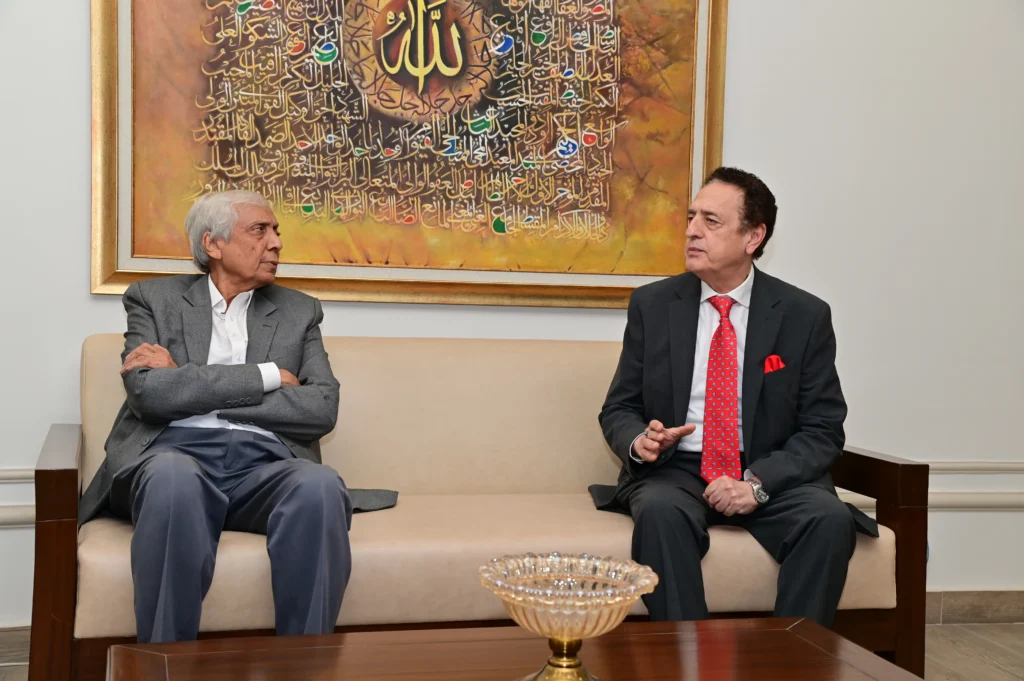
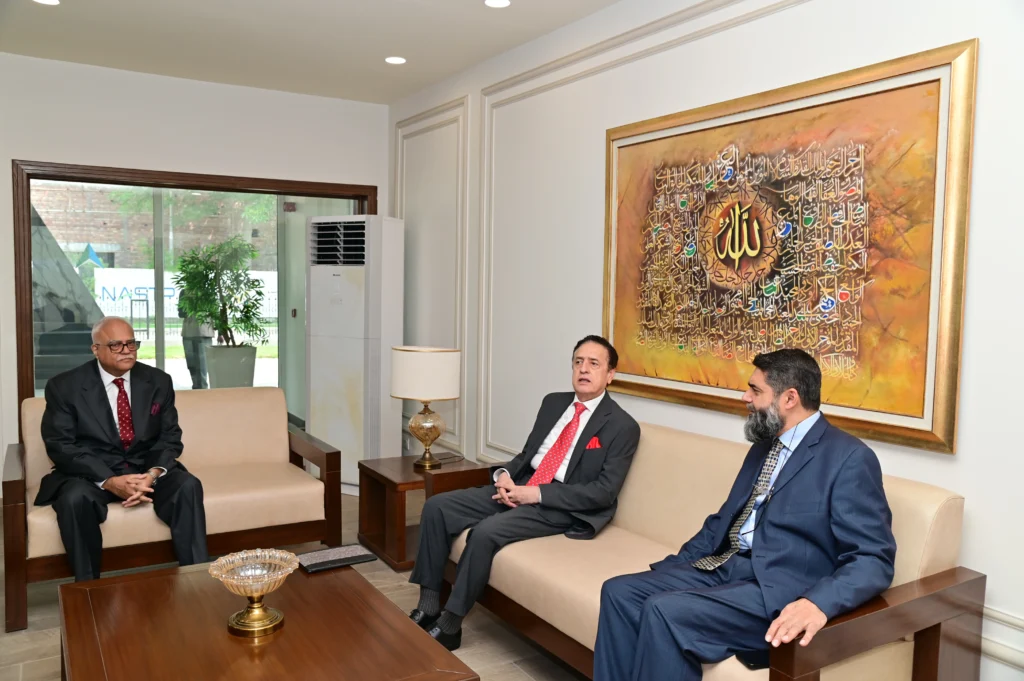
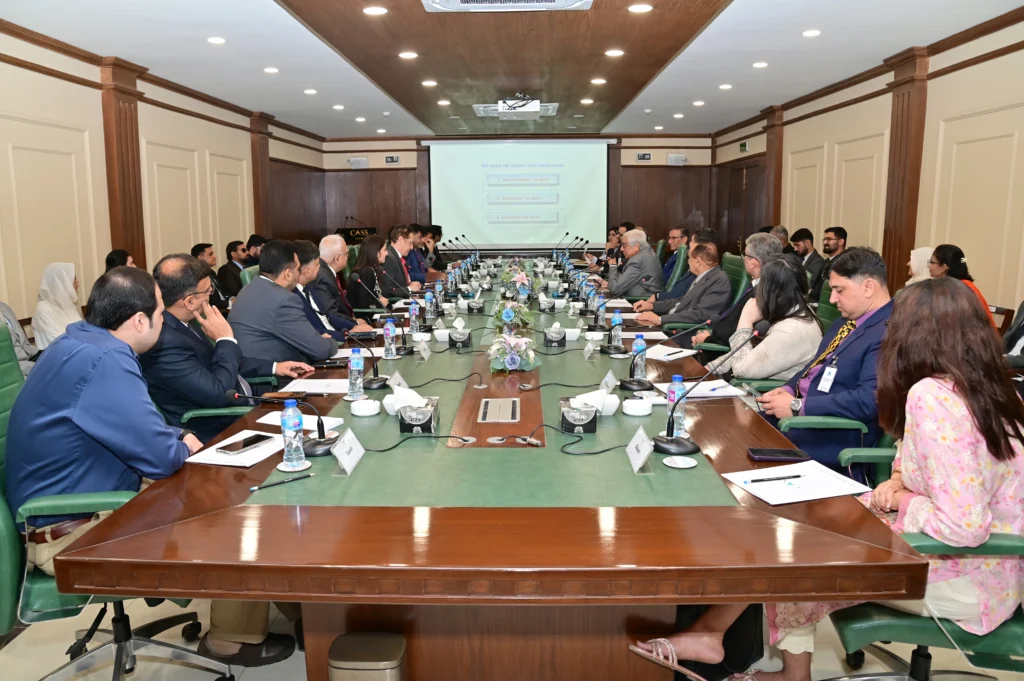
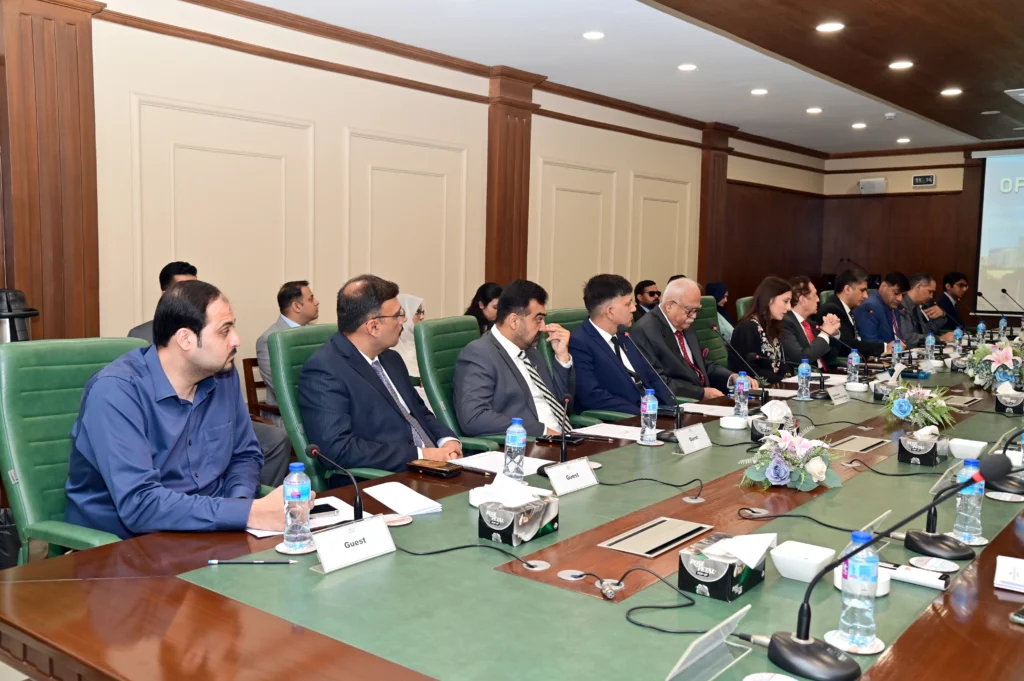
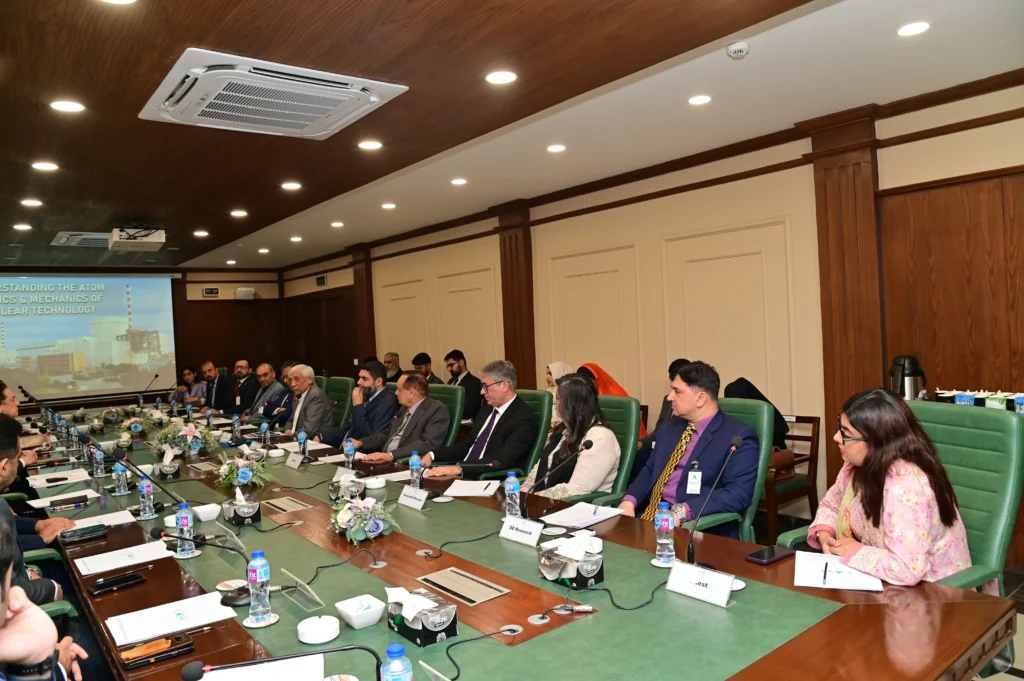
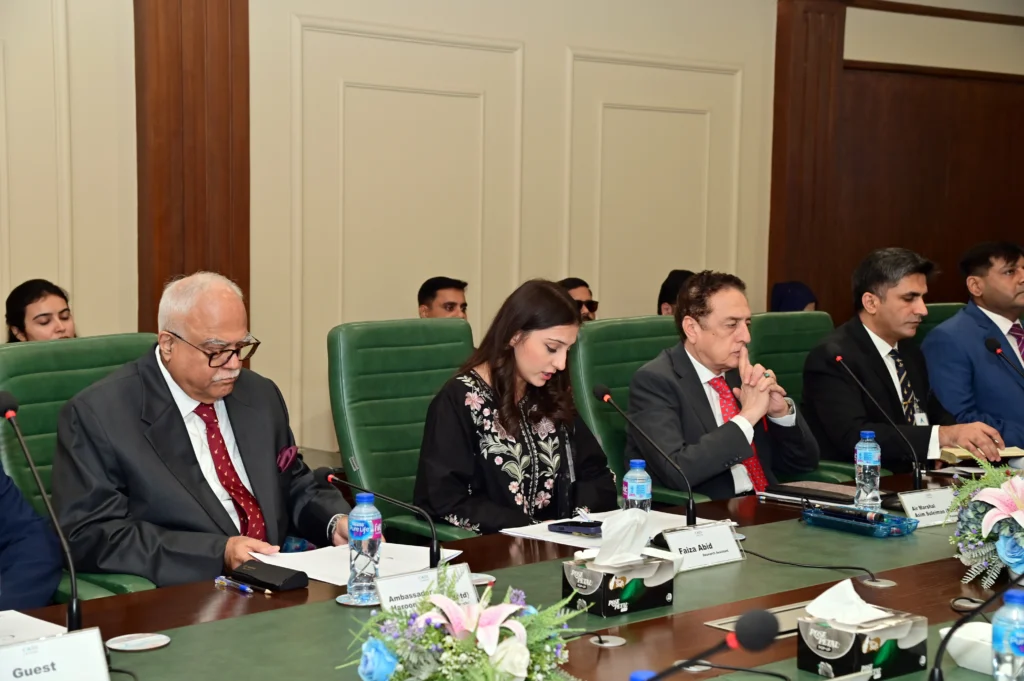
Against this backdrop, the Centre for Aerospace and Security Studies, Lahore, organised a guest lecture on the Peaceful Uses of Nuclear Technology. The guest speaker, Dr Ansar Pervez, Advisor Nuclear Power, National Command Authority (NCA), offered a comprehensive perspective on the scientific foundations of nuclear technology, its wide-ranging peaceful applications, and the global frameworks that regulate its use. By situating nuclear science within both its technical and governance contexts, the lecture deepened the understanding of how this powerful technology can be harnessed as a force for progress, cooperation, and sustainable development.
Key Takeaways
- Misperceptions Shape Public Response to Nuclear Energy
Public fear of radiation, heavily influenced by historical events like Hiroshima, Nagasaki, and Fukushima, persists despite scientific evidence of low operational risks, distorting policy debates and impeding nuclear expansion.
- Radiation Risks Are Quantifiable and Manageable
Scientific principles, such as acute dose thresholds and the half-life of isotopes, allow precise management of radiation exposure, demonstrating that nuclear energy can be a low-risk, high-reward source when regulations and monitoring are rigorously applied.
- Nuclear Safety Relies on Defence in Depth
Modern reactor safety depends on layered containment, active and passive cooling, and control mechanisms, which prevent chain reactions from escalating, ensuring that nuclear power remains inherently safe and distinct from weaponisation.
- Pakistan’s Nuclear Self-Reliance and Strategic Capability
Pakistan stands among a select group of countries with full-spectrum nuclear fuel cycle capabilities, including enrichment, reprocessing, and waste management. Achieved largely through indigenous development amid international technology-denial regimes, this reflects strategic autonomy, technical maturity, and resilience.
- Pakistan’s Commitment to Responsible Nuclear Governance
Despite being a non-signatory to the NPT, Pakistan has demonstrated responsible nuclear stewardship by placing civilian facilities under IAEA safeguards and maintaining a robust, independent regulatory authority (PNRA).
- Nuclear Technology and SDGs
Pakistan is leveraging nuclear technology as a strategic enabler across all 17 Sustainable Development Goals (SDGs), demonstrating that peaceful atomic science can drive broad-based socio-economic progress.
- Global Nuclear Governance and Its Challenges
Treaties like the PTBT, CTBT, CPPNM, and FMCT aim to mitigate nuclear risks; however, selective compliance, political stalemates, and inconsistent enforcement have limited their overall effectiveness.
Policy Considerations
- Strengthen Public Education and Communication
Pakistan must launch evidence-based campaigns to counter misconceptions about radiation, emphasising nuclear energy’s negligible exposure compared with natural and medical sources, while highlighting societal benefits in energy, medicine, and agriculture.
- Enhance Radiation Safety and Monitoring
Pakistan should enforce strict exposure limits for the public (1 mSv/year) and trained workers (20 mSv/year), alongside routine monitoring for high-risk professions, with automatic work restrictions when thresholds are reached to safeguard long-term health.
- Implement Comprehensive Nuclear Waste Management
Pakistan must develop differentiated strategies for short- and long-lived radioactive waste, including shielding, cooling, vitrification, and secure long-term storage, while maintaining full traceability to strengthen public trust and regulatory compliance.
- Evidence-Based Nuclear Expansion
Pakistan should prioritise reactor construction and fuel cycle development based on scientific risk assessment, demographic needs, and long-term energy security, rather than public perception or political pressures, while promoting controlled research and peaceful applications.
- Strengthen Indigenous Fuel Cycle and R&D
Pakistan should expand uranium enrichment, fuel fabrication, and reactor maintenance expertise to deepen autonomy, while scaling up research at institutes like PIEAS, NIBGE, and PINSTECH to secure next-generation innovations.
- Align Nuclear Expansion with SDGs
Pakistan must leverage its nuclear contributions to SDGs (healthcare, agriculture, clean energy, climate action) in international climate and trade negotiations to enhance legitimacy, attract investment, and counterbalance technology-denial regimes.
- Elevate Pakistan’s Global Nuclear Role
Pakistan must proactively participate in global nuclear norm-setting on dual-use technologies and fissile material limits, while showcasing its expertise in safe, secure operations by sharing best practices to reinforce responsible stewardship and strengthen global governance.
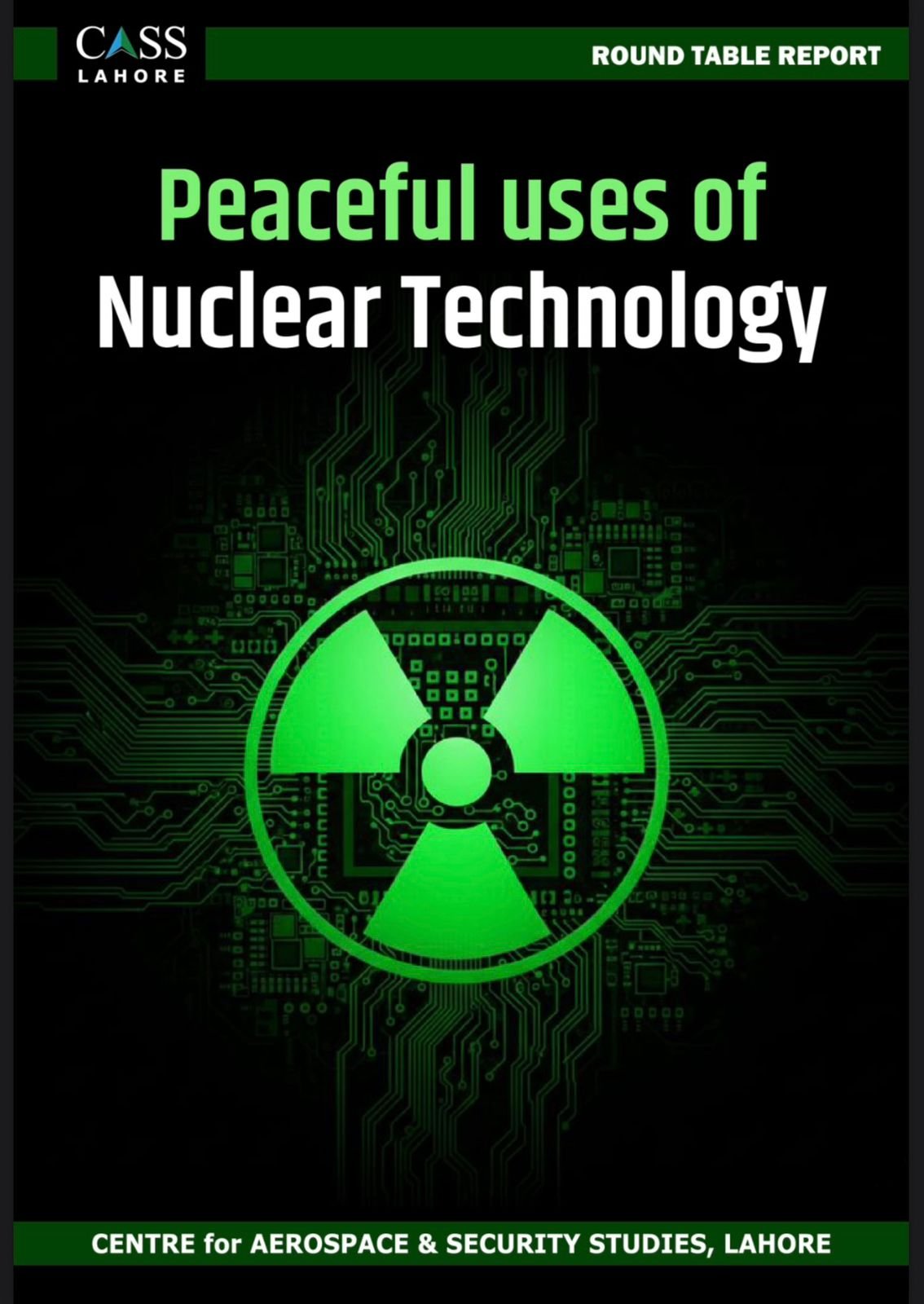

Post Event Report
A comprehensive report capturing expert analyses, strategic insights, key recommendations, media coverage, and event highlights.
Guest Speakers
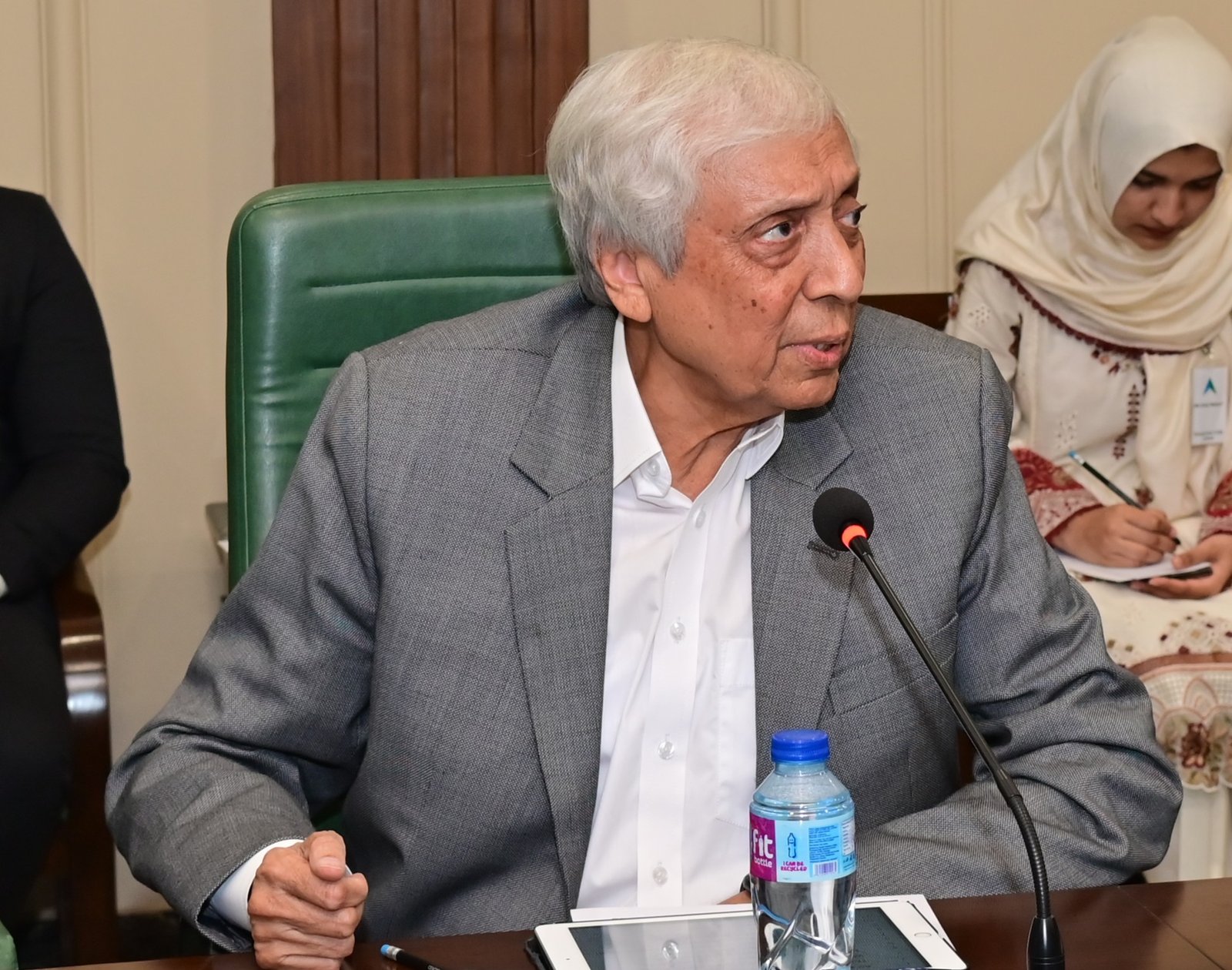
Dr Ansar Parvez
Advisor Nuclear Power, NCA
Dr Ansar Parvez is currently the Advisor Nuclear Power to National Command Authority (NCA), Pakistan.He earned a Ph.D. in Nuclear Engineering from the Rensselaer Polytechnic Institute, US and also holds a Master’s Degree in Physics from Punjab University and in Nuclear Technology from Quaid-i-Azam University. Dr Parvez has held a long meritorious career at the Pakistan Atomic Energy Commission serving in various capacities including Chairman PAEC from 2009 to 2015. In the course of his career, he focused on human resource development, and contributed to peaceful applications of nuclear technology in the health, agriculture, and energy sectors. He has been Visiting Faculty Member at Purdue University, US. He also held the position of Chairman of the Board of Governors of the IAEA in 2012.
Dr Parvez has written extensively on civilian nuclear technology. He has been decorated with the Hilal-i-Imtiaz for his exemplary service.
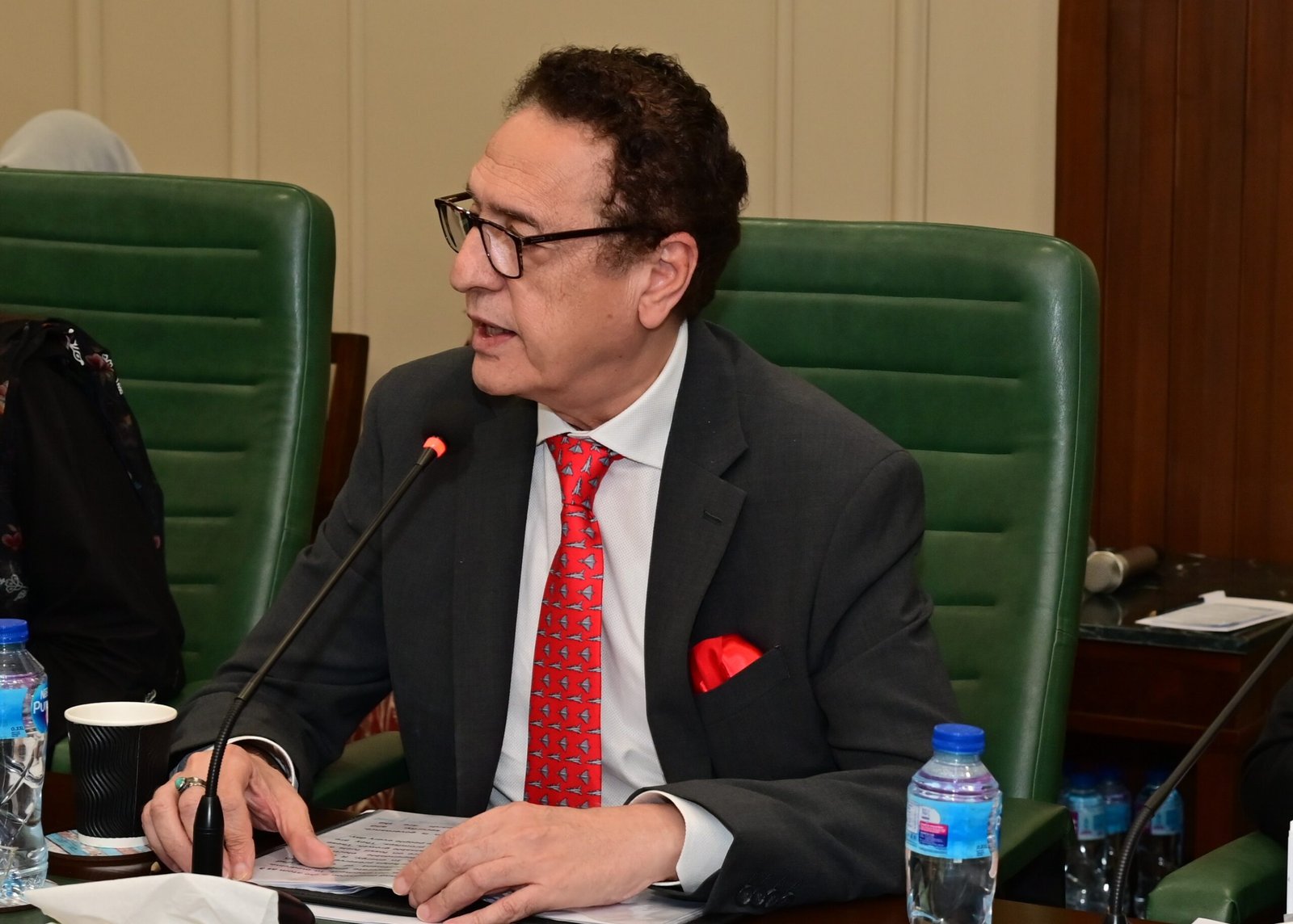
Event Chair
Air Marshal Asim Suleiman (Retd)
President, CASS Lahore
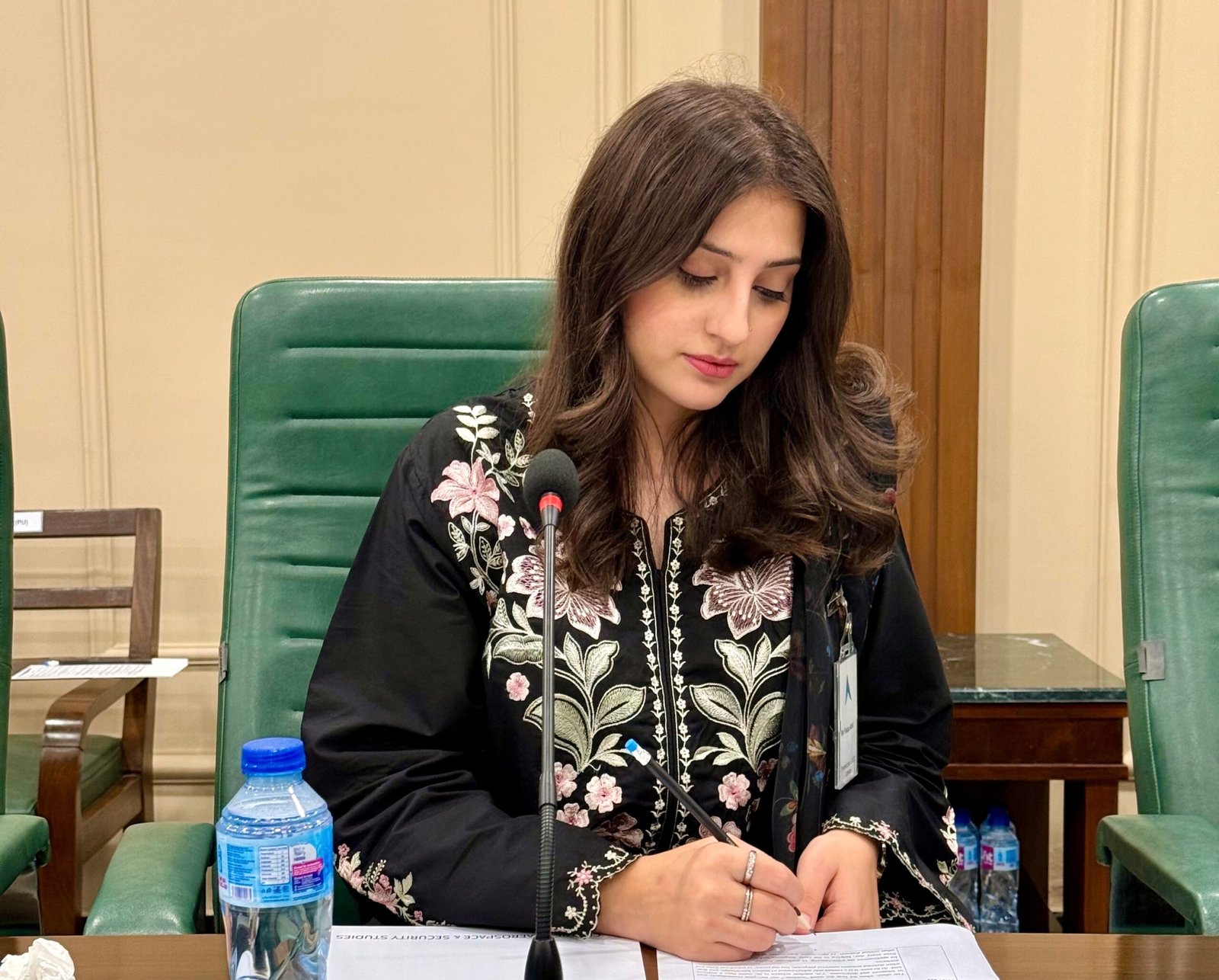
Event Coordinator
Faiza Abid
Research Assistant, CASS Lahore
Master of The Ceremony
Faiza Abid
Research Assistant, CASS Lahore
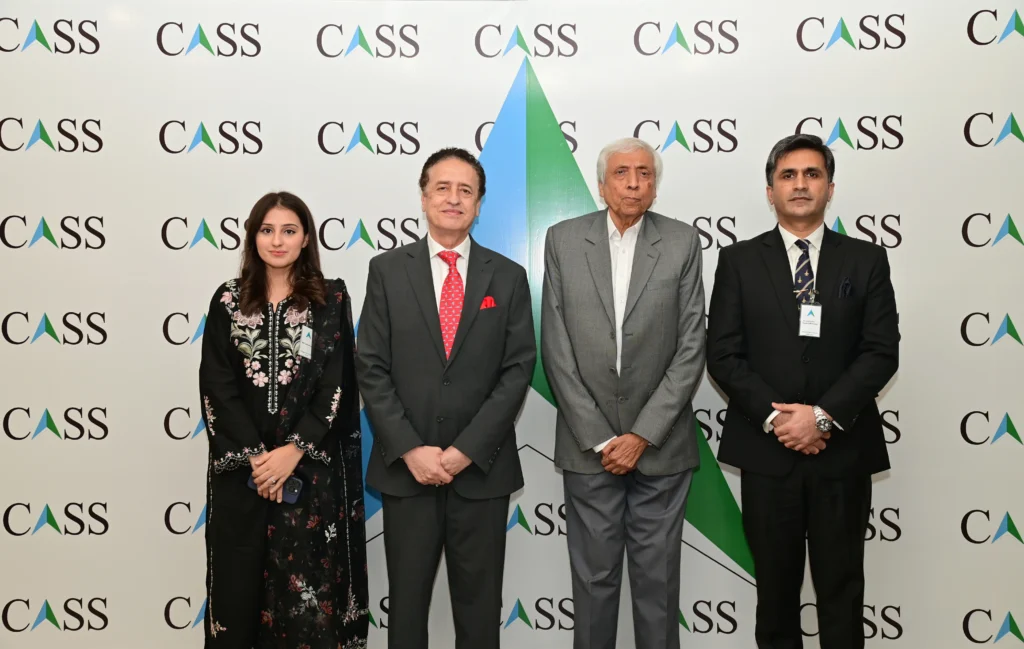
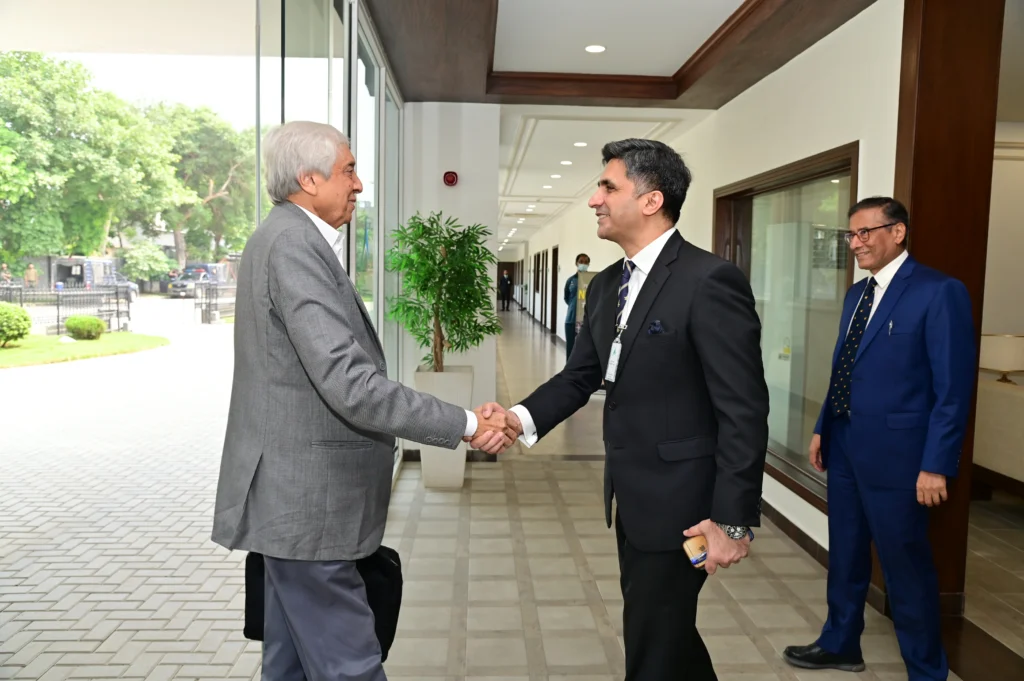
CASS LAhore

The Centre for Aerospace & Security Studies (CASS) was established in July 2021 to inform policymakers and the public about issues related to aerospace and security from an independent, non-partisan and future-centric analytical lens.
CASS Newsletter

@2025 – All Right Reserved with CASS Lahore.

- Home
- About Us
- Research Domains
- Publications
- Events
- Gallery
- Contact Us
@2021 - All Right Reserved. Designed and Developed by PenciDesign