Iran’s Rights and Obligations Under the Nuclear Non-Proliferation Regime
November 19, 2025
The roundtable examined Iran’s evolving nuclear posture, highlighting ambiguities in NPT commitments, the impact of the June 2025 strikes, and widening strains in the global non-proliferation regime.
About The Event
The global nuclear non-proliferation regime, established through the Treaty on the Non-Proliferation of Nuclear Weapons (NPT), is under increasing pressure amid rising geopolitical tensions, selective enforcement, and unilateral military actions. At the centre of this evolving landscape is Iran, a signatory of the NPT whose nuclear programme continues to draw international scrutiny despite its stated right to peaceful nuclear technology under Article IV of the NPT as well as continued compliance with IAEA safeguards.
Over the years, Iran’s nuclear facilities have been the target of a series of covert and overt attacks, most notably by Israel. These include the 2010 Stuxnet cyberattack, which disrupted uranium enrichment operations at Natanz, and subsequent sabotage operations targeting nuclear scientists and key infrastructure. More recently, the Israeli and US airstrikes in June 2025 on Iranian nuclear facilities marked a dramatic escalation, causing significant infrastructural damage and triggering radiation concerns. Such actions cast a shadow over the integrity of the NPT and raise critical questions about the legality of pre-emptive strikes on safeguarded facilities.
The persistent use of force or covert disruption against a declared, safeguarded programme further reinforces perceptions of selective application and politically motivated enforcement within the non-proliferation regime. It risks undermining the regime’s credibility and increases the potential of a nuclear cascade in the Middle East particularly with rising interest from states such as Saudi Arabia and Turkey.
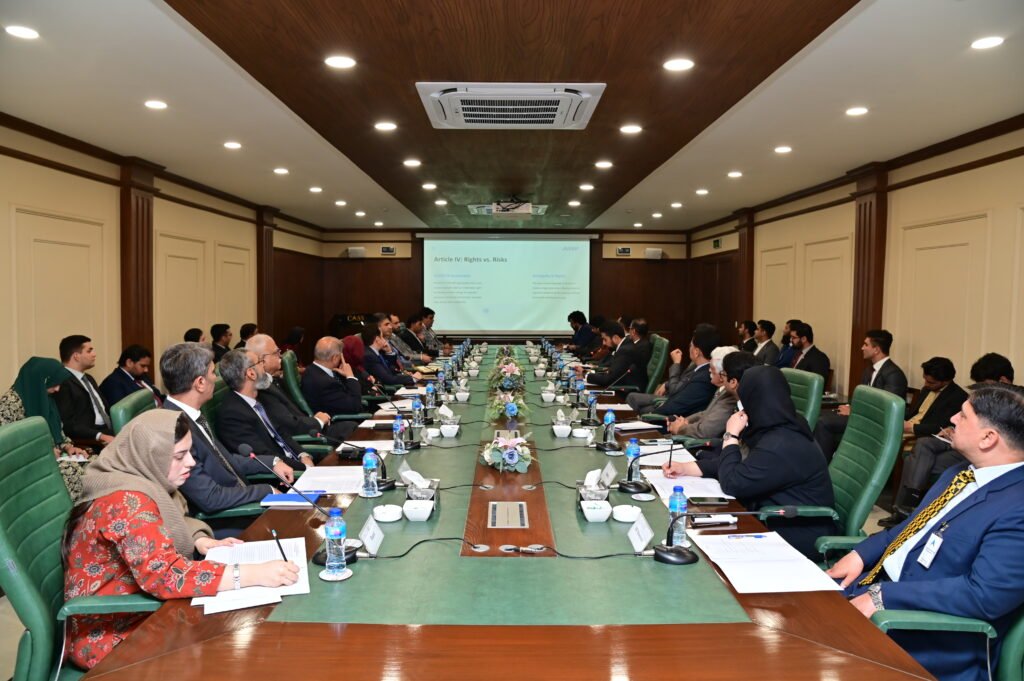
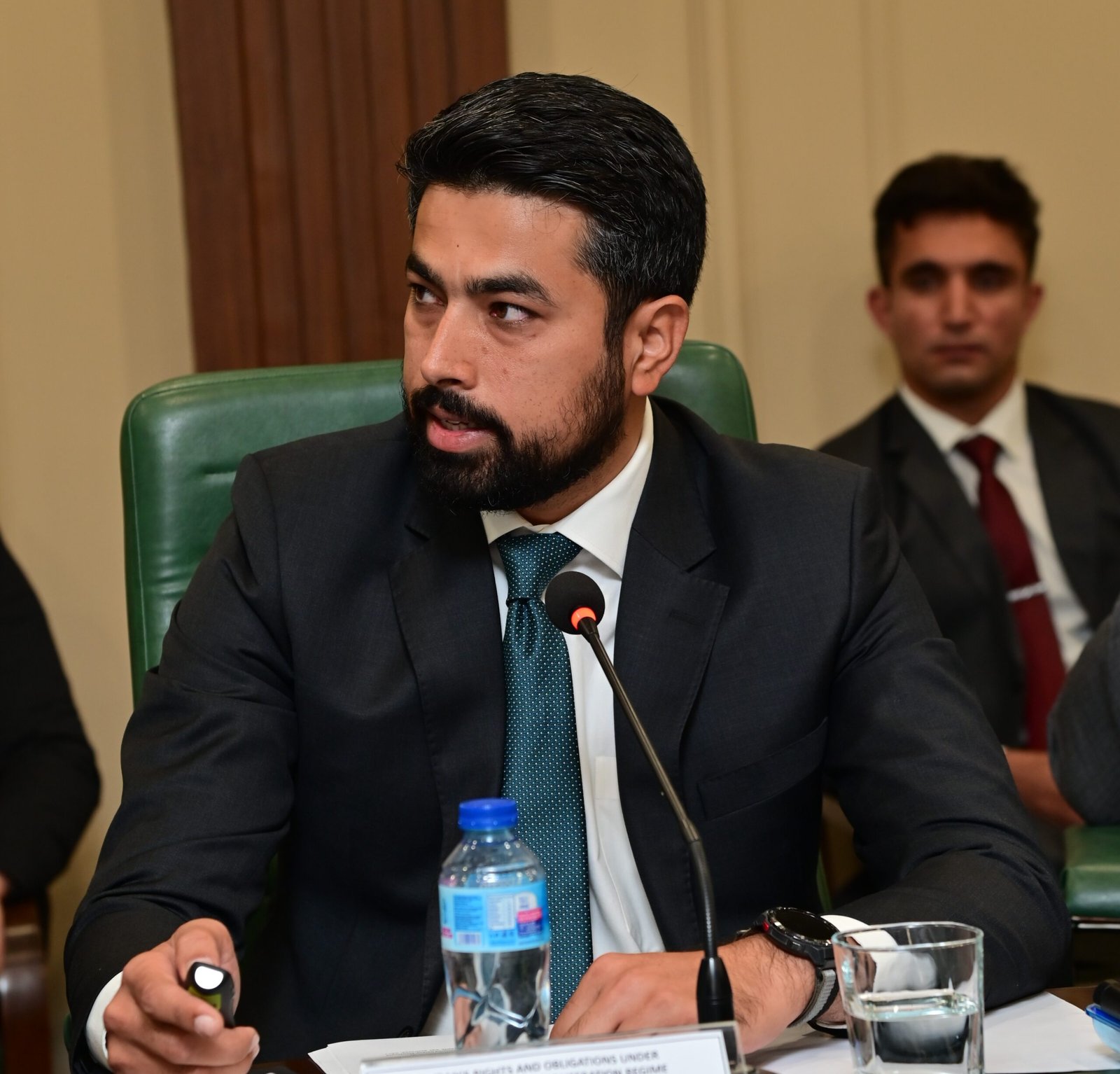
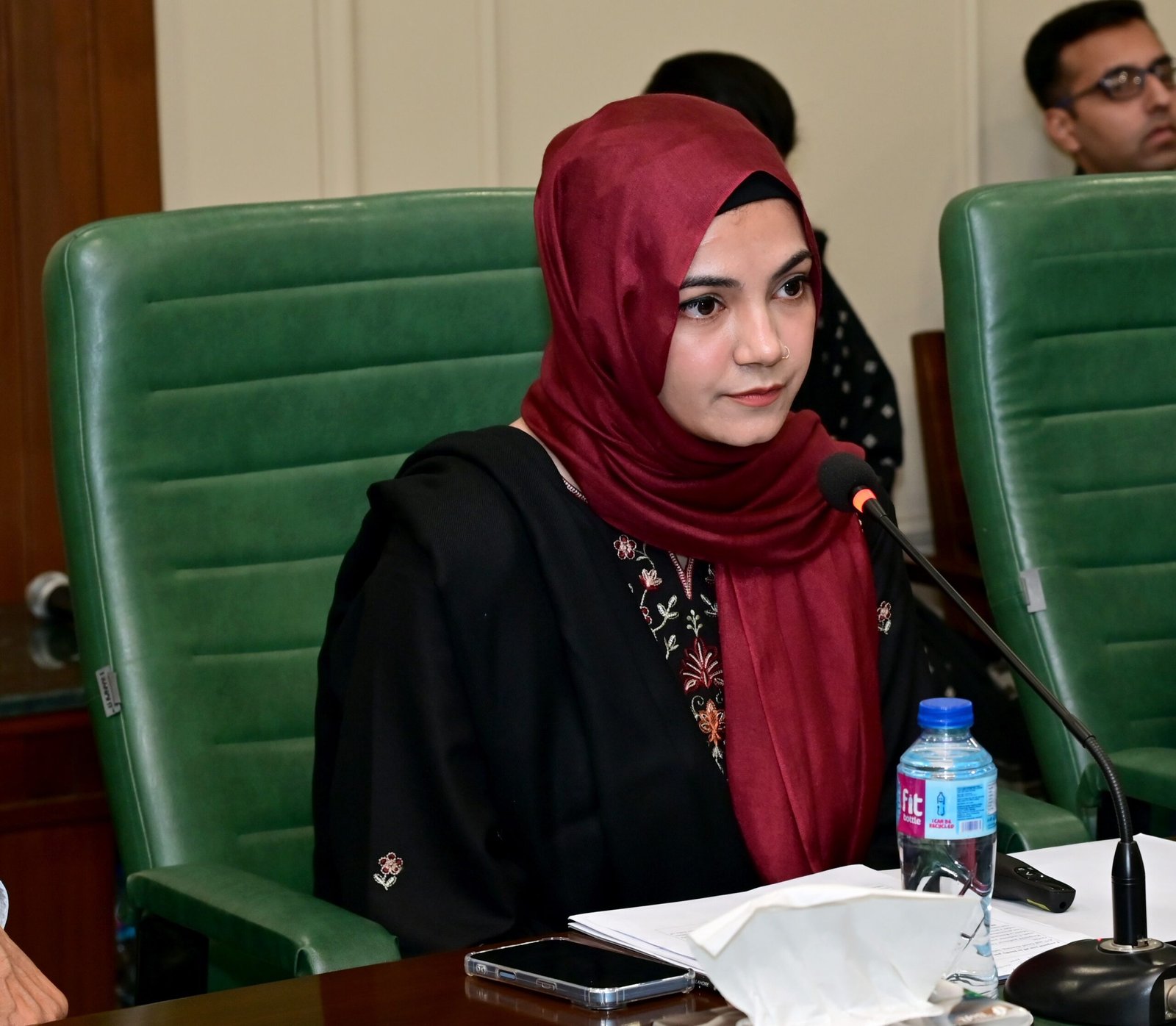
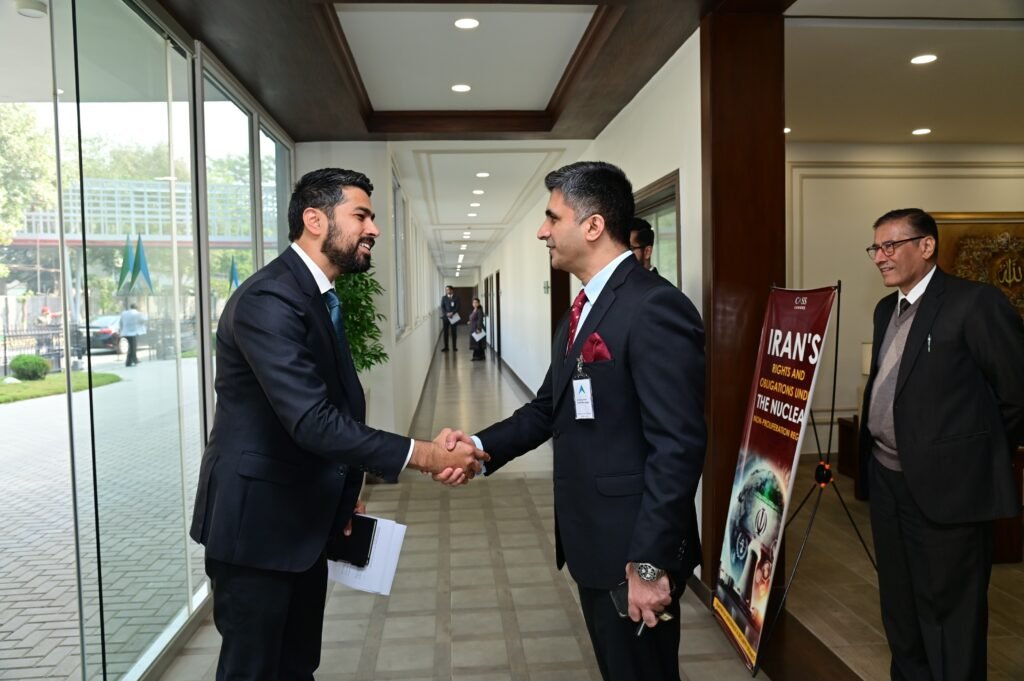
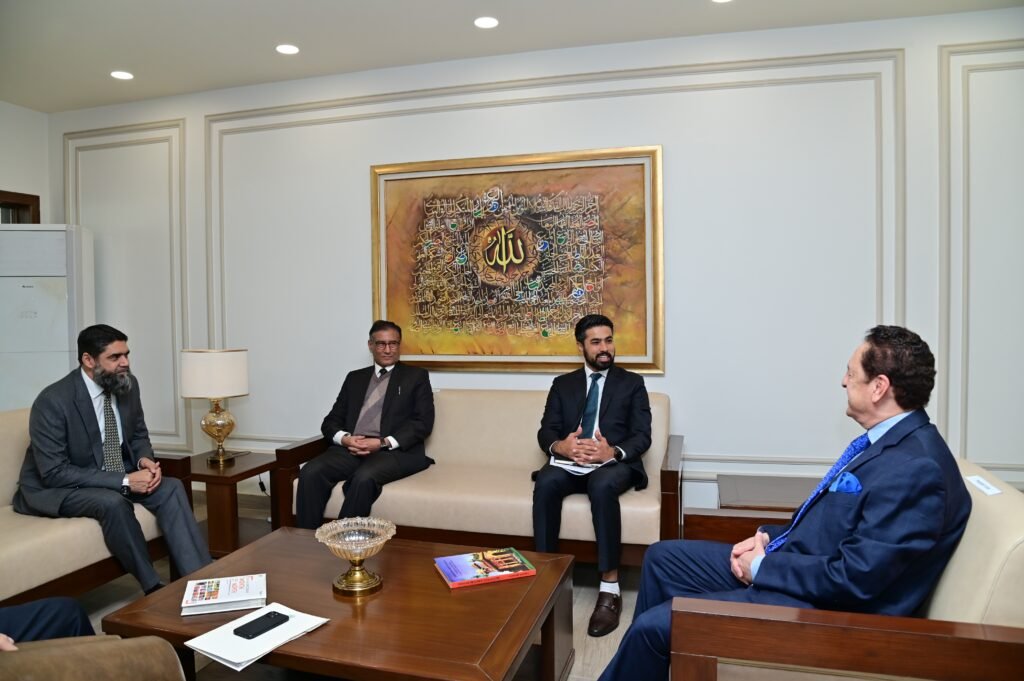
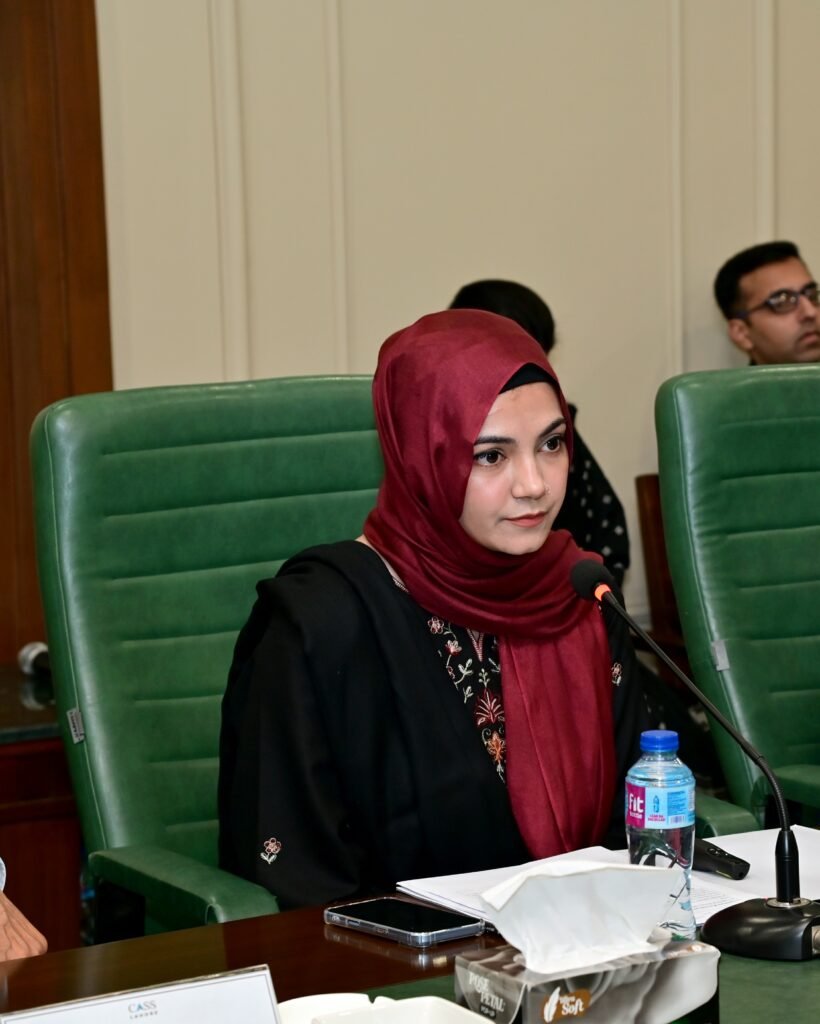
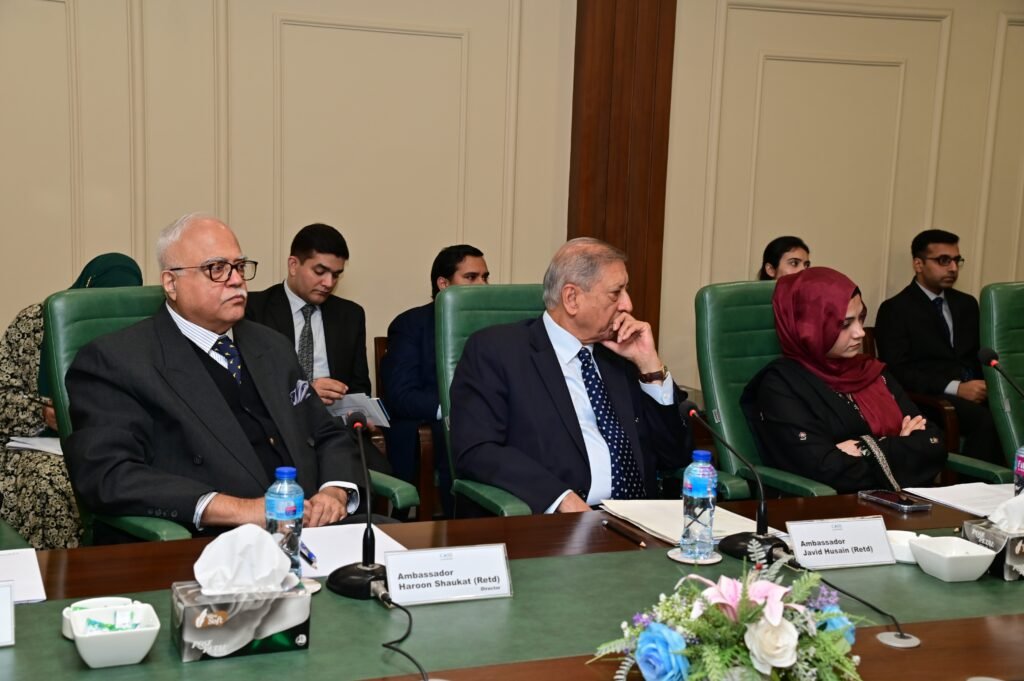
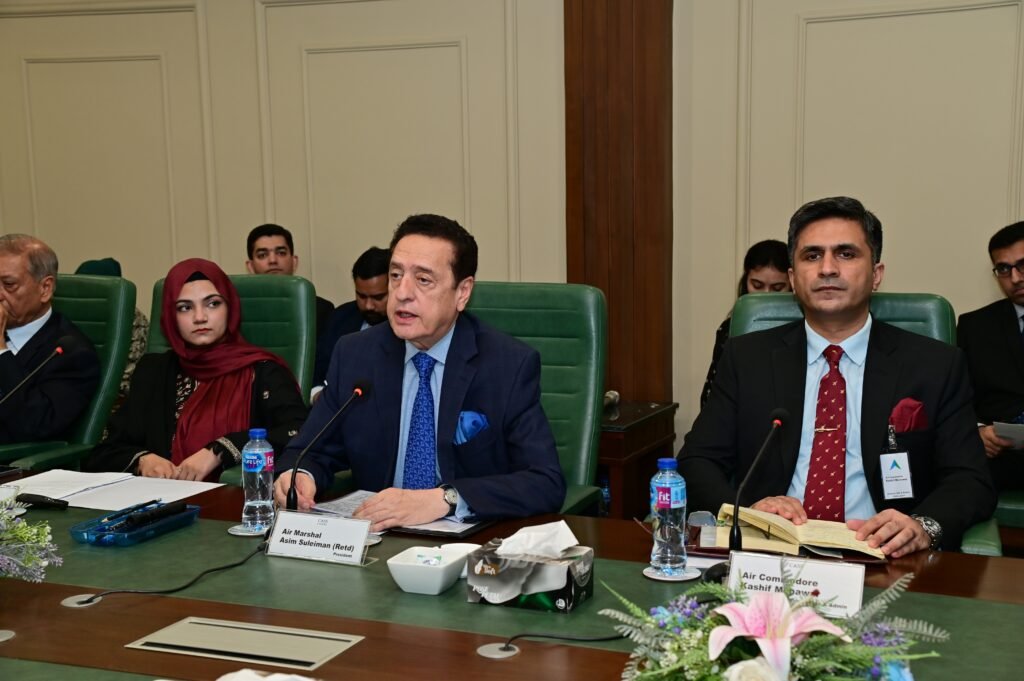
In this backdrop, the Centre for Aerospace and Security Studies (CASS), Lahore, organised a roundtable titled “Iran and Its Rights and Obligations under the Nuclear Non-Proliferation Regime.” The talk was delivered by Mr Sameer Ali Khan, a distinguished expert in nuclear policy and strategic affairs. The roundtable explored Iran’s legal entitlements, current capabilities, and the broader implications for international security and future of arms control and prospects for diplomatic re-engagement.
Key Takeaways
Ambiguity in the NPT
Article IV allows states to pursue peaceful nuclear technology but sets no explicit limits on uranium enrichment levels, creating a systemic ambiguity within the NPT framework.
Iran’s Legal Rights Under the NPT
Iran has pursued uranium enrichment in line with its inalienable right to peaceful nuclear technology under Article IV of the NPT, and has carried out these activities under IAEA safeguards.
Enforcement Paradox
The Iranian case demonstrates that adherence to the NPT does not guarantee protection from external military action, highlighting selective enforcement and systemic inconsistencies.
Trust Deficit Drives Hedging
Long-standing suspicion and credibility gaps between Iran, the IAEA, and other states have incentivised Iran to maintain declared and covert nuclear capabilities as strategic hedges.
Nuclear Latency and Compliance Dynamics
Iran’s experience highlights how states can develop advanced threshold capabilities, creating strategic leverage while remaining formally compliant with their NPT obligations.
Policy Considerations
Equitable Enforcement of Norms
States and international bodies must exercise impartiality in the enforcement of nuclear norms as per the NPT and IAEA safeguards.
Prohibition on Unilateral Strikes Against Nuclear Facilities
The international community must ensure that no state holds the unilateral right to attack nuclear installations operating under the NPT and IAEA safeguards.
Augmenting Diplomatic Engagement
The international community must encourage negotiation-based solutions, which are essential to manage nuclear thresholds and reduce the likelihood of conflict.
Protection of Legal Rights
The international community and the IAEA must ensure that Iran and other non-nuclear-weapon states under the NPT can continue to exercise their right to peaceful nuclear technology without risk of extra-legal intervention.
Addressing the Trust Deficits
The IAEA must engage Iran in a sustained dialogue to reduce suspicion, clarify intentions, and avoid the emergence of covert or parallel nuclear programmes.
Reforming the Global Non-Proliferation Regime
The international community must advocate for structural reforms in the NPT and related treaties to improve transparency in enforcement and strengthen the legitimacy of the global non-proliferation regime.
Post Event Report
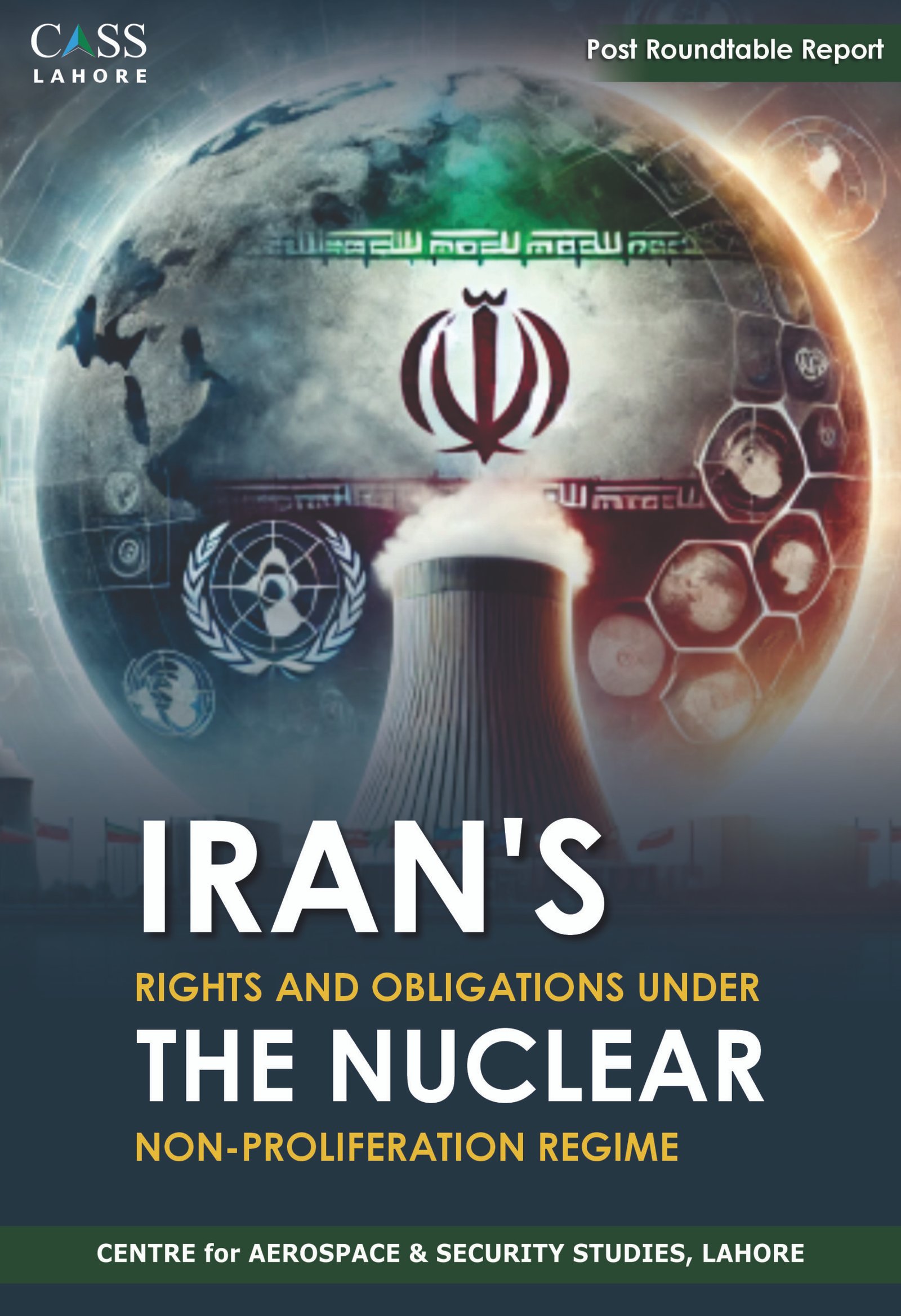
A comprehensive report capturing expert analyses, strategic insights, key recommendations, media coverage, and event highlights.
Mr Sameer Ali Khan holds a Master’s degree in Strategic and Nuclear Studies from the National Defence University, Islamabad. He is the Founder of Noobs’ Nuclear. He previously served as a Senior Research Associate at the Centre for Aerospace and Security Studies (CASS), Islamabad, and as Assistant Director (Research) at the Arms Control and Disarmament Affairs (ACDA) Branch of Pakistan’s Strategic Plans Division (SPD). Mr Khan has held visiting research fellowships at several international institutions, including the South Asia Center of the Atlantic Council, the James Martin Center for Nonproliferation Studies, the Cooperative Monitoring Center, and the Research Society for International Law. He writes regularly on nuclear issues, and is the co-author of the book Indian Unsafeguarded Nuclear Program: An Assessment, which highlights the scope of India’s military nuclear potential.
The Centre for Aerospace & Security Studies (CASS) was established in July 2021 to inform policymakers and the public about issues related to aerospace and security from an independent, non-partisan and future-centric analytical lens.