


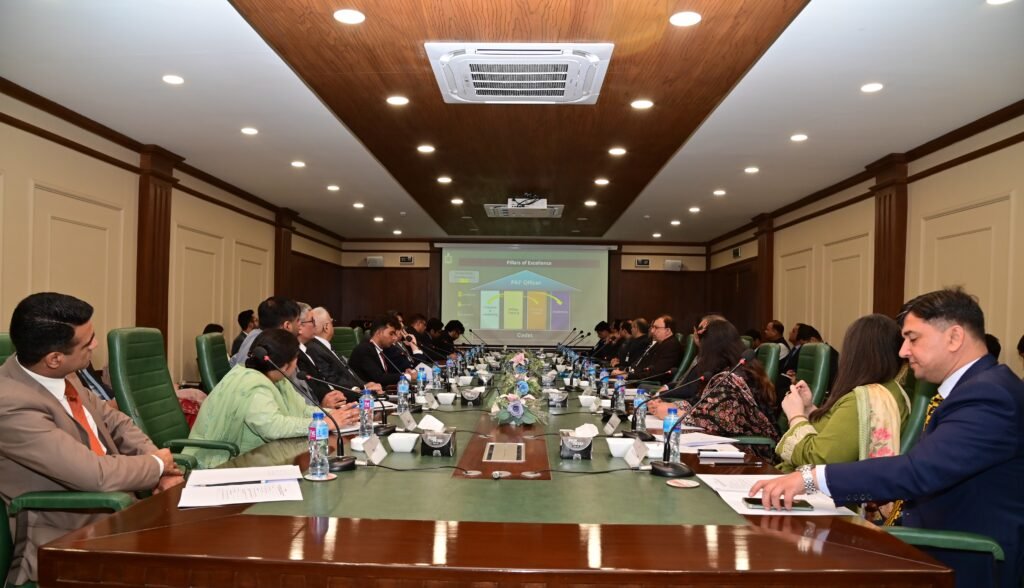
Roundtable Conference
Character Building as the Bedrock of Pakistan Air Force’s Leadership
October 9, 2025
The event examined how character building serves as the foundation of Pakistan Air Force leadership, highlighting Project Phoenix and the Jinnah Centre for Character and Leadership as pillars of its ethical and professional transformation.
About The Event
The pursuit of airpower supremacy has long been defined by technological advancement and numerical capability. Yet, history demonstrates that true dominance in the air domain derives not from technological systems alone, but from the qualitative superiority of the individuals who command them. This fundamental truth, that character forms the essential foundation of effective airpower, remains as relevant today in an era of fifth-generation warfare as it was in the earliest days of military aviation.
The unique demands of air combat create an environment where individual decision-making carries immediate and strategic consequences. Unlike other domains where decisions may be deliberated collectively, the air warrior operates in a realm where split-second moral choices determine outcomes of national significance. This reality necessitates a leadership paradigm that integrates technical mastery with unwavering ethical foundations, where courage is matched by judgment and skill is guided by integrity.
For the Pakistan Air Force, this understanding has evolved into a deliberate institutional philosophy. The service’s operational legacy, built across multiple conflicts, demonstrates a consistent pattern where success has been achieved not through numerical advantage but through superior leaders’ performance. This performance is cultivated through systematic attention to character development, forging leaders who embody the warrior ethos while maintaining the moral compass required for modern conflict.
In contemporary battlespaces, where technological parity increasingly neutralises hardware advantages, the character of air warriors emerges as the decisive differentiator. The resilience to maintain combat effectiveness under extreme pressure, the moral courage to make ethically sound decisions in microseconds, and the intellectual agility to outthink adversaries in complex multi-domain environments, these qualities constitute the ultimate combat multiplier.
This event examined how character building serves as the bedrock of Pakistan Air Force leadership. It explored the institutional frameworks and developmental philosophies that transform adroit and skilled pilots into leaders of character, ensuring that technological capabilities are amplified by individual excellence rather than limited by its absence. In doing so, it addressed the central challenge of modern air warfare: cultivating the human qualities that enable an air force to achieve true operational supremacy.
Key Takeaways
- Character as the Cornerstone of Pakistan Air Force Leadership Ethos
Character forms the indispensable bedrock of the PAF’s strength. It is through integrity, discipline, professional competence, resilience, and commitment to knowledge that the true value of the PAF’s technical prowess and operational effectiveness is realised.
- Project Phoenix: Institutionalising Excellence from a Position of Strength
The PAF’s Project Phoenix is not a reform born from crisis or failure. Instead, it is a deliberate, visionary choice to “reach for the gold”, evolve continuously, and strive for higher standards, embodying the spirit of its official slogan, “Hum Taba Abad Sayyo Taghayyur Ke Wali Hain” (We are the custodians of change from a settled state).
- The Jinnah Centre for Character and Leadership: Sustaining Change through Structure
The Jinnah Centre for Character and Leadership stands as the institutional heart of the PAF’s transformation. By embedding leadership and character development within a dedicated structure, it ensures that this evolution remains systematic, enduring, and insulated from changes in command.
- A Structured, Multi-Domain Framework for Leader Development
The PAF has adopted a multi-domain development framework focused on Physical, Cognitive and Moral domains. This is implemented through the Pitot Model, which moves from personal discipline to teamwork and then to organisational contribution. The framework is further defined by core attributes, including Integrity, Warrior Ethos, Mental Agility, and Social Intelligence, which are essential for navigating complex and high-pressure environments.
- Empirical Evidence of Success in Training and Competitions
Tangible results, from improved teamwork and discipline in inter-academy competitions to cognitive excellence at national forums, highlight the impact of Project Phoenix. These outcomes indicate that the initiative is achieving measurable success in aligning moral and intellectual growth within the training process.
- Contrast in Ethos
The contrast between the Pakistan Air Force and the Indian Air Force underscores the importance of sustaining institutional integrity. While the Pakistan Air Force has maintained its professional and ethical ethos, the Indian Air Force has suffered from institutional decay characterised by politicisation and false claims, as was evident during the May 2025 war.
- Sustaining Transformation through Mid-Career Leadership
Cultural transformation is being driven significantly through the empowerment of mid-career officers. Air Chief Marshal Zaheer Ahmed Baber Sidhu deliberately selected two relatively junior academy officers to lead Project Phoenix. These mid-career professionals act as the crucial bridge between senior leadership and junior cadets, making them the key agents for embedding and sustaining new values into the operational fabric of the organisation.
- Strategic Adaptation to Generational Shifts in Mindset
The PAF is consciously adapting to generational shifts, recognising the distinct learning styles and motivations of Gen Z and Alpha. By involving younger personnel as active contributors and valuing their technological fluency, the service ensures its continued relevance and effectiveness to inspire and retain the next generation of Air Force personnel.
Policy Considerations
- Institutionalise Character as a Strategic Capability
The PAF should integrate character and leadership development as a structured pillar of national defence, not a peripheral training exercise. This approach would embed moral strength into institutional design, ensuring that “leaders of character and competence” remain the foundation of air power.
- Building a Self-Sustaining Ecosystem for Leadership Development
To ensure a lasting impact, the PAF should formalise its leadership development, mentoring, and assessment frameworks through enduring institutional mechanisms such as trainer-of-trainer models, integrated feedback systems, and cross-generational mentoring. By doing so, Project Phoenix will mature into a self-sustaining ecosystem that preserves excellence beyond leadership transitions.
- Advance a ‘Whole-Person’ Development Doctrine
The PAF should formally adopt a tri-domain model, Physical, Cognitive, and Moral, as the foundational framework for all leadership, command, and training curricula. Investing equally in these domains ensures resilience under pressure and intellectual agility, translating into enhanced decision-making in high-stakes environments.
- Activate Institutional Memory as a Living Resource
To preserve and share its rich legacy, the PAF should systemise its documentation and dissemination efforts through a curated digital archive, oral histories, veteran engagements, and case studies. Embedding these narratives in the Jinnah Centre for Character and Leadership would convert institutional memory into a pedagogical tool, shaping ethos through authentic stories of courage, humility, and service.
- Strategically Engage the Next Generation
To remain relevant and inspirational for Gen Z and Alpha officers, the PAF must evolve its training pedagogy, communication methods, and leadership models. Emphasising purpose-driven service, technological innovation, and flexible learning pathways will align institutional values with generational motivations. This will not only strengthen recruitment and retention but also ensure that the custodians of tomorrow’s air power inherit and reinterpret PAF’s ethos in a changing operational landscape.
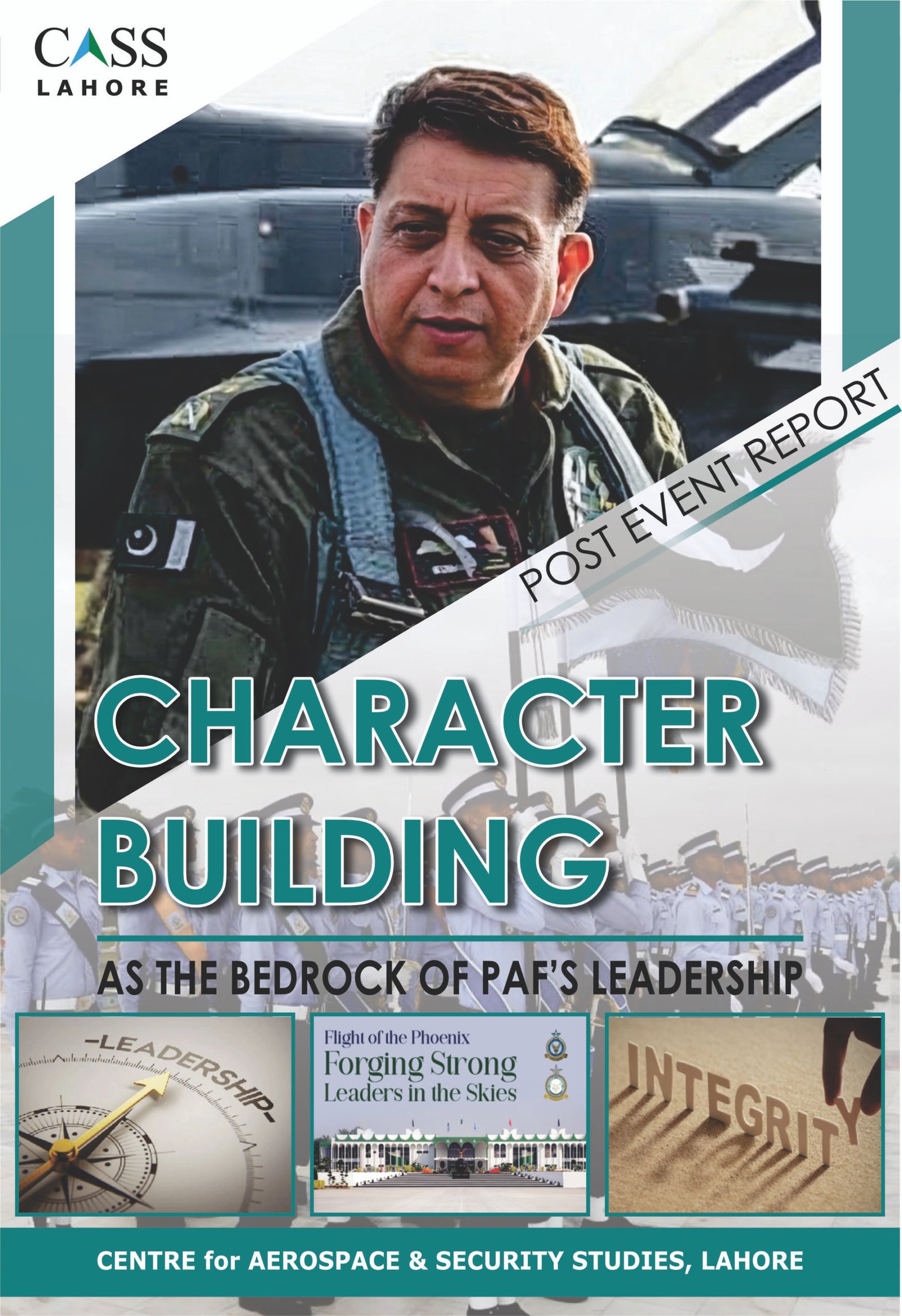

Post Event Report
A comprehensive report capturing expert analyses, strategic insights, key recommendations, media coverage, and event highlights.
Guest Speakers
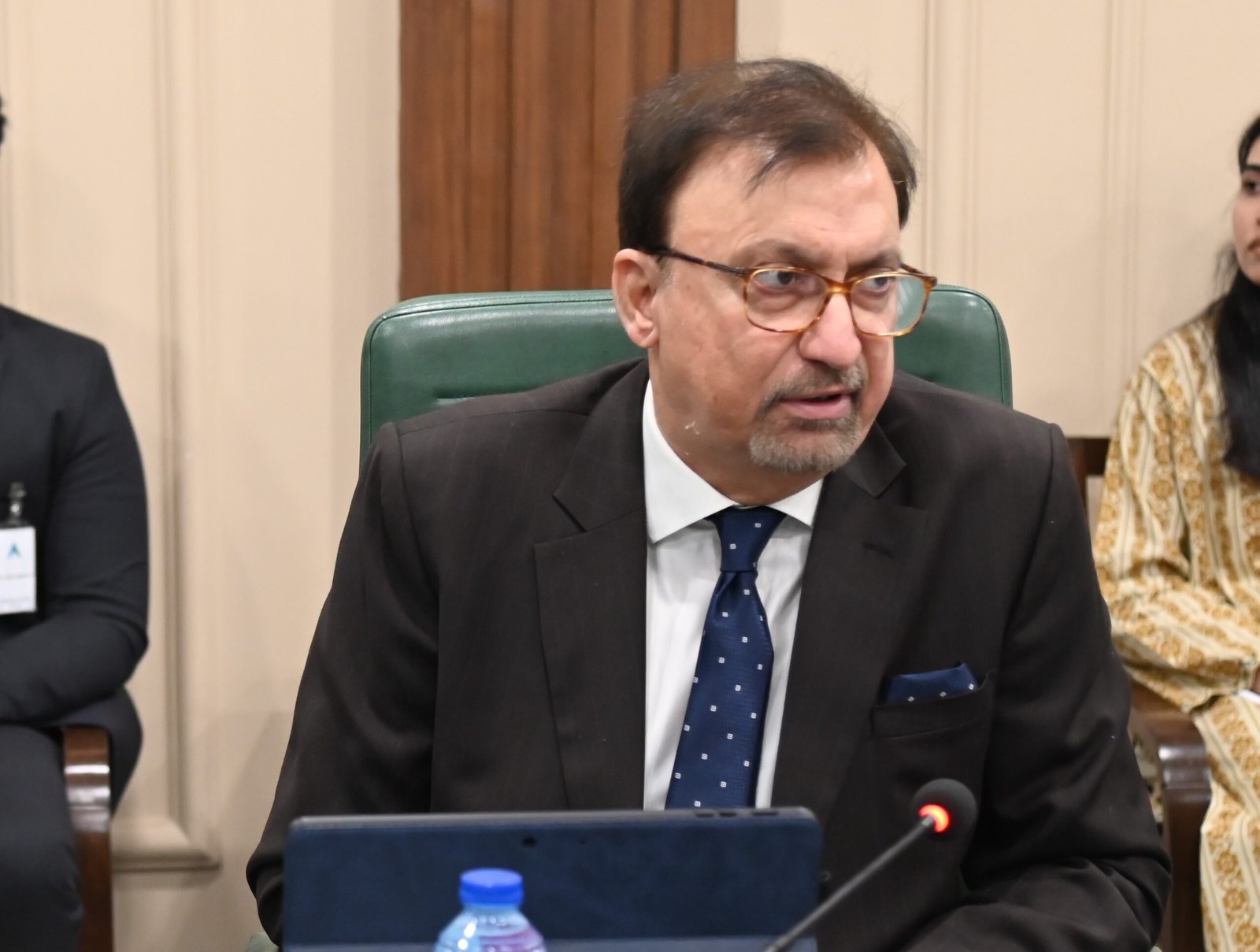
Air Cdre Khalid Banuri (Retd)
Senior Advisor Training Project Phoenix, AHQ
Air Cdre Khalid Banuri (Retd) currently serves as a Senior Advisor for Project Phoenix at Air Headquarters. He holds a Master’s in Defence and Strategic Studies from Quaid-i-Azam University and a Master’s in Defence Studies from King’s College London. He is also an alumnus of the UK’s Joint Services Command and Staff College.
During his distinguished career, Air Cdre Khalid Banuri (Retd) has held key leadership positions, including Director General of Arms Control and Disarmament Affairs and Advisor on Arms Control and Diplomacy at the Strategic Plans Division. He has contributed to oversight bodies such as the Oversight Board for Strategic Trade Controls and served as Senior Directing Staff and Tutorial Director at the PAF Air War College.
He has been decorated with the Sitara-e-Imtiaz (Military) for his service in the PAF, along with a Sitara-e-Imtiaz for his contributions to policy analysis.

Event Chair
Air Marshal Asim Suleiman (Retd)
President, CASS Lahore
Event Coordinator
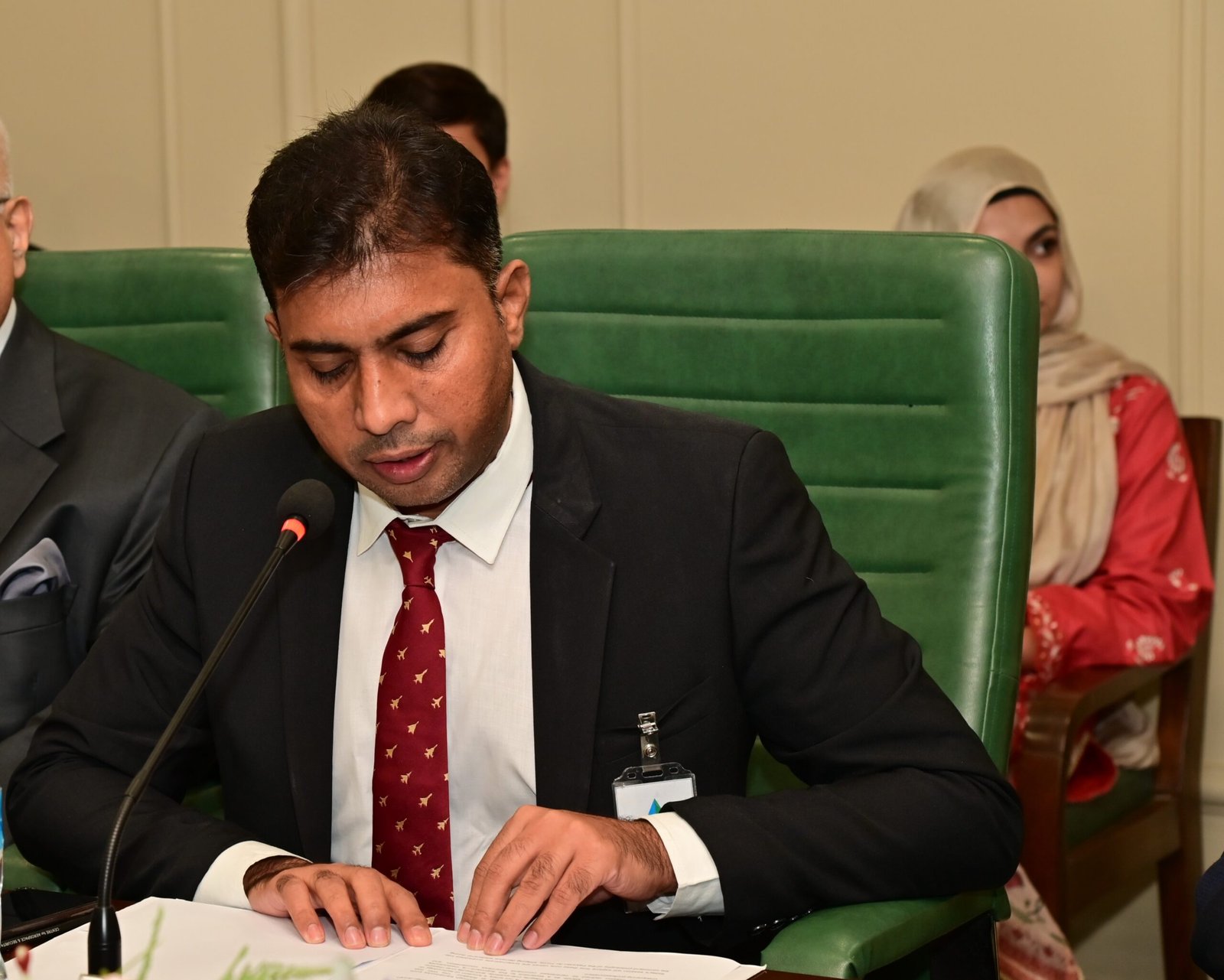
Dr Zahid Khan
Associate Senior Researcher, CASS Lahore
Master of The Ceremony
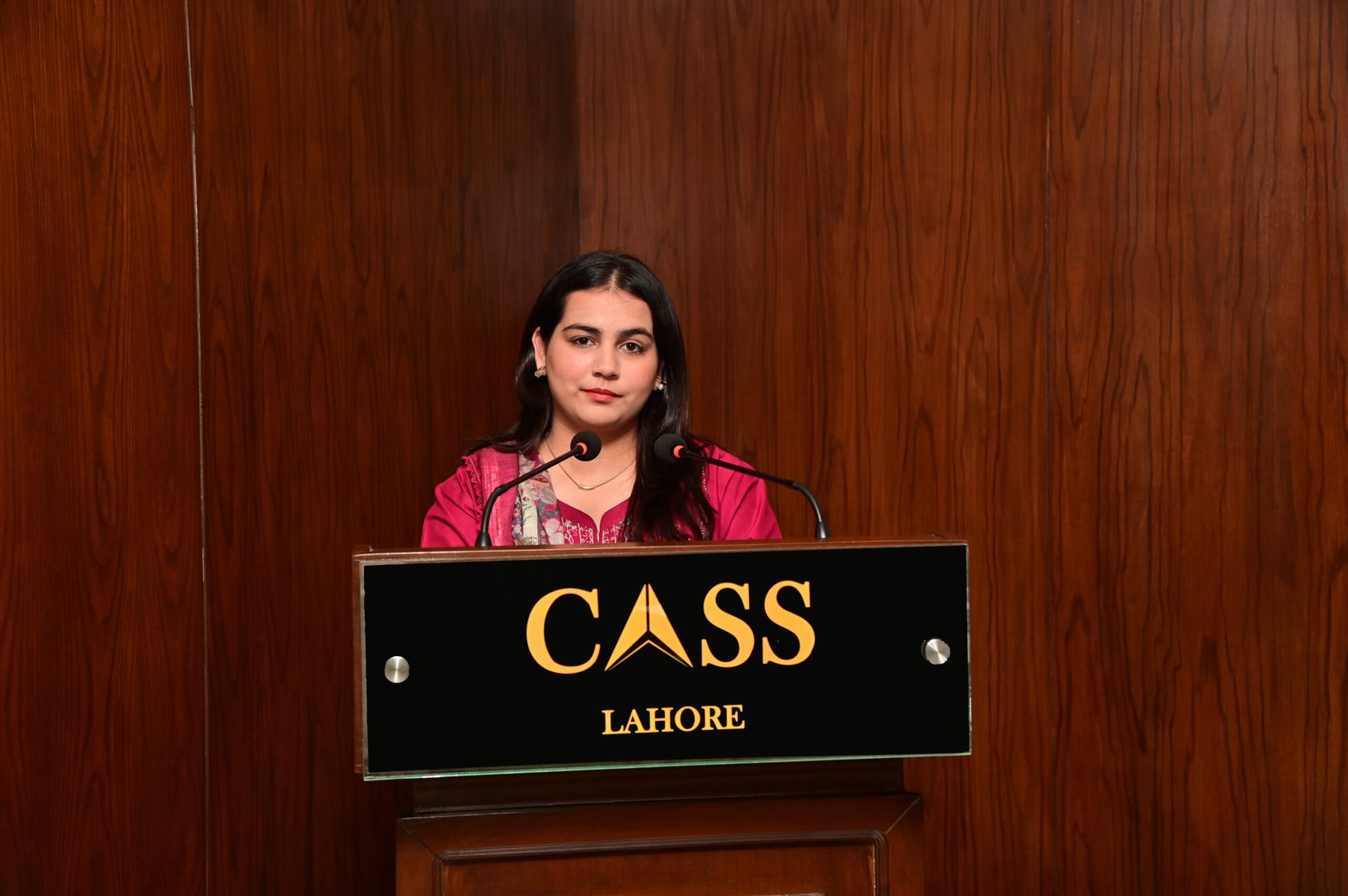
Sibra Waseem
Research Assistant, CASS Lahore
CASS LAhore

The Centre for Aerospace & Security Studies (CASS) was established in July 2021 to inform policymakers and the public about issues related to aerospace and security from an independent, non-partisan and future-centric analytical lens.
CASS Newsletter

@2025 – All Right Reserved with CASS Lahore.

- Home
- About Us
- Research Domains
- Publications
- Events
- Gallery
- Contact Us
@2021 - All Right Reserved. Designed and Developed by PenciDesign