


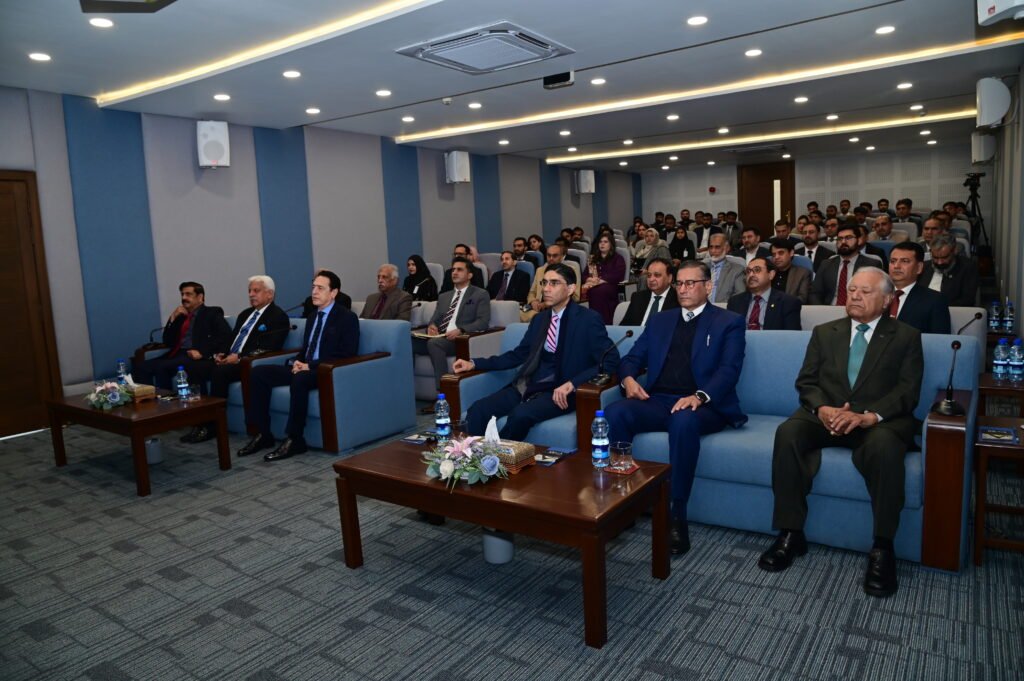
Guest Lecture
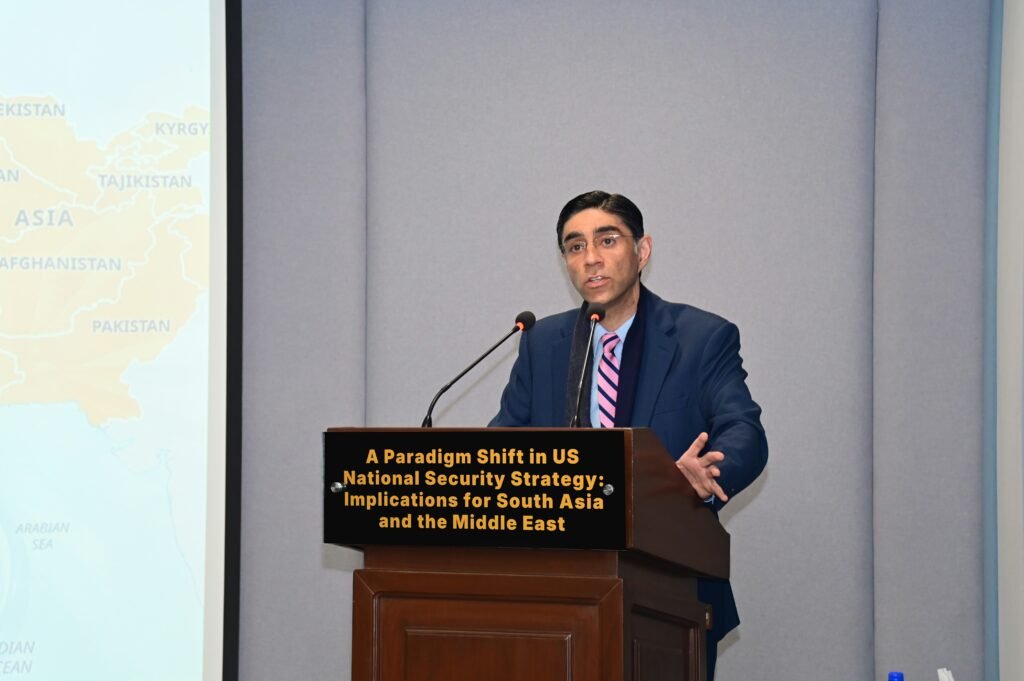
A Paradigm Shift in US National Security Strategy: Implications for South Asia and the Middle East
January 22, 2026
The guest lecture examined the 2025 US National Security Strategy, highlighting a shift towards selective engagement and economic protectionism with implications for South Asia and the Middle East.
About The Event
The 2025 US National Security Strategy (NSS) reflects a major ideological shift in US foreign policy under the present Trump administration, anchored in the concept of “America First.” Signalling a return to pragmatic realism, the NSS reasserts the Monroe Doctrine to restore American preeminence in the Western Hemisphere, including through an expanded military presence. The Strategy prioritises core US interests such as border security, supply chain stability, and the maintenance of technological and defence superiority.
Notably, the NSS appears to move away from efforts to shape the global order or actively promote Western values. Instead, it emphasises commercial diplomacy alongside policies of burden-sharing and burden-shifting. It also reflects a significant recalibration away from the sharp US focus on the Indo-Pacific that characterised the early 2020s.
China is framed primarily as an economic and strategic competitor rather than an ideological adversary. In managing relations with Beijing, the Strategy prioritises “de-risking” over “decoupling,” signalling a preference for selective engagement rather than comprehensive economic separation.
The long-standing strategic partnership between the US and India, developed over two decades, is likely to encounter headwinds under this framework. The focus is expected to shift towards enhancing commercial ties with India. Consequently, the relationship may become more transactional, with a probable dilution of defence cooperation. While India will remain an important partner, it is likely to receive less strategic attention than under previous US administrations.
Middle Eastern states are likely to view this strategy with a degree of unease and a sense of reduced priority. Gulf states, particularly Saudi Arabia and the UAE, may therefore deepen their hedging strategies. This evolving environment presents opportunities for Pakistan to leverage its role as a security provider while expanding its footprint as an economic and technology partner.
With an all-weather strategic partnership with China and improving relations with the United States, the emerging geopolitical dynamics point towards a period of enhanced national strength and growing regional relevance for Pakistan.
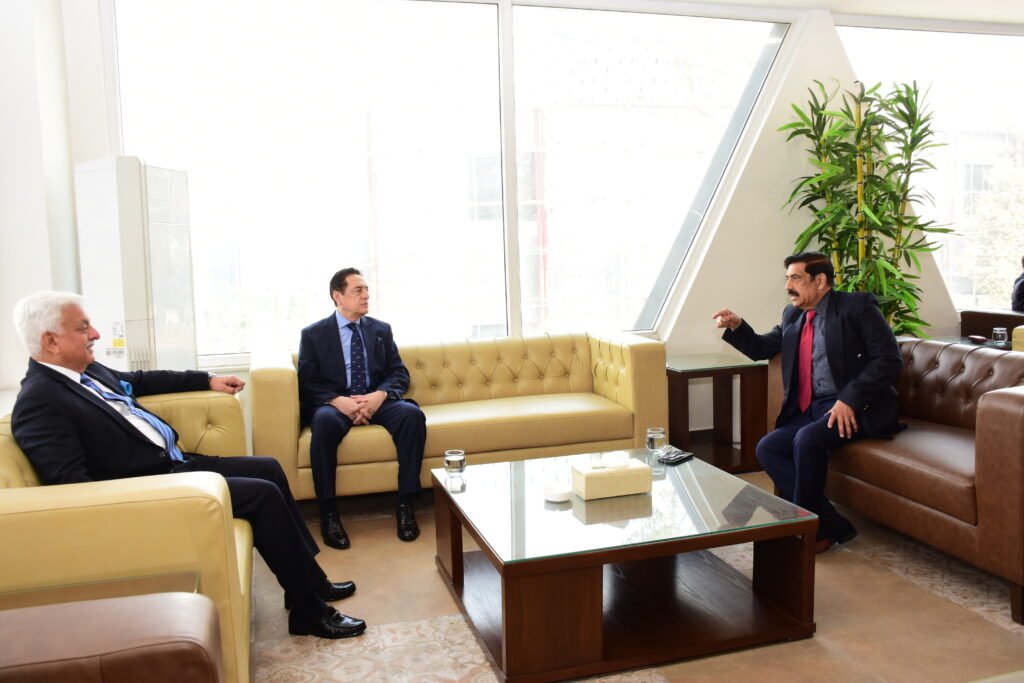
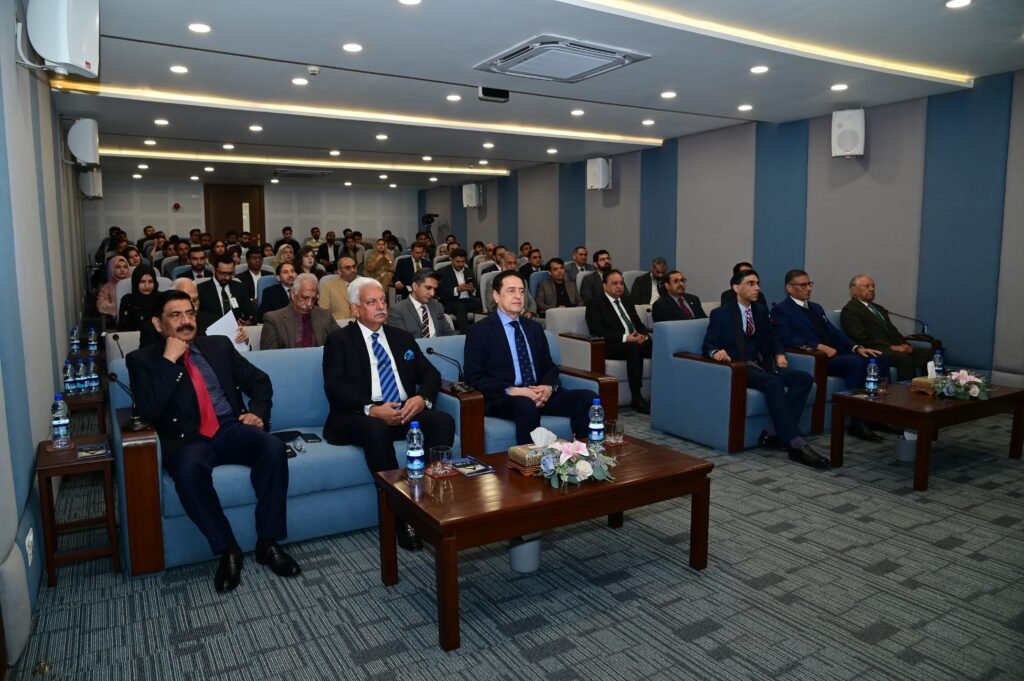
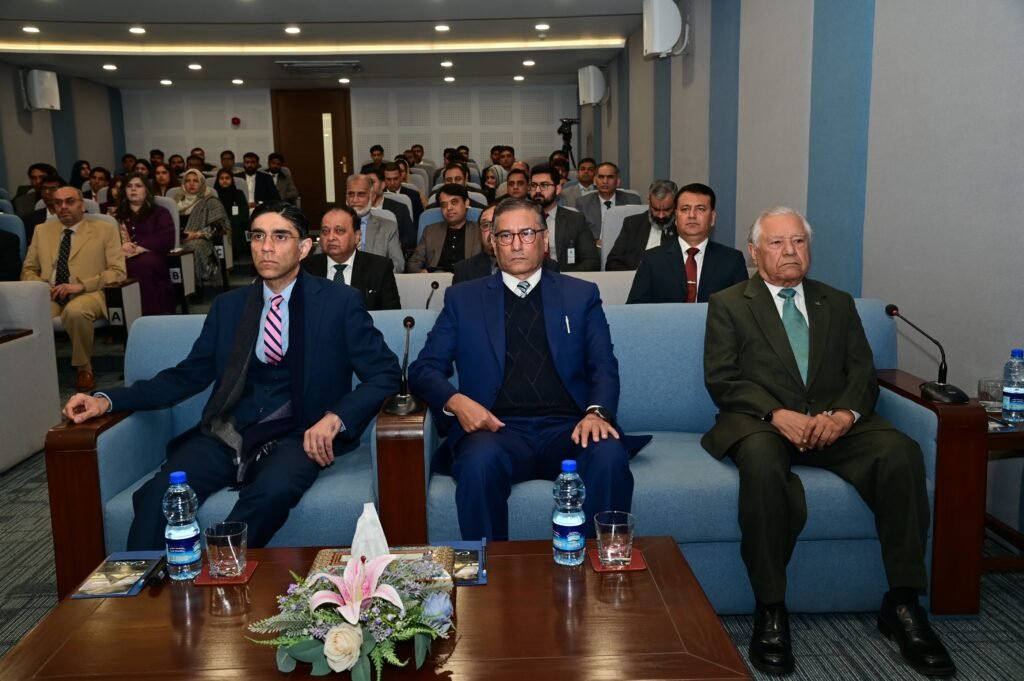
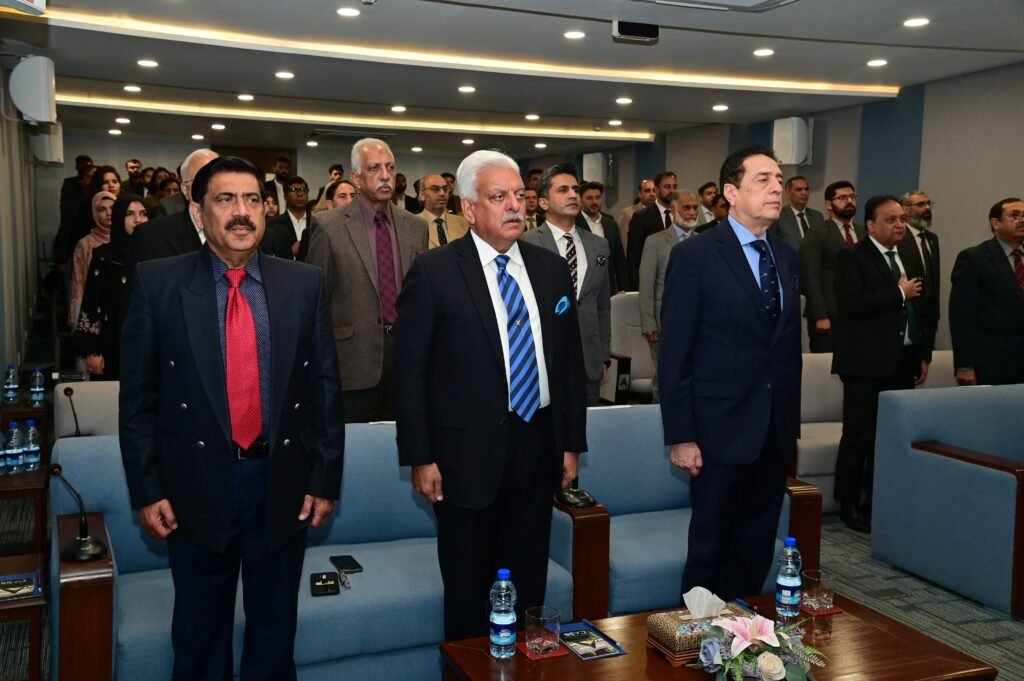
The guest lecture titled “A Paradigm Shift in US National Security Strategy: Implications for South Asia and the Middle East”, held on January 22, 2026, closely examined the fundamental shifts in the US foreign policy resulting from the 2025 NSS and implications for different regions and the likely options for Pakistan.
Key Takeaways
- President Trump’s World View: A Rupture in Global Order
The 2025 US National Security Strategy (NSS) articulates President Trump’s worldview. It represents the upending of America’s traditional role as a guarantor of the liberal international order, the Western Alliance system, and a retreat from free international trade.
- Western Hemisphere: A Top Priority
The Western Hemisphere emerges as the US’s top priority, aimed at asserting its dominance and excluding external powers, particularly China. The US is reverting to the “sphere of influence” logic.
- China and Russia Competitors, not Adversaries
The NSS frames China and Russia as long-term competitors and not as adversaries per se. This has increased anxiety among allied and partner states in the Asia Pacific.
- Indo-Pacific and South Asia: Diminished importance
Indo-Pacific loses its earlier primary importance, while South Asia receives limited salience. Though not prominent in the strategy, Pakistan’s international standing has greatly improved due to the remarkable success of Marka e Haq.
- Middle East: Not a Core Priority
The Middle East is no longer among the US’s core strategic priorities, causing unease among the Arab states. SMDA is a manifestation of the quest for security from alternative sources.
- Tariffs as a Tool of Coercion and Influence
The US now prioritises the use of tariffs, selective economic engagement, and supply-chain controls as tools to influence trade, protect domestic industries, and enhance revenues.
- The Developing and Emerging Economies: The Worst Sufferers
The worst affected by the shift in the US policy are emerging and developing economies that benefited from globalisation and are well integrated into global markets and value chains.
- Emergence of Middle Powers and Issue-based Cooperation
Middle powers are emerging as key actors, defending multilateralism while pursuing regional influence through issue-based cooperation.
Policy Considerations
- Follow No Camp Politics
Pakistan must adopt a no-camp policy, engaging simultaneously with China, the United States, and key middle powers to preserve strategic autonomy.
- Become Regional Connectivity Hub
Pakistan should endeavour to become a regional connectivity hub by enhancing its regional relevance and creating economic interdependencies.
- Transition to Geoeconomics
Pakistan’s geographic location, at the crossroads of the Asia-Pacific, the Middle East, Central Asia, and South Asia, offers a strategic opportunity. Pakistan must transition away from an assistance-based model to geoeconomics.
- Issue-based Middle Power Partnerships
Pakistan’s external engagements must move towards flexible, issue-based partnerships with middle powers, allowing cooperation to vary across sectors rather than relying on fixed blocs.
- Engagement with the Middle East
Pakistan, as an emerging middle power, should not treat the region of the Middle East as a cohesive bloc. Instead, it should engage with each state bilaterally, while avoiding entanglement in their rivalries. Pakistan can position itself as a credible security and economic partner.
- Countering Hostile Perceptions Built by India
Pakistan needs to question entrenched assumptions about relations with neighbours, especially India, and explore unconventional, low-cost, narrative-shaping options to negate hostile perceptions built by India.
- Focus on Internal Strength and Stability
Pakistan’s long-term success depends more on internal strength than on external factors. Addressing economic fragility, political polarisation, and misgovernance through genuine reforms is essential for sustainable progress.
- Need for Strategic Realism in a Fragmented World
Adopting strategic realism, Pakistan should carefully recalibrate its foreign policy and encourage proactive engagement to safeguard Pakistan’s interests in an increasingly fragmented and competitive international system.

Post Event Report
A comprehensive report capturing expert analyses, strategic insights, key recommendations, media coverage, and event highlights.
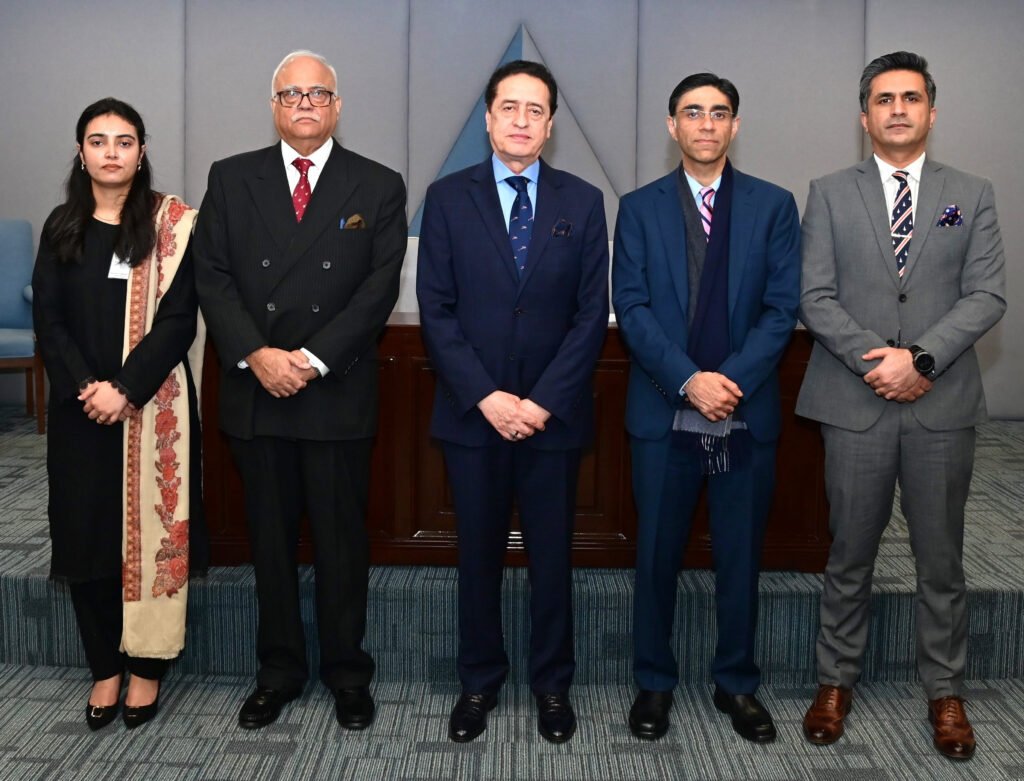
Guest Speakers
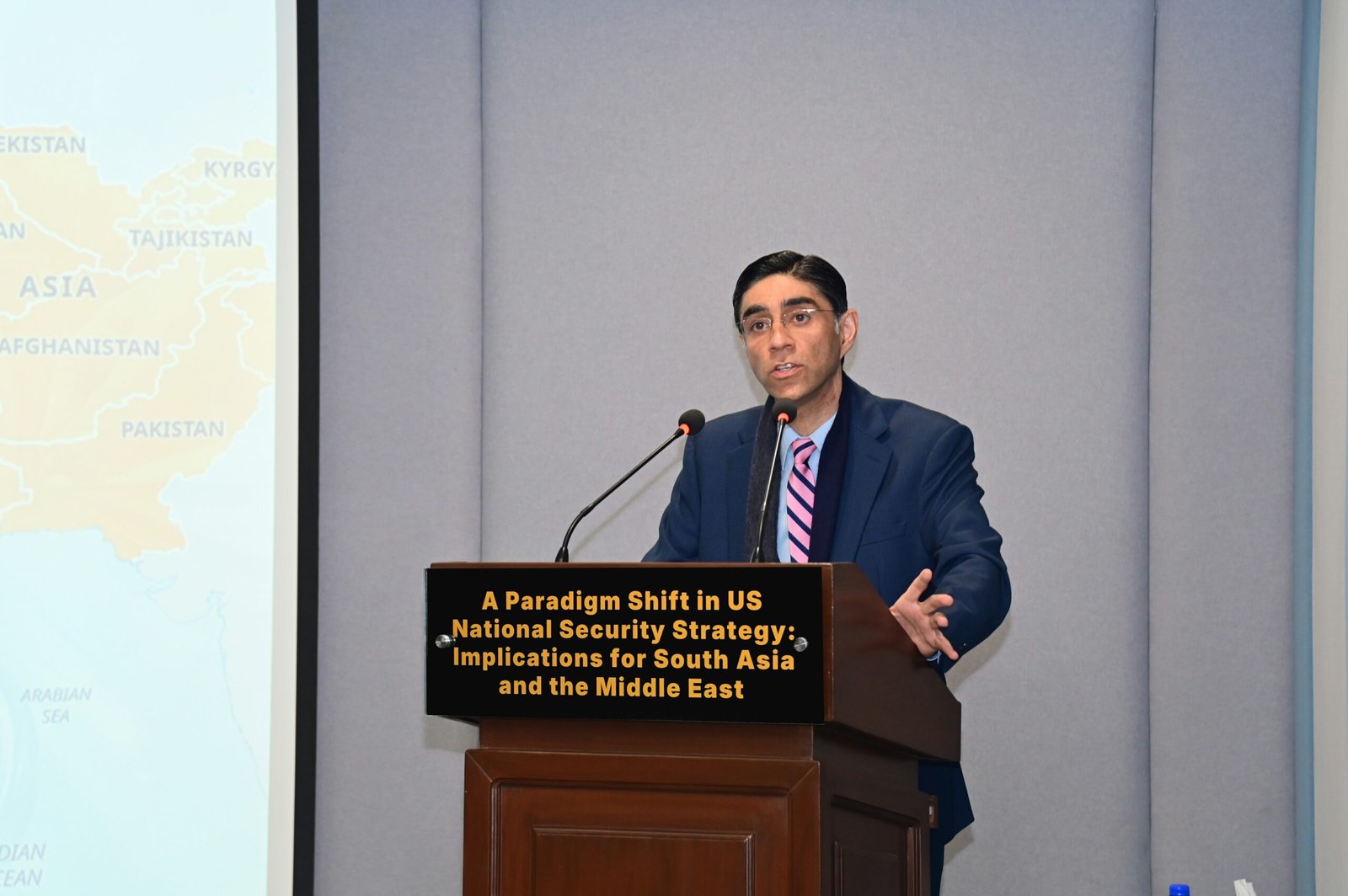
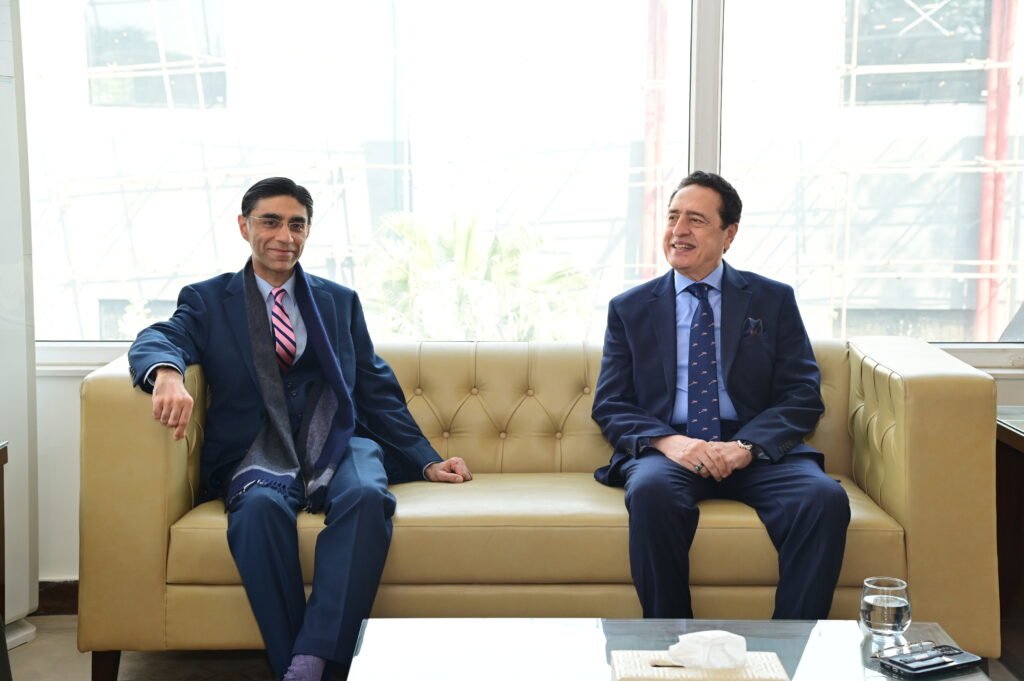
Dr Moeed W. Yusuf
Vice Chancellor, Beaconhouse National University, Lahore
Dr Moeed Yusuf currently serves as the Vice Chancellor of Beaconhouse National University (BNU). He is also a Senior Fellow at Harvard Kennedy School’s Belfer Centre for Science and International Affairs. He holds a Master’s degree in International Relations and a PhD in Political Science from Boston University. Dr Moeed Yusuf served as Pakistan’s National Security Adviser and led the process of formulating the country’s first-ever National Security Policy. Previously, he served as Special Assistant to the Prime Minister on National Security and Strategic Policy Planning and also led the Strategic Policy Planning Cell. He was also a Fellow at Boston University’s Pardee School and served as Associate Vice President of the Asia Centre at the United States Institute of Peace. He has taught Political Science and International Relations at Boston University and George Washington University in the US, and at LUMS and Quaid-e-Azam University in Pakistan.
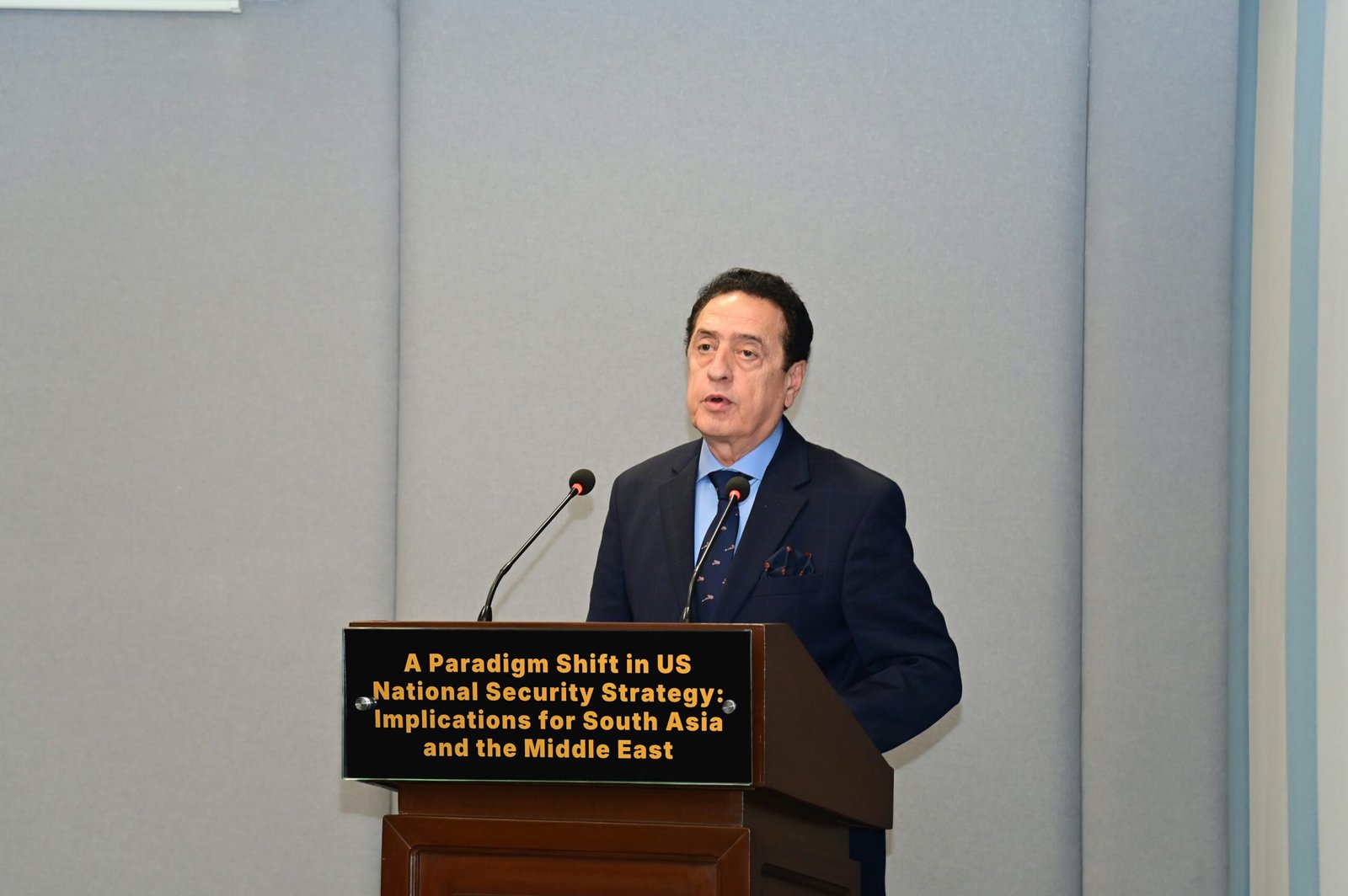
Event Chair
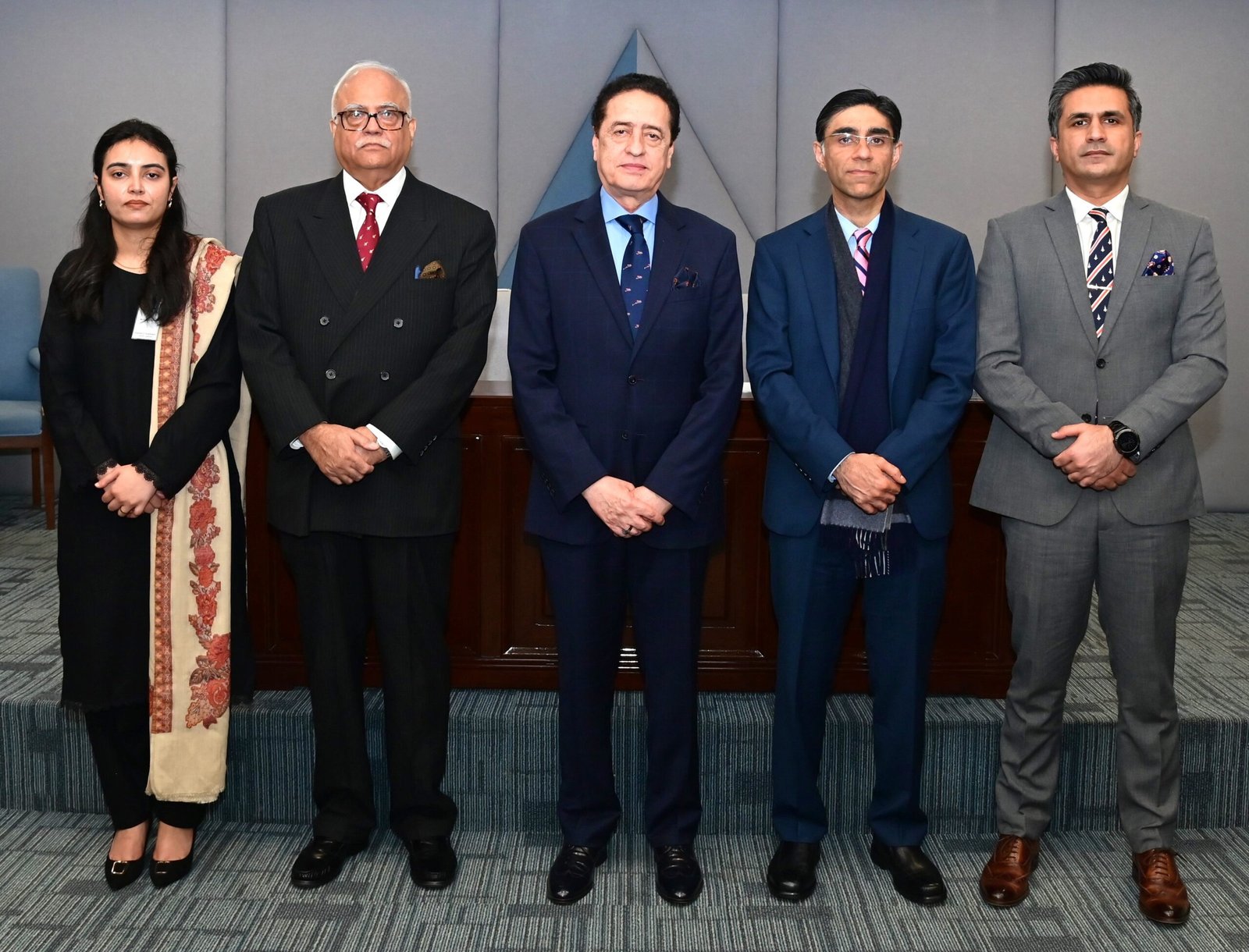
Air Marshal Asim Suleiman (Retd)
President, CASS Lahore
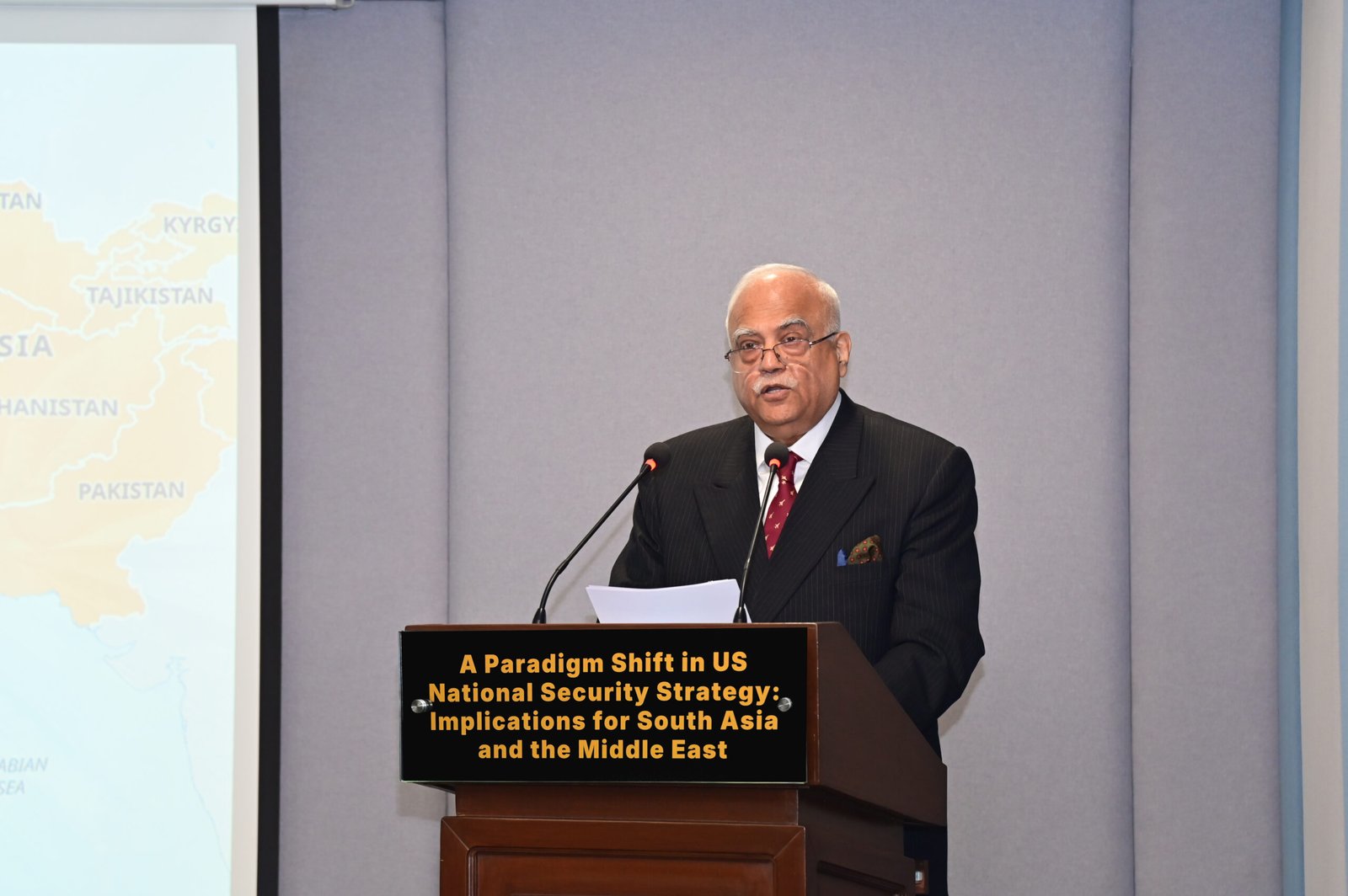
Event Coordinator
Ambassador M Haroon Shaukat (Retd)
Director Foreign Affairs, CASS Lahore
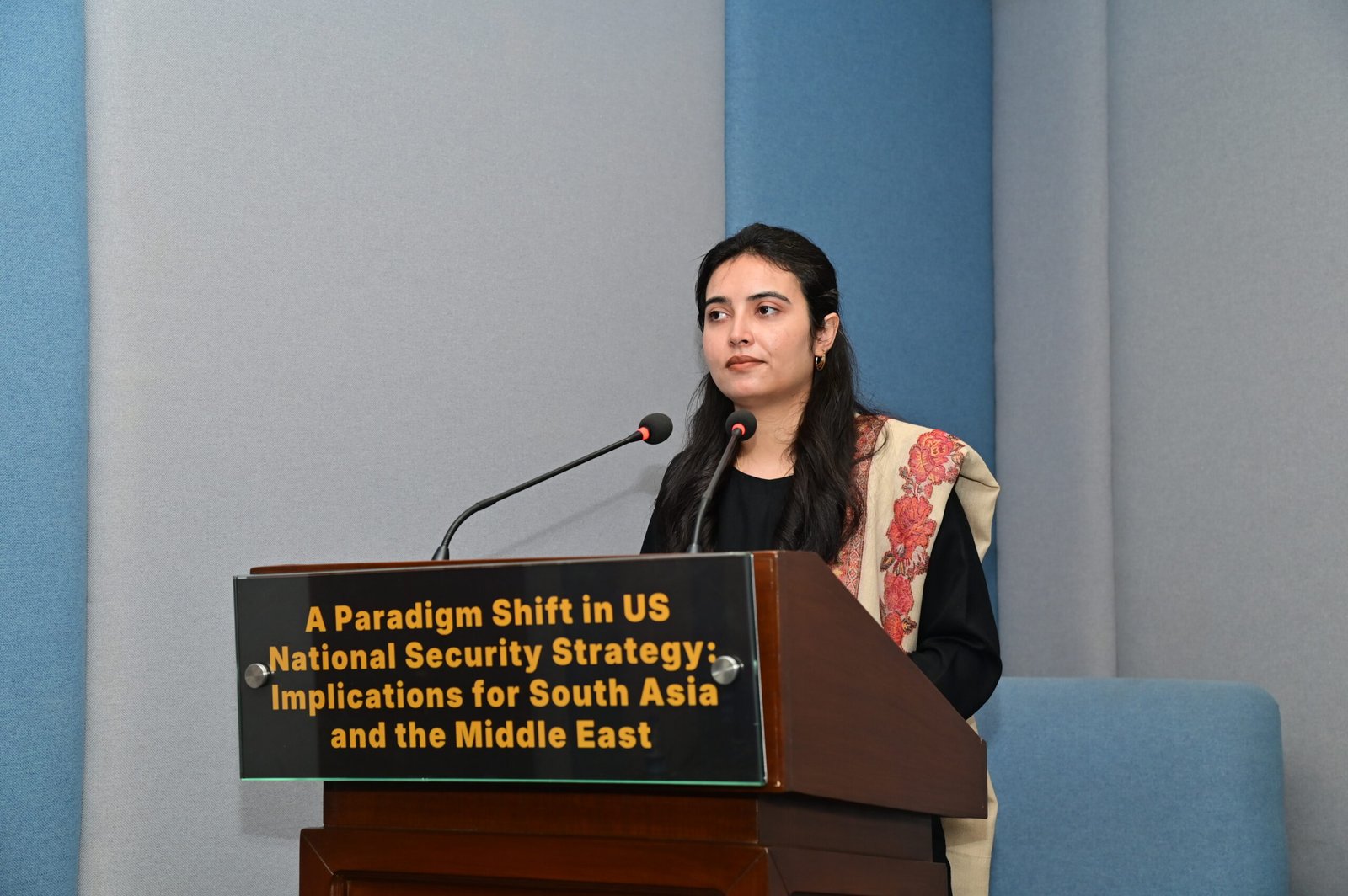
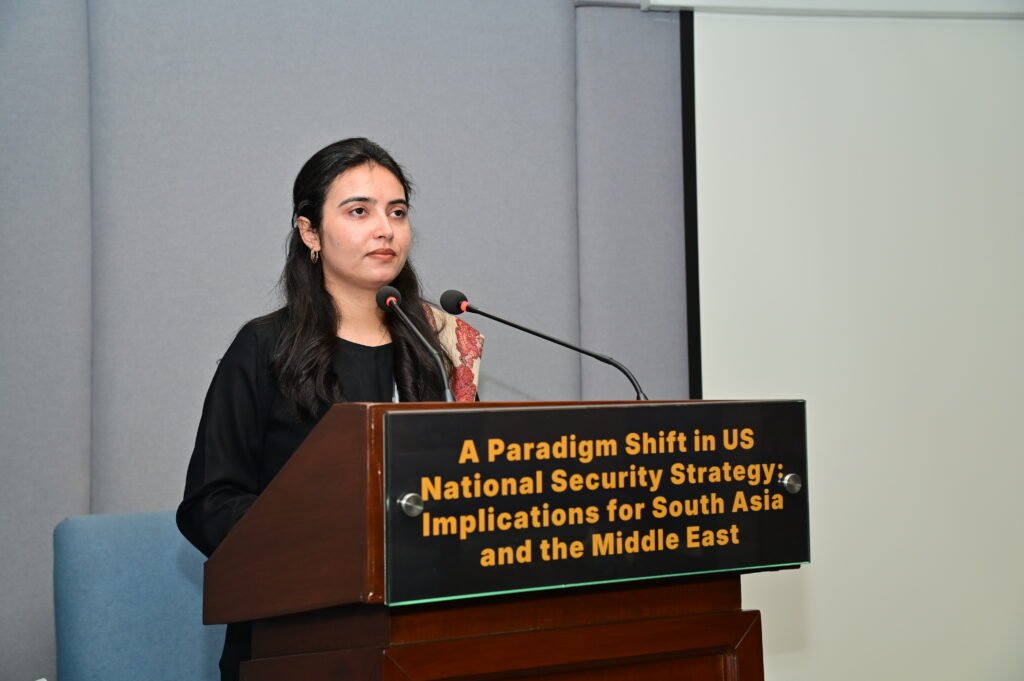
Master of The Ceremony
Ms Zunaira Sarfraz
Research Assistant, CASS Lahore
CASS LAhore

The Centre for Aerospace & Security Studies (CASS) was established in July 2021 to inform policymakers and the public about issues related to aerospace and security from an independent, non-partisan and future-centric analytical lens.
CASS Newsletter

@2025 – All Right Reserved with CASS Lahore.

- Home
- About Us
- Research Domains
- Publications
- Events
- Gallery
- Contact Us
@2021 - All Right Reserved. Designed and Developed by PenciDesign