


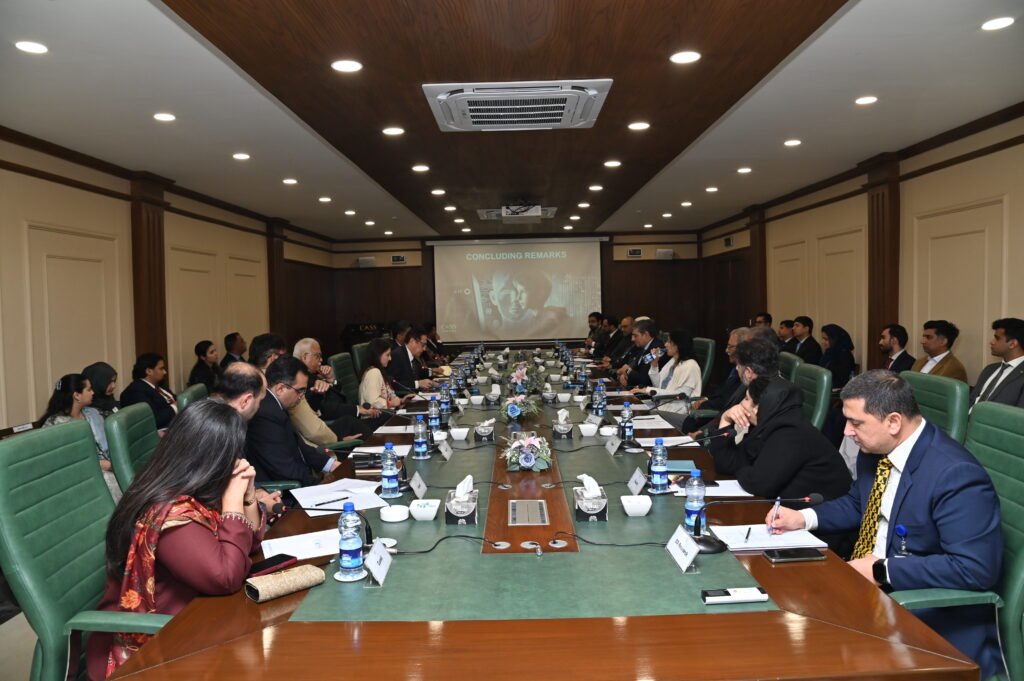
Roundtable Conference
Growing Up with Algorithms: How AI Is Rewiring Childhood and Youth
February 04, 2026
The roundtable examined how artificial intelligence is reshaping childhood and youth, while emphasising the need for responsible guidance to safeguard agency and wellbeing.
About The Event
Artificial Intelligence (AI) has evolved rapidly over the past decade, moving from a specialised technological tool to a pervasive force shaping social, economic, and cultural life. Advances in machine learning, data analytics, and automation have enabled AI systems to become embedded across sectors, including education, communication, and entertainment. As algorithmic technologies increasingly mediate information flows, decision-making processes, and patterns of interaction, they are reshaping how individuals engage with the world around them.
Within this broader transformation, children and young people are among the most deeply affected. AI-driven learning platforms, recommendation algorithms, digital games, and social media feeds now structure how young people learn, play, communicate, and form identities. While these technologies create new opportunities for engagement and access to knowledge, they also introduce forms of systemic influence in which choices, learning trajectories, and social experiences are guided or constrained by algorithmic design.
These developments raise critical questions about childhood development and well-being in AI-mediated environments. Continuous exposure to algorithmically curated content can shape cognitive development, self-perception, emotional resilience, and decision-making. Additionally, concerns around autonomy, agency, mental health, and ethical responsibility are becoming increasingly salient as children navigate digital ecosystems that influence how they understand themselves, their relationships, and their place in society.
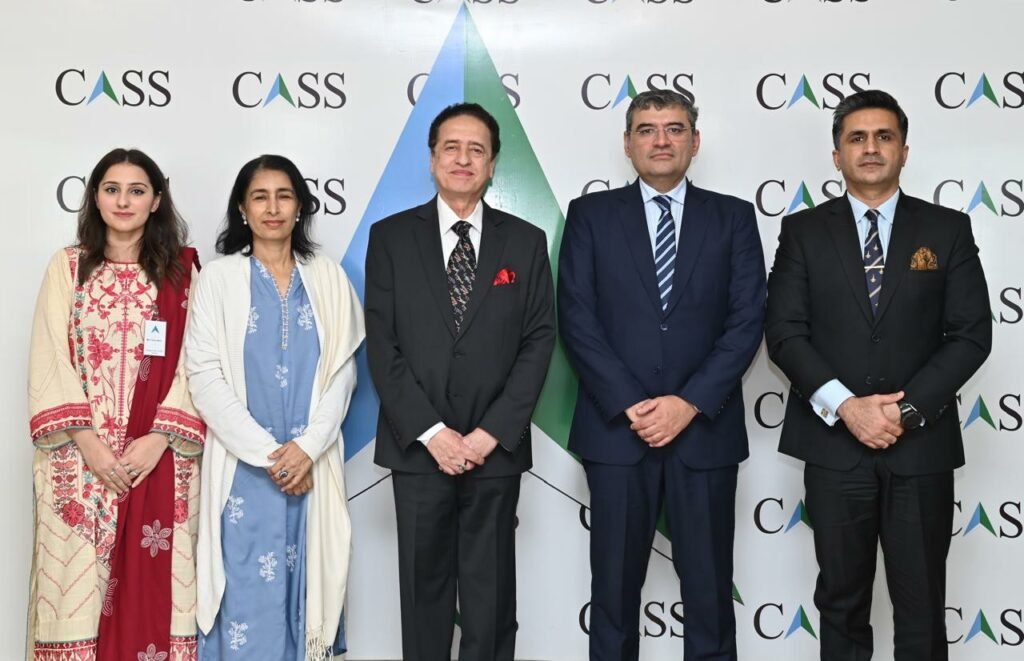
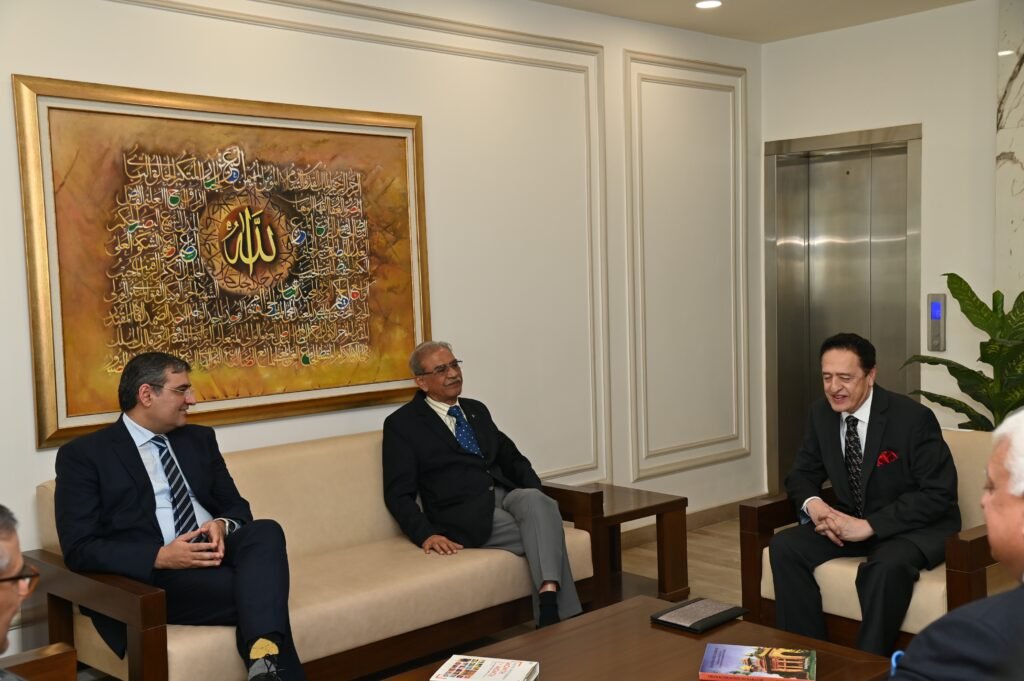
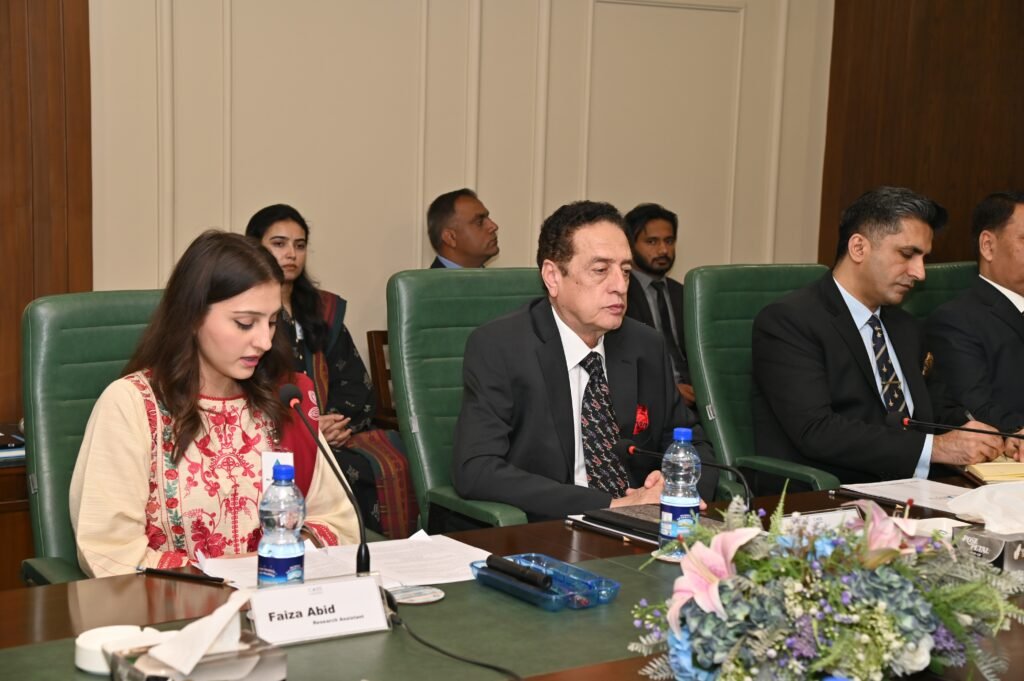
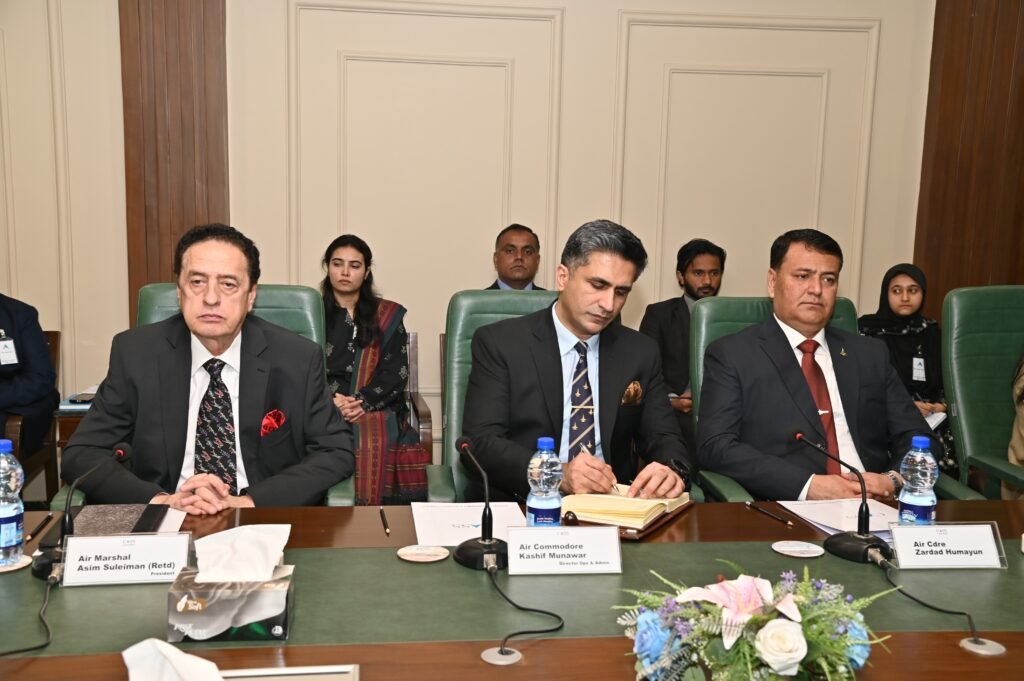
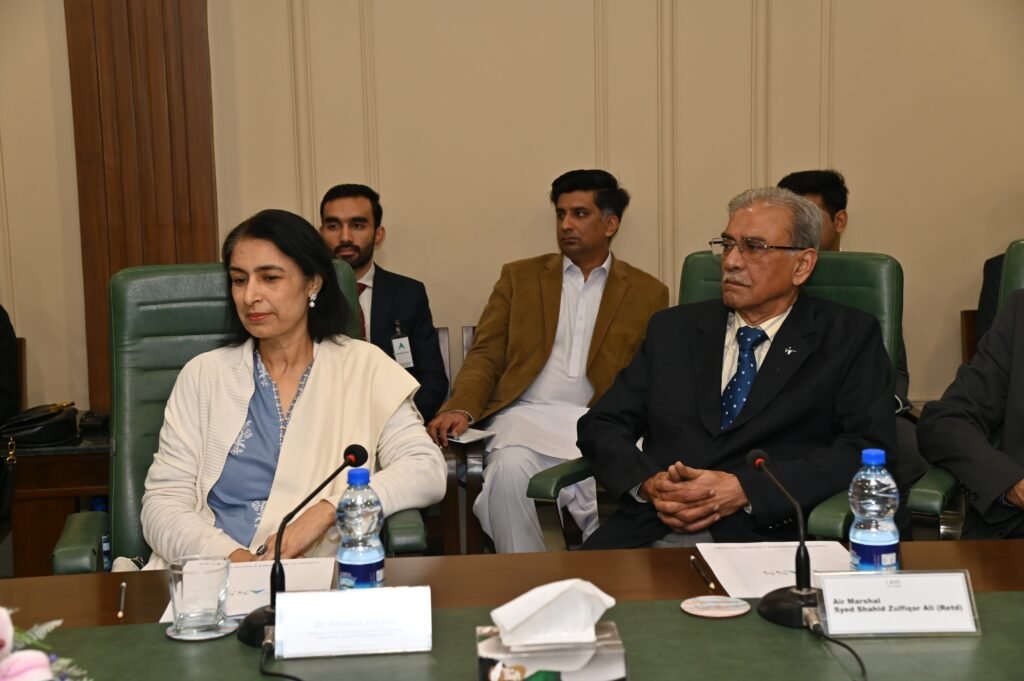
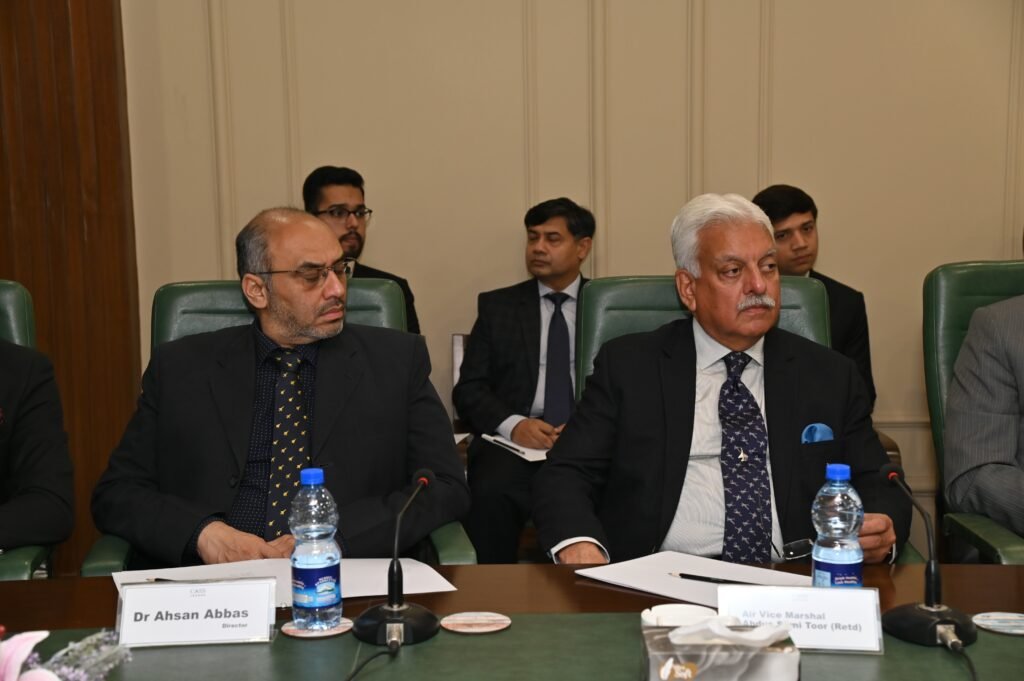
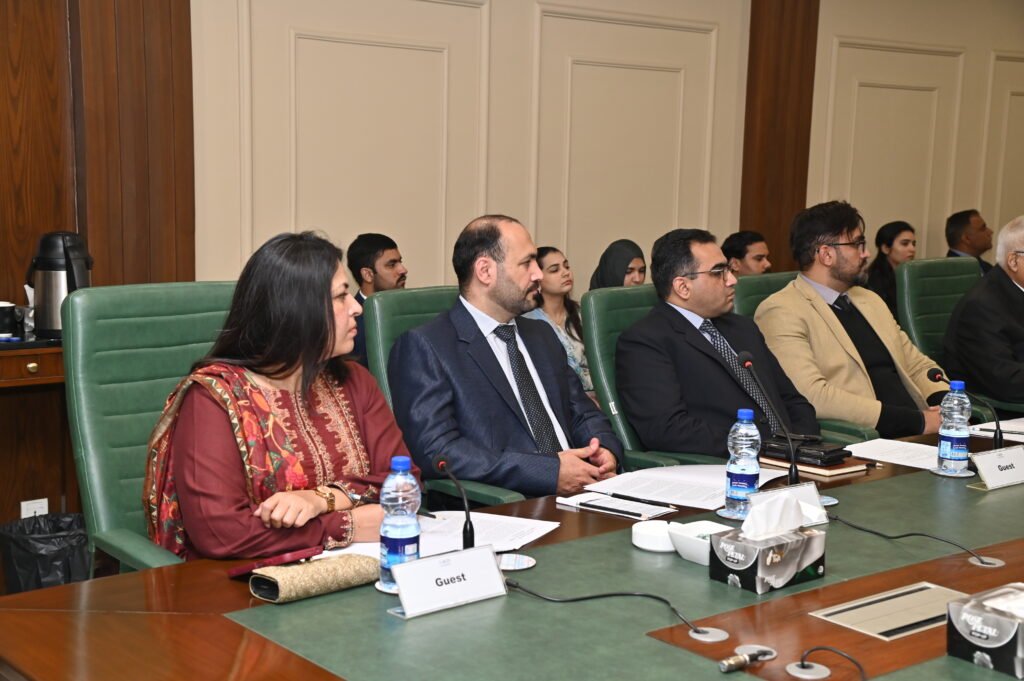
In this backdrop, the Centre for Aerospace and Security Studies (CASS), Lahore, organised a roundtable titled “Growing Up with Algorithms: How AI Is Rewiring Childhood and Youth.” The roundtable featured an eminent panel of experts who provided an interdisciplinary perspective, fostered dialogue among academics and practitioners, and examined how childhood experiences and development are increasingly being rewired by algorithmic systems.
Key Takeaways
- AI as a Thought Partner, not a Thought Leader
AI augments human decision-making rather than replacing it, ensuring children’s learning and development remain guided by human context, values, and direction.
- Human Empathy and Social Skills Are Irreplaceable
Emotional depth, empathy, and relational nuance cannot be replicated by AI. Maintaining human interaction is essential for developing leadership, social competence, and ethics.
- Personalised, Adaptive Learning through AI
AI enables tailored educational experiences, adjusting to attention, cognition, and emotion, enhancing engagement, comprehension, and skill development through adaptive platforms, smart toys, and AI tutors.
- Children as a Cognitive Security Asset
Children interacting with AI are the future strategists and decision-makers, making their cognitive development a matter of national and societal security. Responsible AI use must balance enhancement with mitigation of bias, dependency, and skill erosion.
- Identity is Multidimensional and Socially Shaped
Identity develops through biological, psychological, and narrative continuity, and is continuously influenced by family, culture, social structures, and self-reflection, highlighting the interplay between environment and self-concept.
- AI Shapes Beliefs and Self-Perception
Children increasingly trust AI for guidance, which can positively expand knowledge and learning opportunities but also carries risks of cognitive dependence.
- Human Agency Must Be Preserved and Cultivated
Agency, the capacity to direct one’s own thinking and choices, remains fundamentally human in the age of AI. AI should serve as a tool to support children’s learning, not replace their independent reasoning and decision-making.
- Feedback, Labels, and Narratives Shape Cognitive Schemas
External feedback and societal labels shape mental schemas that influence self-concept, confidence, and behaviour, highlighting the ethical responsibility of caregivers, educators, and AI designers in shaping identity and cognition.
Policy Considerations
- AI Literacy and Model-Specific Training
AI literacy programmes covering system logic, limitations, and critical evaluation with model-specific training and certification demonstrating domain-specific foundational knowledge need to be completed by students and professionals before AI tool access.
- Age-Appropriate AI Access and Supervision
Age-stratified guidelines should be governing AI use, requiring direct parental or educator supervision for younger learners, with periodic updates based on locally relevant cultural and societal content on cognitive and ethical readiness.
- Promote Agency-Centred AI Use in Education
Independent thinking and decision-making need to be cultivated through education policies to ensure that AI operates only as a supportive tool and never replaces human reasoning.
- Integrate Identity and Cognitive Awareness into Curricula
Educational frameworks are to be developed to teach children to reflect on biological, psychological, and narrative aspects of identity, fostering self-understanding alongside digital literacy and critical thinking.
- Evidence-Based Mental Health and Cognitive Safeguards
AI-related policies can be informed by longitudinal research assessing AI’s impact on youth mental health, social development, and cognition, guiding interventions for safe, balanced, and developmentally appropriate AI engagement.
- Intergenerational Digital Literacy and Mentorship
A structured dialogue among youth, parents, and educators, alongside mentorship initiatives to be facilitated through community and educational programmes to strengthen ethical reasoning, critical thinking, and informed decision-making.
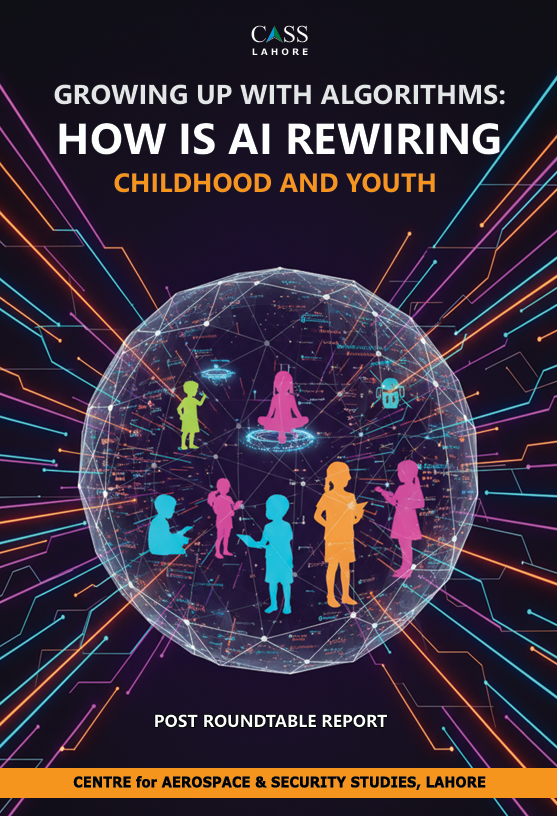

Post Event Report
A comprehensive report capturing expert analyses, strategic insights, key recommendations, media coverage, and event highlights.
Guest Speakers
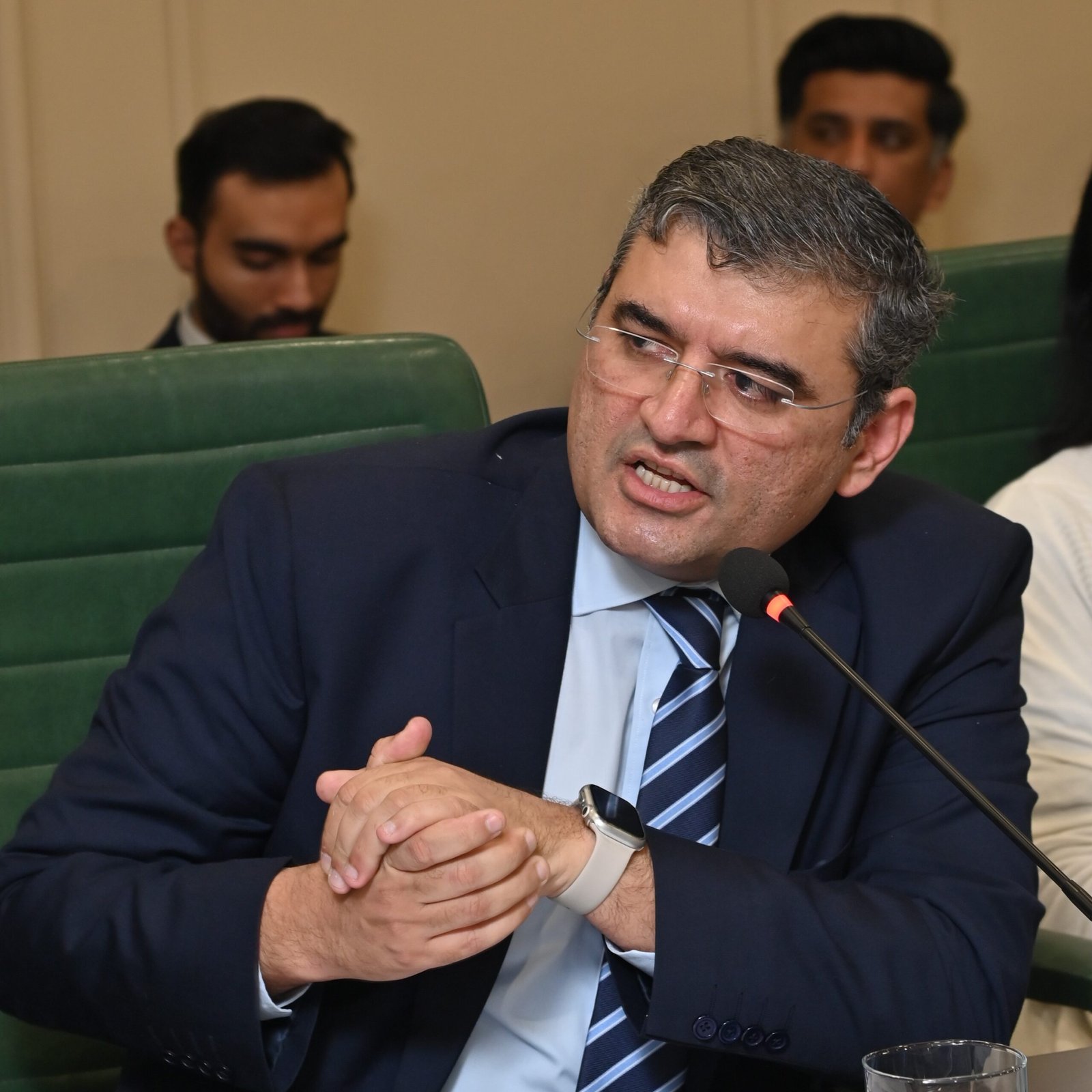
Dr Ibrar Hussain
Dean, Information Technology, University of Lahore
Dr Ibrar Hussain currently serves as Professor at The University of Lahore, where he is also the Dean of the Faculty of Information Technology and Founding Head of the Department of Software Engineering. He holds a Ph.D. in Computer Science from Zhejiang University, China. He earned his MS in Information Management from Queen Mary University of London. He is also a Research Fellow at Shinawatra University, Thailand. Earlier in his career, he held academic positions at COMSATS University Islamabad and worked as a Software Engineer at Pakistan Aeronautical Complex (PAC) Kamra, bringing valuable industry experience into academia.
Dr Ibrar Hussain’s expertise lies in Artificial Intelligence, Machine Learning, Human-Computer Interaction, Ubiquitous Computing, Accessibility, Internet of Things (IoT), and Location-Based Services. He has an extensive research portfolio with numerous publications in high-impact journals and premier international conferences. He is also the author of the book “Artificial Intelligence & Block chain in Cyber Physical Systems,” further highlighting his contributions to emerging technologies and interdisciplinary research.
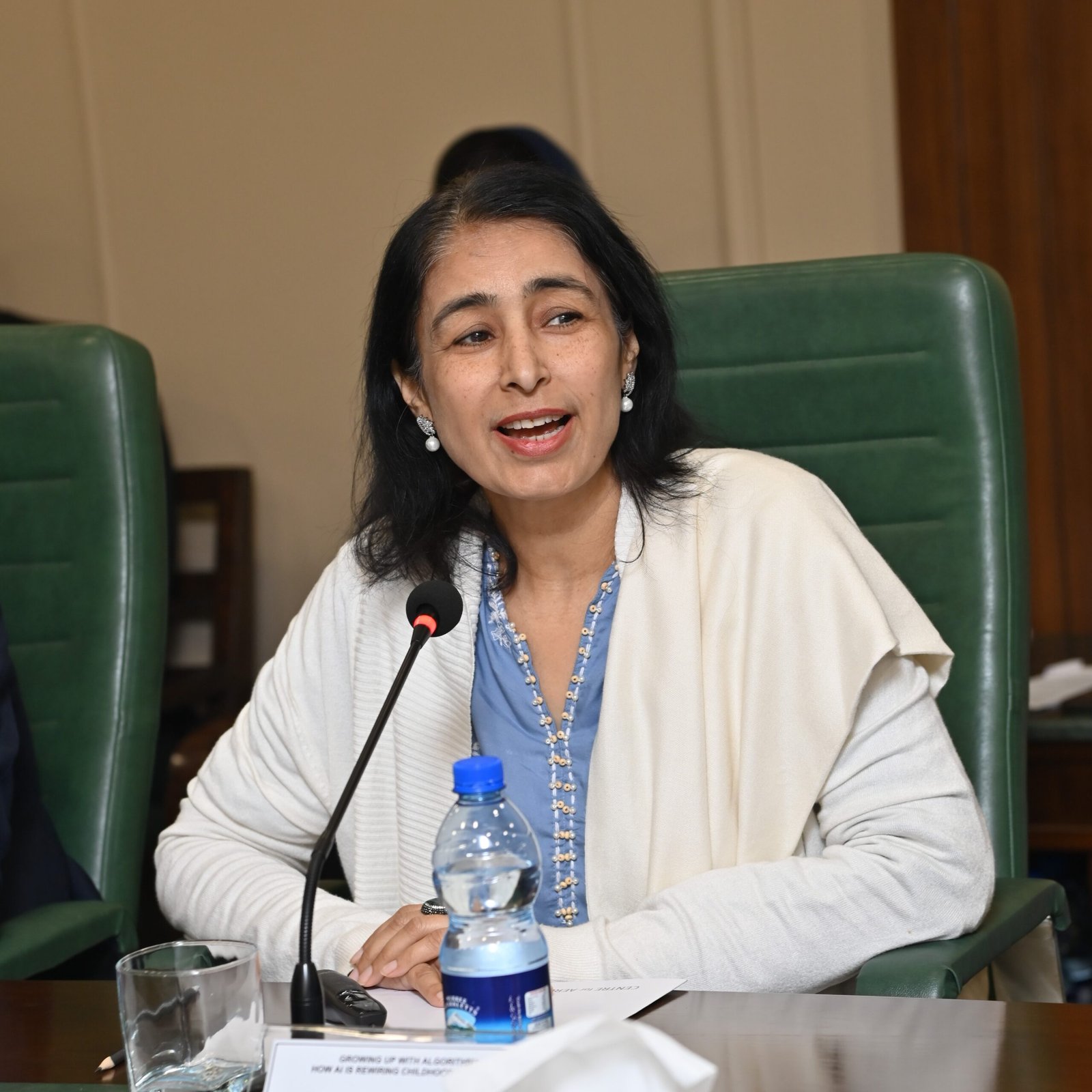
Dr Shazia Hasan
Professor and Head, Department of Psychology, University of Central Punjab
Dr Shazia Hasan currently serves as Professor and Head of the Psychology Department, University of Central Punjab, Lahore. She earned her PhD and MPhil in Clinical Psychology from University of Karachi. She also holds a Post-Magisterial Diploma in Clinical Psychology. Previously, she worked at COMSATS Institute of Information Technology as Associate Professor, Associate Dean of Humanities, and Head of Humanities. She also worked as a consultant clinical psychologist, bringing together academic leadership, administration, and clinical practice experience.
Dr Shazia Hasan’s expertise lies in Clinical Psychology, with a strong focus on psychodiagnosis, psychotherapy, trauma-related disorders, emotional regulation, and clinical interventions for children, adolescents, and adults. She has a substantial research portfolio, with numerous national and international publications in peer-reviewed journals. Her research primarily addresses clinical disorders, with particular emphasis on trauma-informed and evidence-based therapeutic approaches
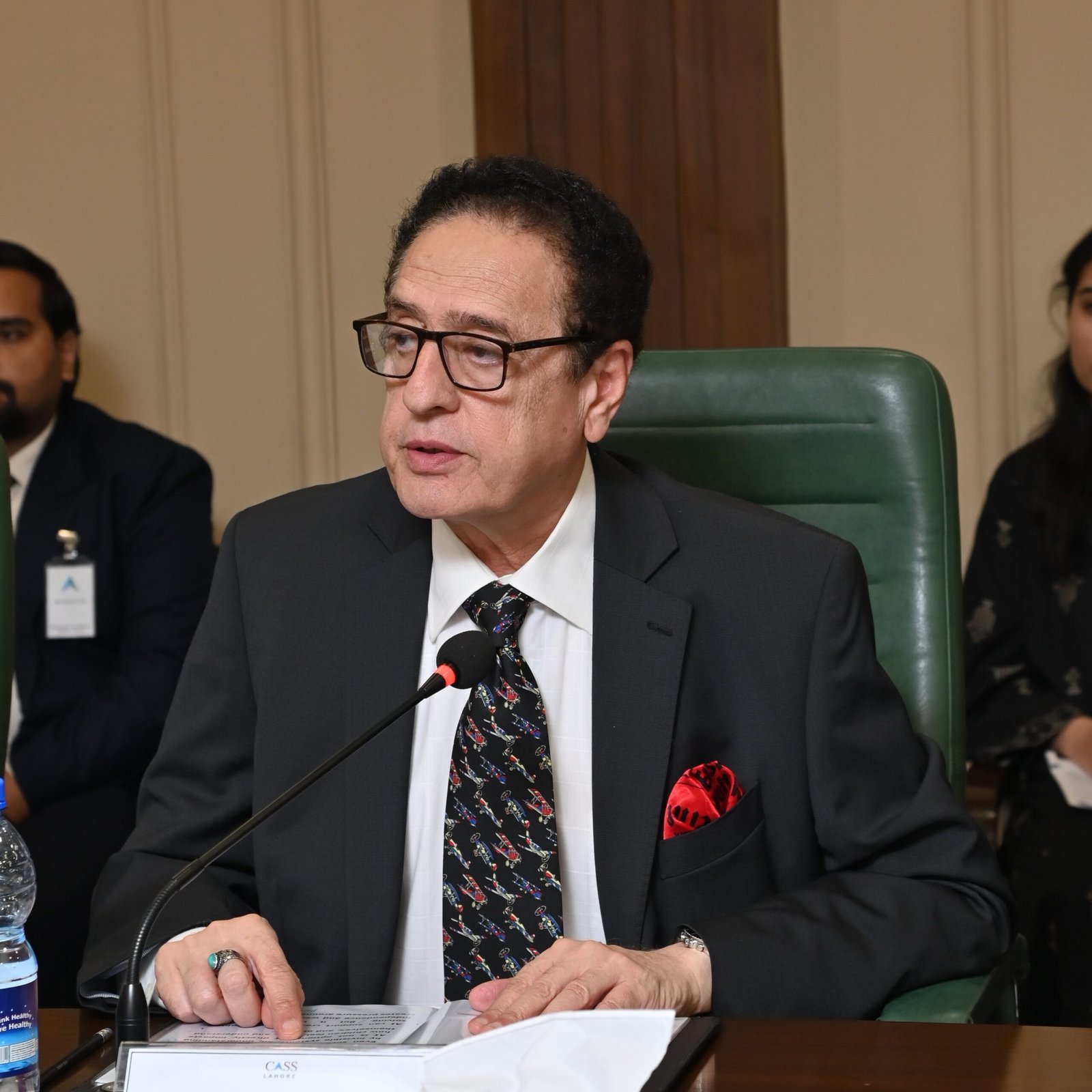
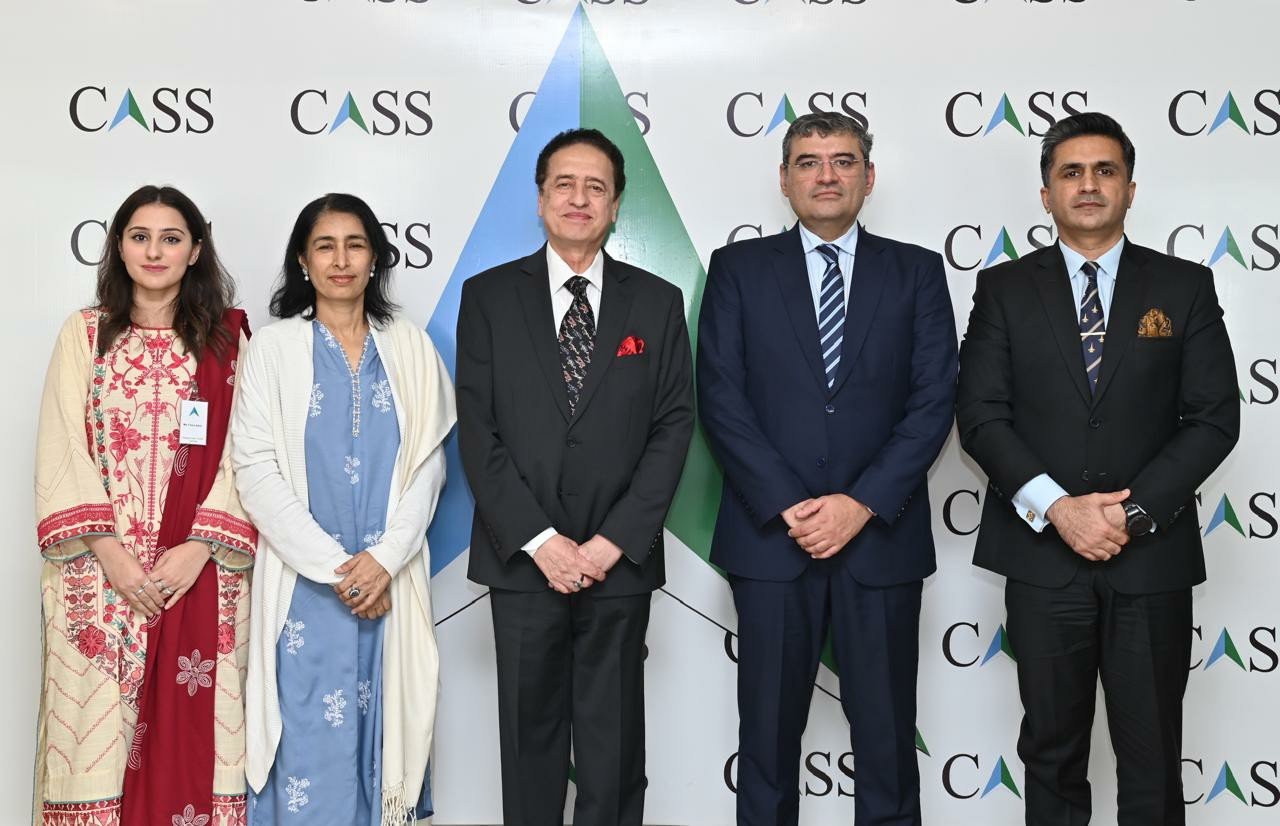
Event Chair
Air Marshal Asim Suleiman (Retd)
President, CASS Lahore
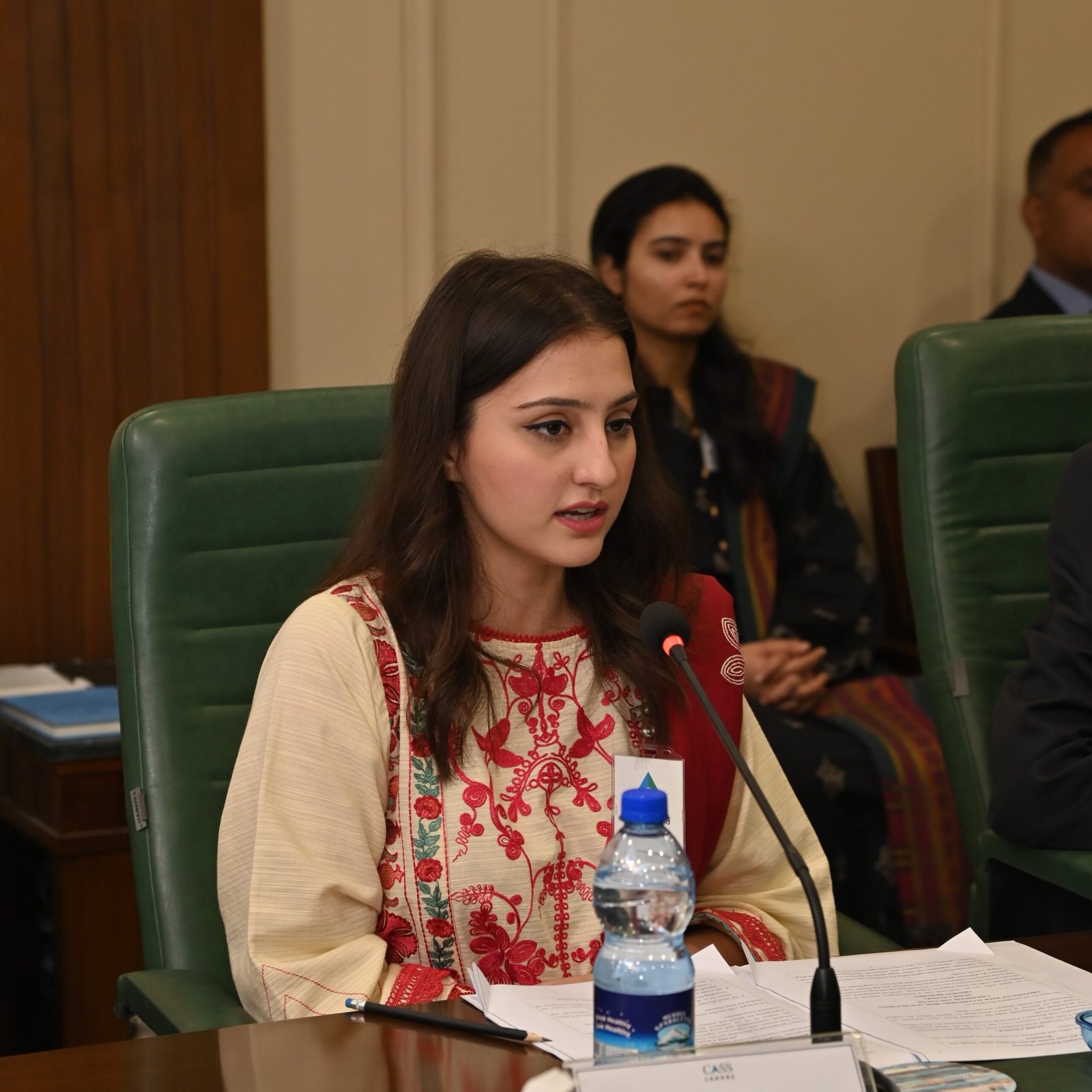
Event Coordinator
Faiza Abid
Research Assistant, CASS Lahore
Master of The Ceremony
Faiza Abid
Research Assistant, CASS Lahore

CASS LAhore

The Centre for Aerospace & Security Studies (CASS) was established in July 2021 to inform policymakers and the public about issues related to aerospace and security from an independent, non-partisan and future-centric analytical lens.
CASS Newsletter

@2025 – All Right Reserved with CASS Lahore.

- Home
- About Us
- Research Domains
- Publications
- Events
- Gallery
- Contact Us
@2021 - All Right Reserved. Designed and Developed by PenciDesign