


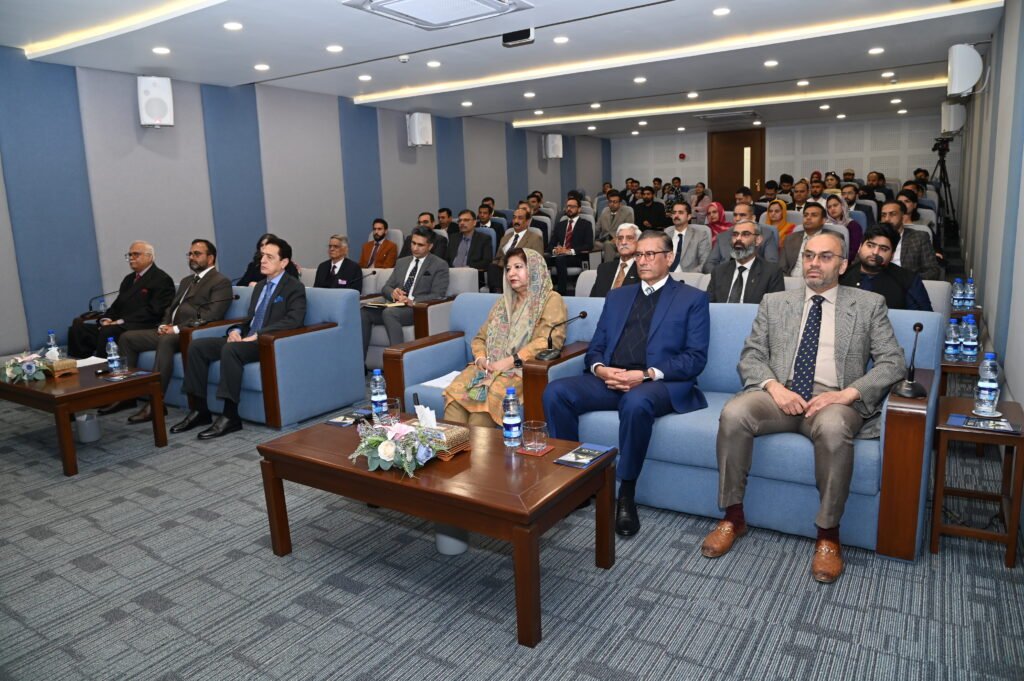
Seminar
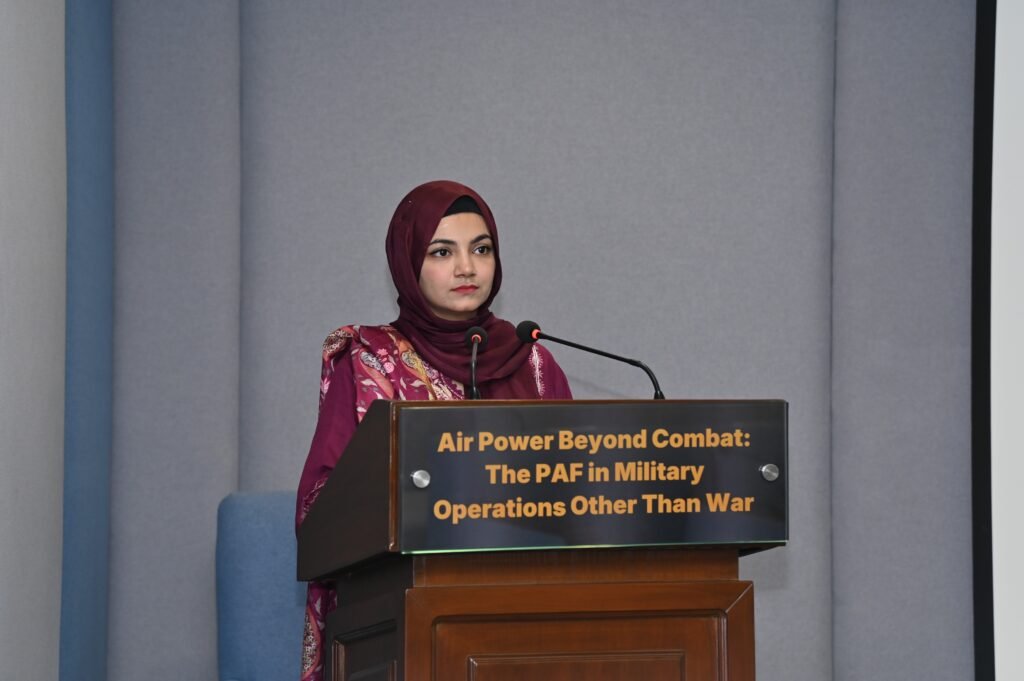
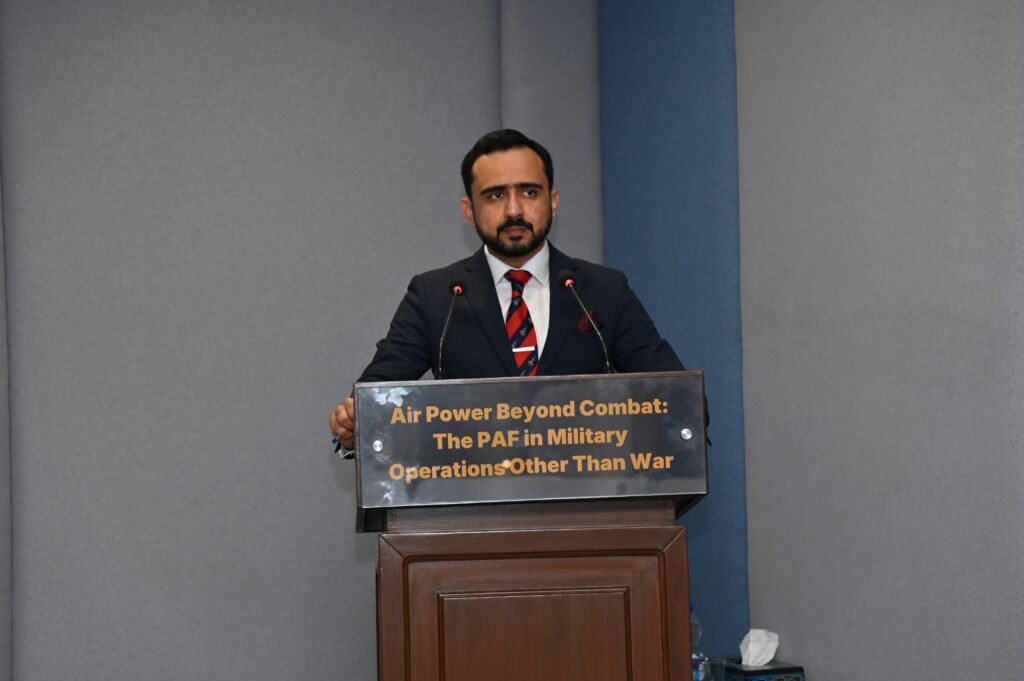
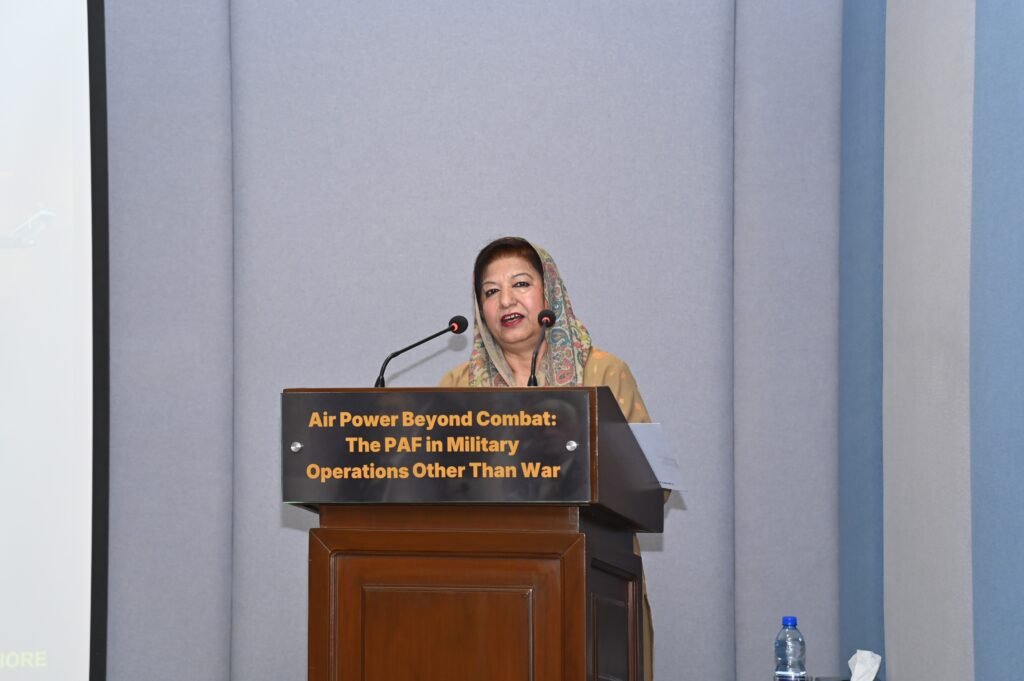
Air Power Beyond Combat: The PAF in Military Operations Other Than War
February 12, 2026
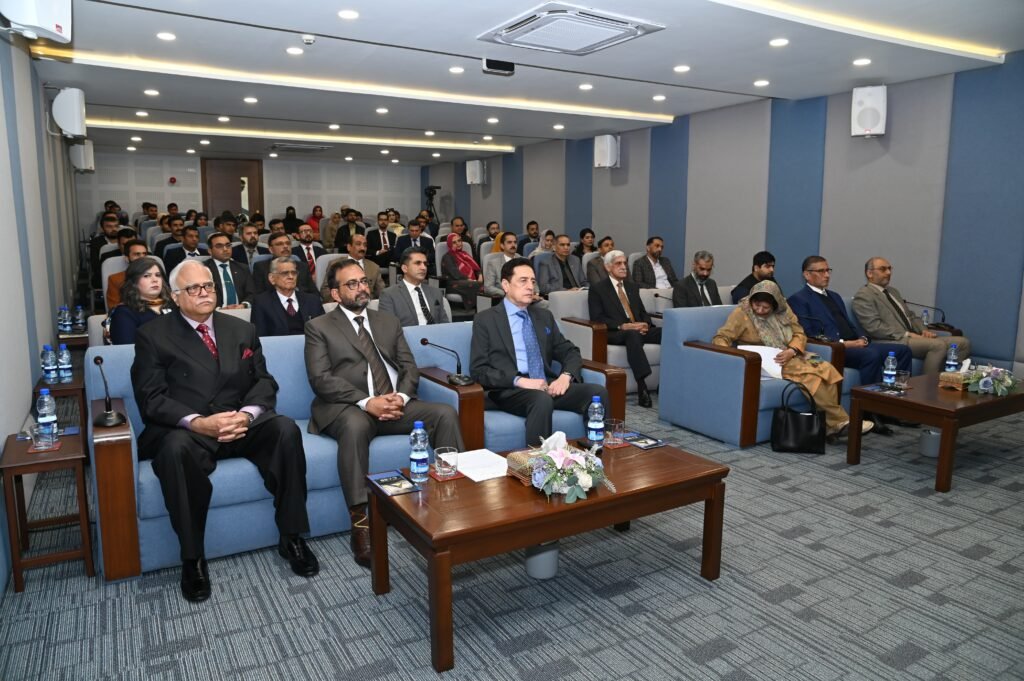
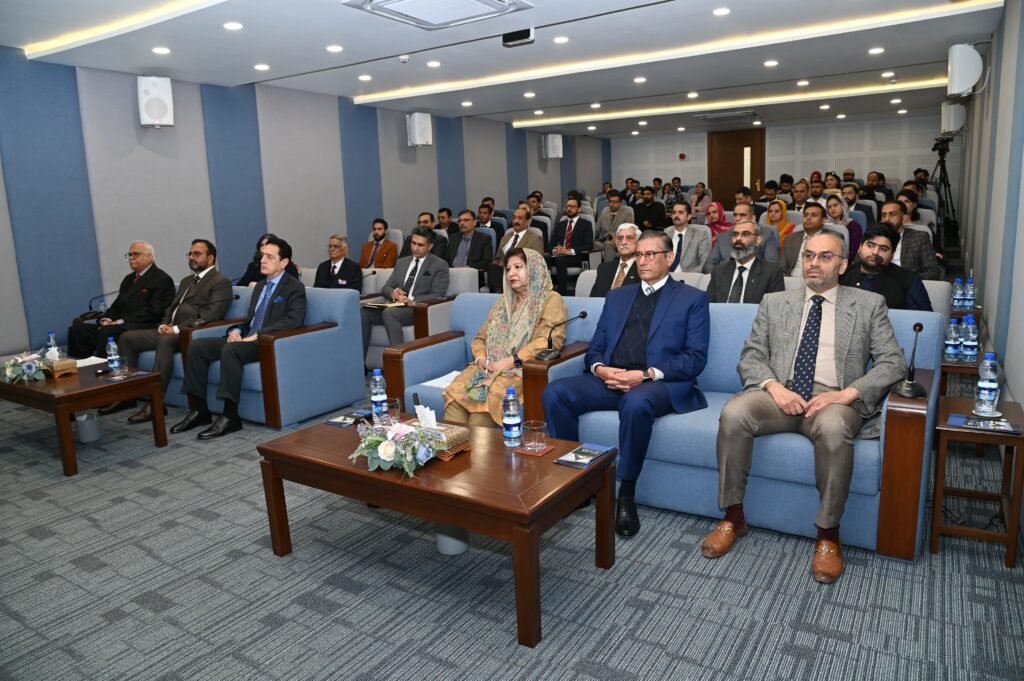
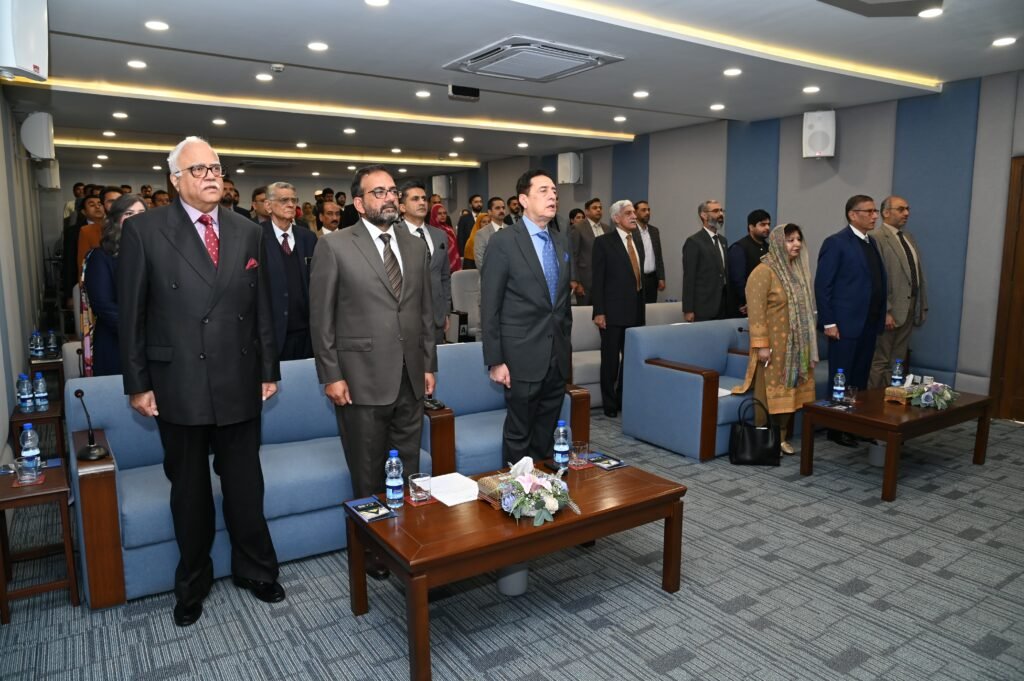
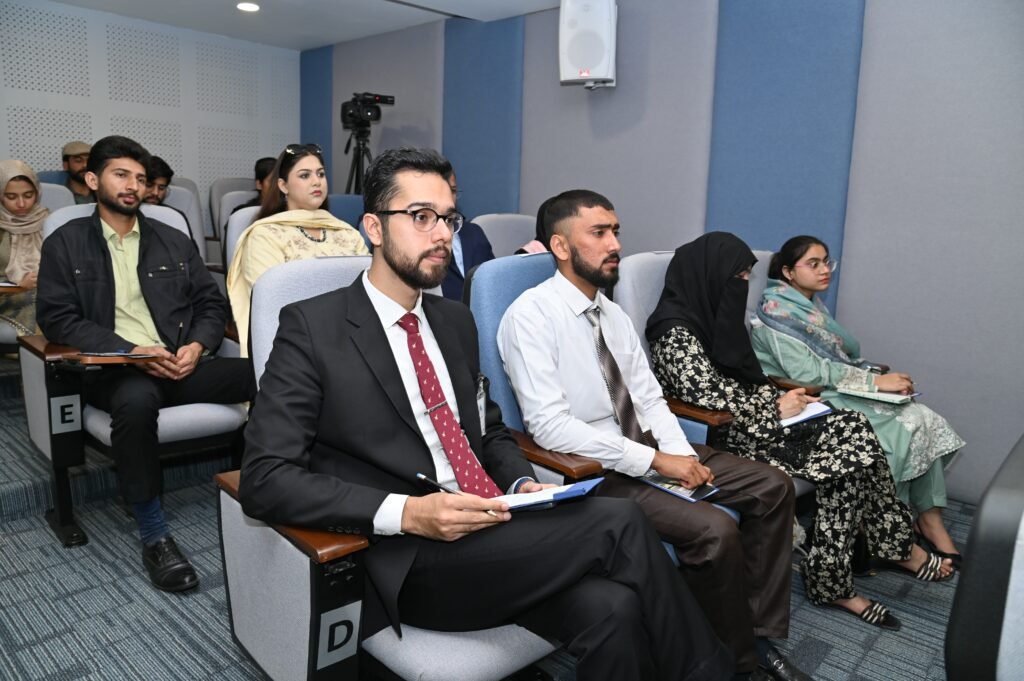
The seminar explored how the Pakistan Air Force leverages air mobility, surveillance, and humanitarian capabilities to support disaster response, human security, and national resilience beyond its traditional combat role.
About The Event
Air power has conventionally been viewed through the prism of combat, deterrence, and coercive force projection. However, contemporary security environments shaped by climate-induced disasters, humanitarian crises, pandemics, and complex civil emergencies have expanded the operational relevance of air forces. Military Operations Other Than War (MOOTW) are no longer peripheral activities but a sustained operational domain with direct implications for national security.
Pakistan’s high exposure to earthquakes and climate extremes, coupled with fragile infrastructure and high societal expectations, has repeatedly placed the Pakistan Air Force (PAF) at the forefront of national disaster response efforts. The PAF’s air mobility, surveillance, logistics, and medical evacuation capabilities have enabled rapid access to affected populations, where civilian response mechanisms are constrained. These operations deliver immediate human protection while reinforcing institutional credibility and state legitimacy. Under the leadership of Air Chief Marshal Zaheer Ahmed Baber Sidhu, the PAF, cognisant of this national responsibility, has expanded its C-130 fleet and modified Airbus aircraft for use as an air ambulance.
The seminar, “Air Power Beyond Combat: The PAF in Military Operations Other Than War”, seeks to examine this expanded role of air power through a strategic and institutional lens. It reframes MOOTW as an integral component of contemporary air power employment rather than an auxiliary task. The seminar situates the PAF within broader debates on non-traditional and human security, highlighting how air power contributes to societal resilience alongside its conventional warfighting role.
The seminar is structured around three themes. It first reframes air power as an instrument of human security, highlighting speed, reach, and swift response in HADR operations. It then examines institutional adaptation to non-traditional security roles, with emphasis on mandate evolution, governance, and interagency coordination. Finally, it empirically assesses PAF humanitarian and disaster response operations, extracting lessons on effectiveness, doctrine, sustainability, and positioning the PAF as a pillar of national resilience. The discourse aims to highlight the PAF as a central pillar of national resilience and disaster management, beyond its traditional combat roles.
Key Takeaways
- Beyond Kinetic Warfighting
Air power remains a weapon of choice in modern warfare. Yet, in a contemporary threat environment increasingly shaped by non-military challenges, the non-combat role of militaries has structurally expanded. These challenges include environmental risks, governance strain, and the military’s own exposure to climatic stresses.
- Air Power as an Enabler of Human Security
Air power’s speed, reach, situational awareness, and integration with satellite, ISR, and communication systems position it as a critical enabler of human security. Consequently, air forces worldwide are embedding Military Operations Other Than War (MOOTW) and Humanitarian Assistance and Disaster Relief (HADR) into doctrine, training cycles, and command frameworks because human security complements state security.
- Institutionalisation of PAF’s HADR Role
Successive national emergencies, including the 2005 earthquake, 2010 floods, and the COVID-19 pandemic, as well as international HADR campaigns, transformed PAF into a mature humanitarian logistics actor. HADR is embedded within the institutional DNA and operational ethos of the PAF.
- Structural Drivers of Non-Combat Relevance
Urgent decision-making, infrastructure collapse, information dominance, and escalating climate stress explain why air forces are often the first and sometimes only viable responders in crises.
- Air Power in UN Peace Operations
United Nations missions have historically relied heavily on air power. However, effectiveness in multilateral contexts depends less on capability and more on access, political consent, and clarity of mandate.
- Effectiveness of Air Power in MOOTW
Air Power’s operational effectiveness in MOOTW depends on rapid coordination, decentralised decision-making, interoperable communication systems, and sustained logistics. International deployments further require a high level of interoperability and diplomatic credibility.
Policy Considerations
- Doctrinal Integration and Revision
Military Operations Other Than War and HADR may be formally integrated into national security and air power doctrine. Clear objectives, command relationships, and engagement thresholds could be defined and periodically reviewed to prevent ambiguity and mission creep.
- Shift from Reaction to Anticipation
Disaster governance could gradually transition toward anticipatory management. Integrated early warning systems, satellite and UAV-supported forecasting, and decentralised alert mechanisms may extend response windows and lessen dependence on post-crisis mobilisation.
- Institutionalise Training and Interoperability
HADR competencies could be mainstreamed across operational units and reinforced through regular joint exercises with NDMA, provincial authorities, other services, and international partners. Shared protocols and communication systems remain central to effective multi-actor coordination.
- Establish Structured Learning and Reporting Mechanisms
The PAF may like to maintain a record of HADR missions, assets utilised, and lessons learnt. This would enhance institutional memory, transparency, and the refinement of evidence-based capabilities.
- Invest in Advanced Technology and Predictive Systems
Sustained investment by civilian authorities in forecasting tools, ISR integration, predictive analytics, secure digital networks, and simulation-based training would strengthen the management of increasingly complex non-military emergencies. Such efforts are ideally anchored in civilian authority under a clear legal framework. The PAF’s capabilities and operational experience can serve as a complementary factor.
- Pursue Pragmatic Military Greening
While full aviation decarbonisation remains distant, phased improvements in energy efficiency, renewable integration, and exploration of alternative fuels can be advanced without compromising operational readiness.
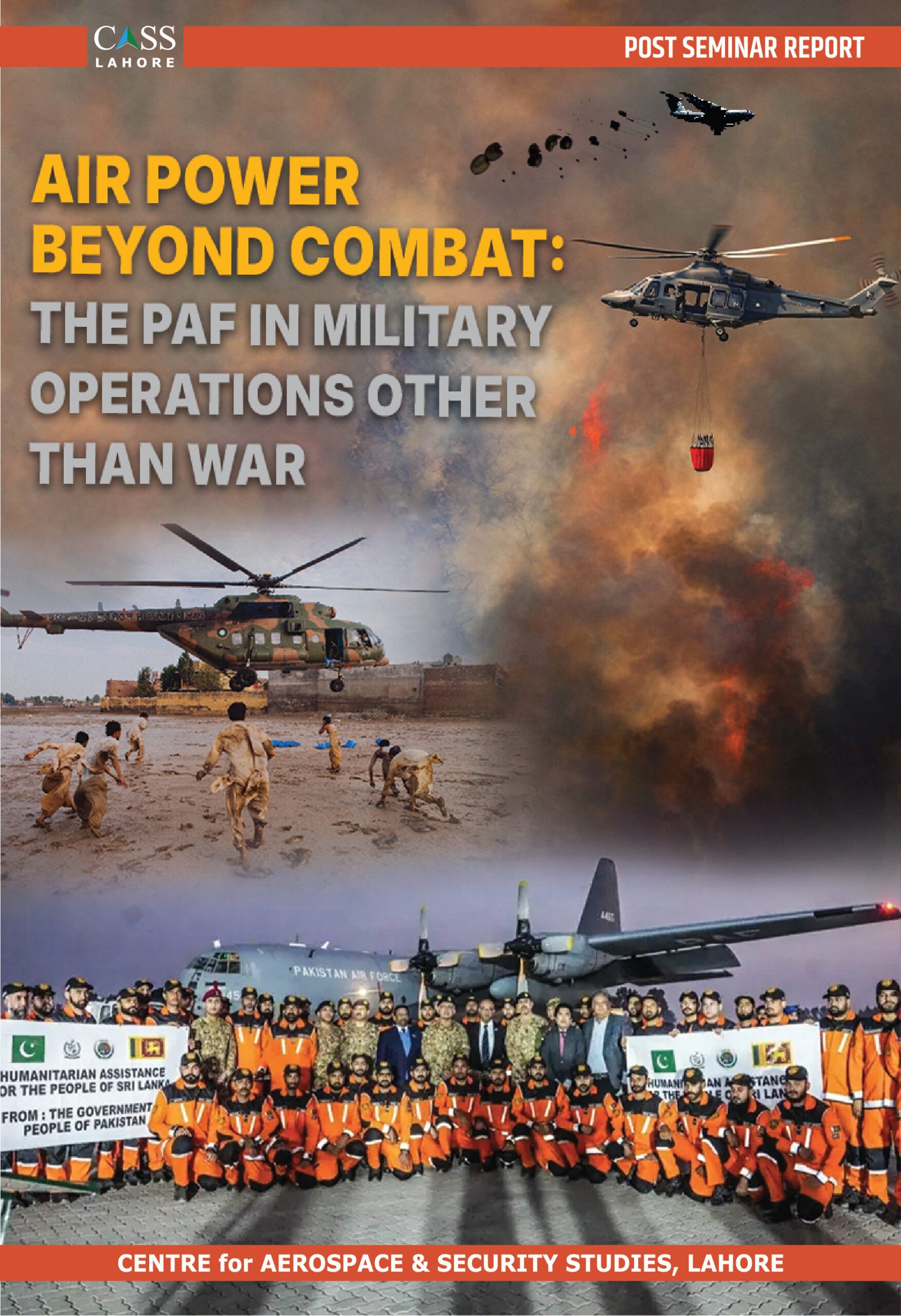

Post Event Report
A comprehensive report capturing expert analyses, strategic insights, key recommendations, media coverage, and event highlights.
Guest Speakers
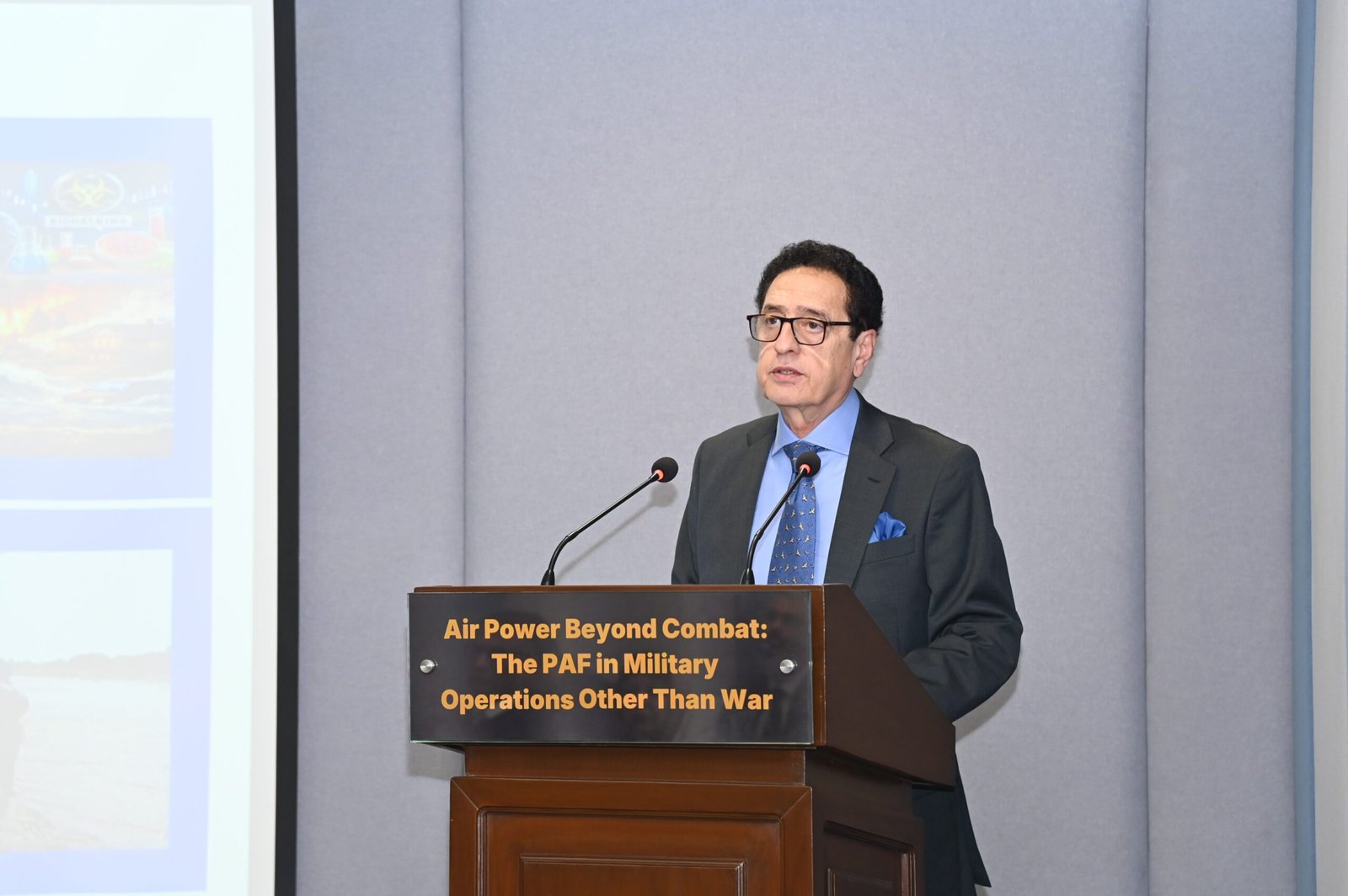
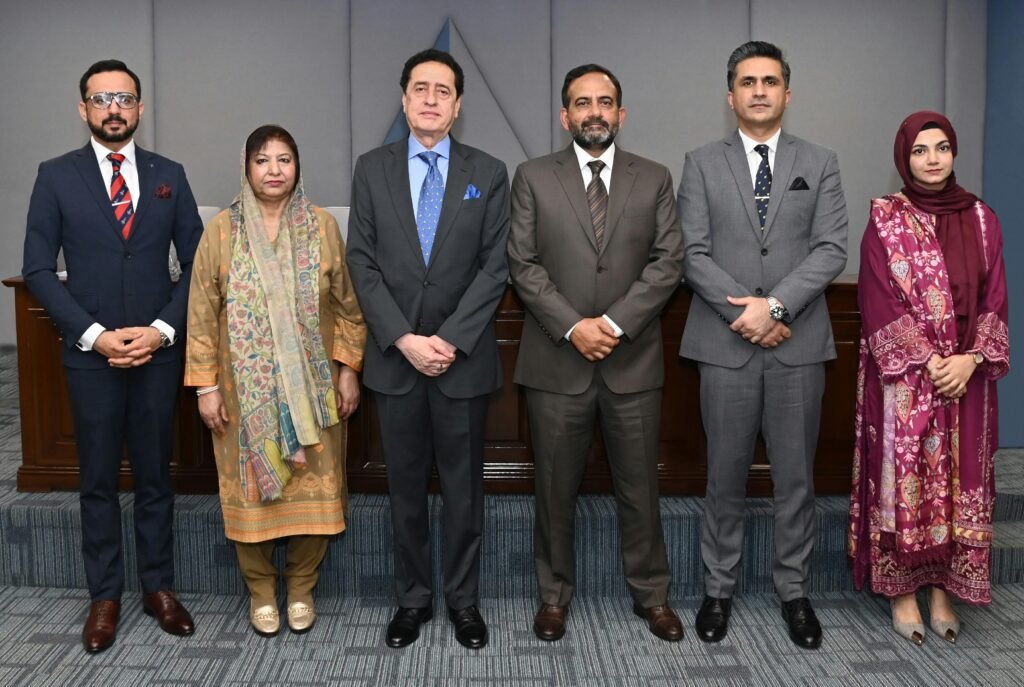
Air Marshal Asim Suleiman (Retd)
President, CASS Lahore
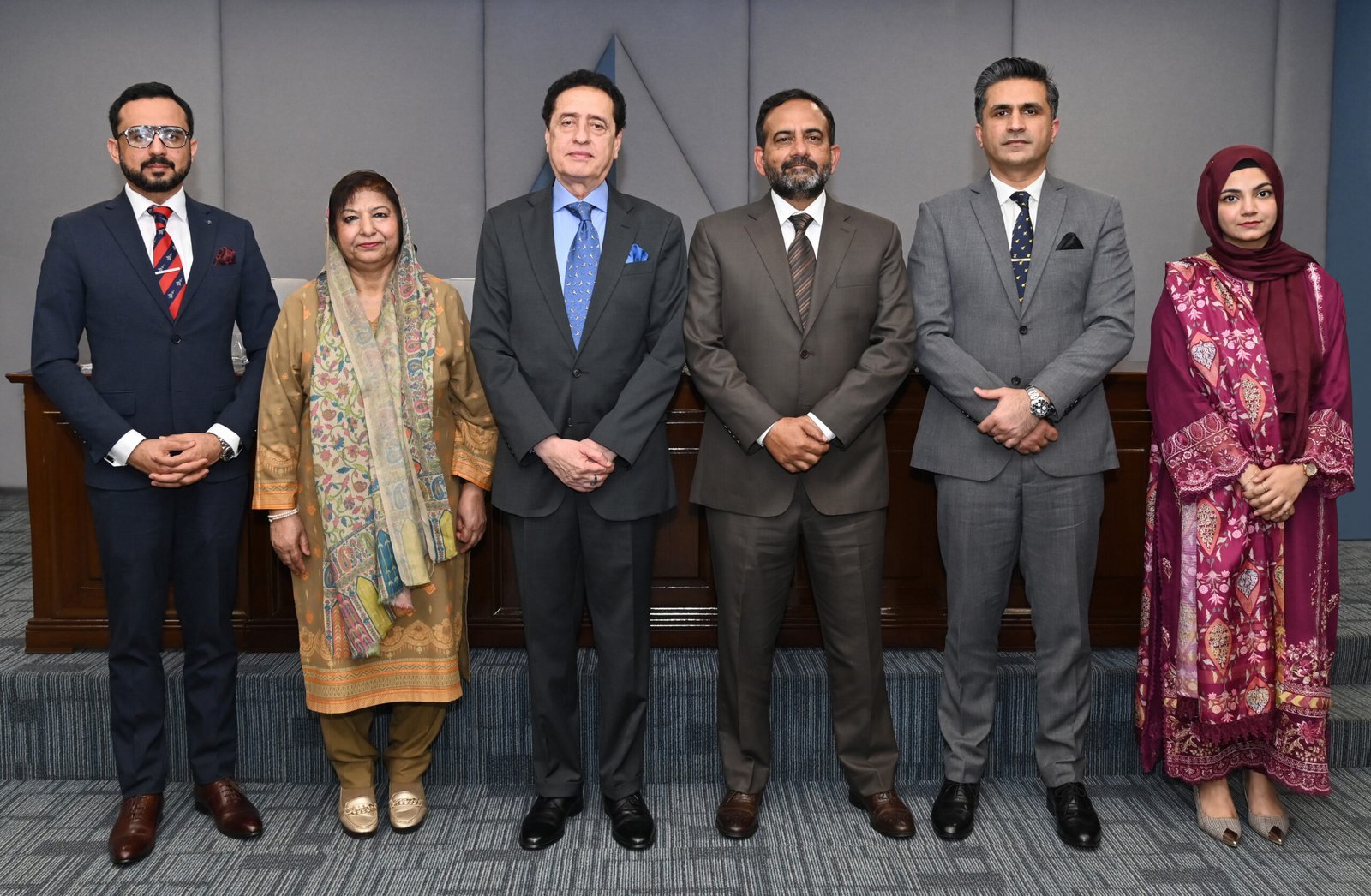
Air Marshal Asim Suleiman is currently the President of the Centre for Aerospace and Security Studies, Lahore. He graduated from the PAF Academy, Risalpur in 1978 and is an alumnus of the Defence Services and Staff College, Dhaka and the National Defence University, Islamabad. He also holds a master’s degree in Defence and Strategic Studies from Quaid-e-Azam University, Islamabad. During his distinguished service, he served as Staff Officer in various capacities to three Chiefs of the Air Staff, as Directing Staff at the Combat Commanders’ School, and held command assignments including a Combat Squadron and an Operational Base.
Air Marshal Suleiman’s career also encompassed significant diplomatic and staff roles. He served as Air Adviser at the Pakistan High Commission in India and as Director General of Air Intelligence. His staff appointments included Deputy Chief of Air Staff (Support) and Deputy Chief of Air Staff (Admin). Following his retirement, he was appointed Director General of the Pakistan Civil Aviation Authority. He is a decorated officer, having received the Hilal-e-Imtiaz (M), Sitara-e-Imtiaz (M), Sitara-e-Basalat, and Imtiazi Sanad.
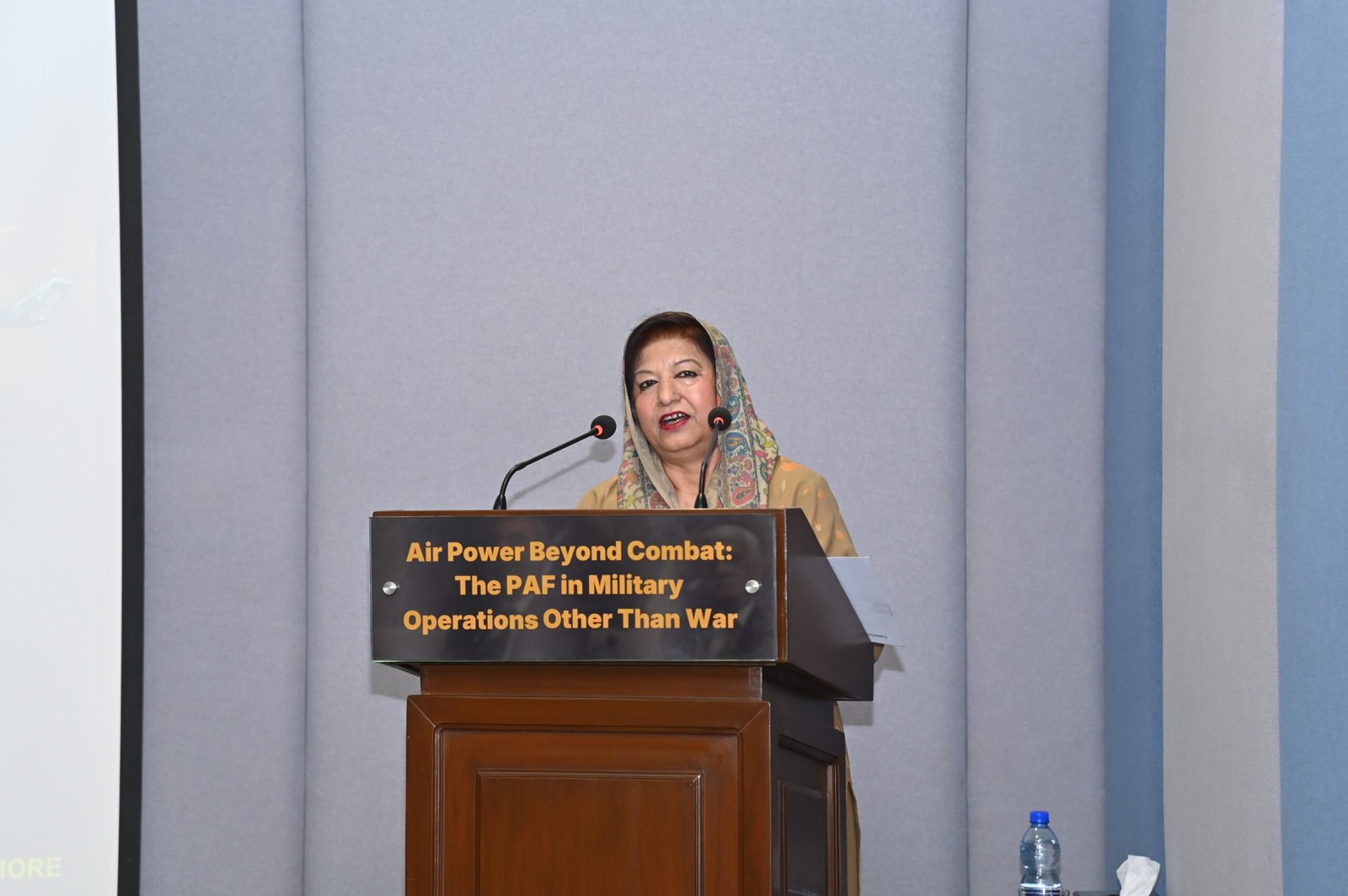
Professor Dr Shaheen Akhtar
Head of Department of International Relations, National Defence University, Islamabad
Prof. Dr Shaheen Akhtar currently serves as Head of the Department of International Relations at the National Defence University, Islamabad. She holds a PhD in International Relations and a Diploma in Conflict Resolution from Uppsala University. With over 42 years of experience, Dr Akhtar’s academic career includes visiting fellowships at leading institutions in China, the United States, Sweden, and Sri Lanka, including the Women in Conflict 1325 Fellowship and the Commonwealth Professional Fellowship.
Dr Akhtar has authored more than 68 research articles and book chapters published in internationally indexed journals. Her research focuses on security and stability in South Asia, conflict resolution, and peacebuilding, with recognised expertise in non-traditional security issues such as climate change, water and energy security, and gender. She is a recipient of the Higher Education Commission’s Best University Teacher Award and regularly delivers lectures and policy briefings at military, intelligence, and strategic institutions across Pakistan.
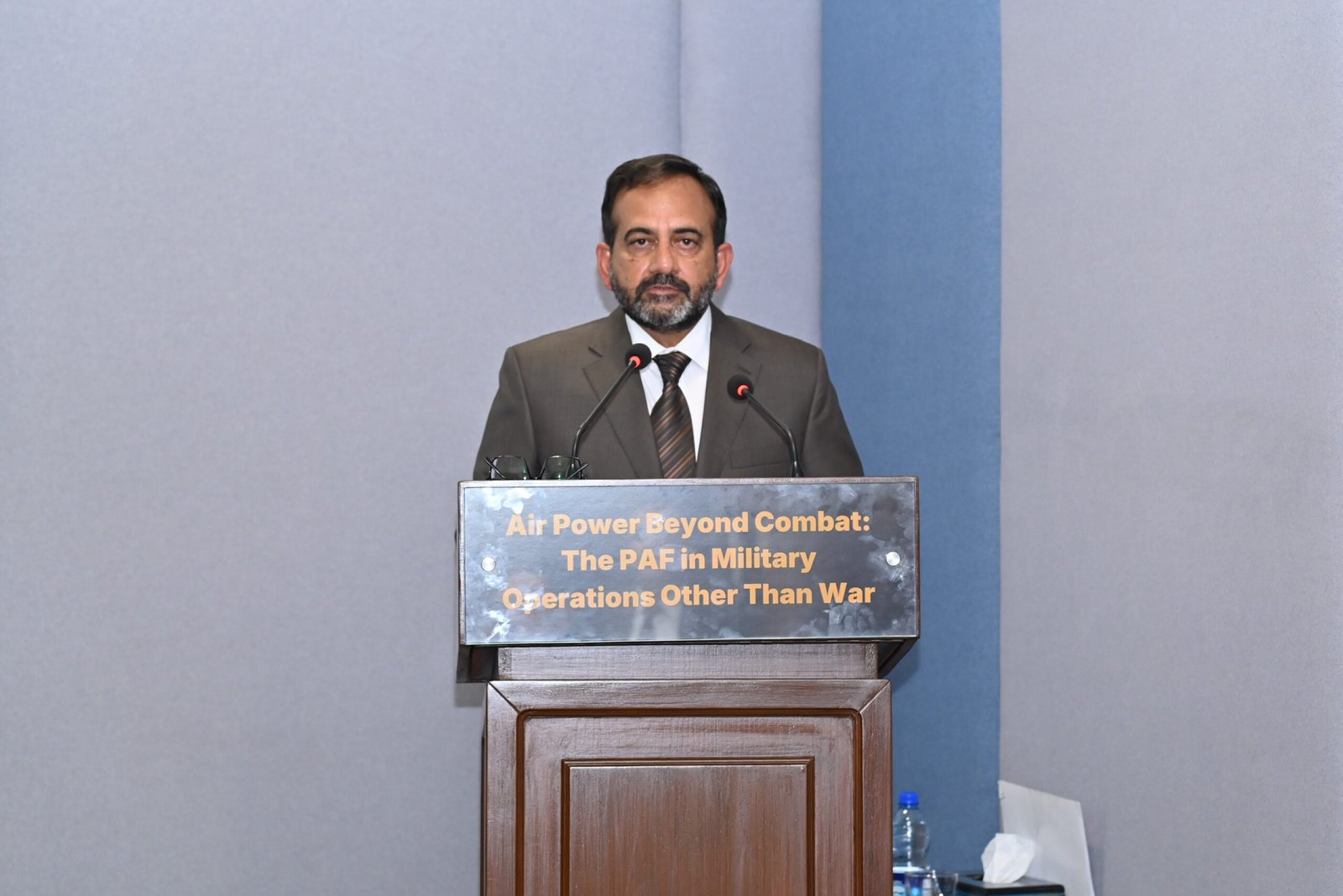
Air Vice Marshal Nasser Ul Haq Wyne (Retd)
Director, CASS Islamabad
Air Vice Marshal Nasser Ul Haq Wyne (Retd) currently serves as the Director of Aerospace & Warfare at the Centre for Aerospace and Security Studies (CASS), Islamabad. He served in the Pakistan Air Force from 1988 to 2021 and completed the National Security and War Course (NSWC) at the National Defence University, Islamabad. AVM Wyne has also served as Air Attaché at the Pakistan Embassy in Beijing, China, and held key staff appointments including Secretary to the Chief of Air Staff, Inspector General Air Force (IGAF), and Director General Joint Cantt Gwadar. During his distinguished career, AVM Wyne was on the faculty of the Flying Instructors’ School (FIS), Combat Commanders’ School (CCS), and PAF Air War College (AWC), and served as an instructor pilot with the Sri Lankan Air Force. He commanded a fighter squadron, a Wing, and an Air Base. In recognition of his exemplary service, he has been awarded the Hilal-i-Imtiaz (Military).
Event Chair
Air Marshal Asim Suleiman (Retd)
President CASS, Lahore
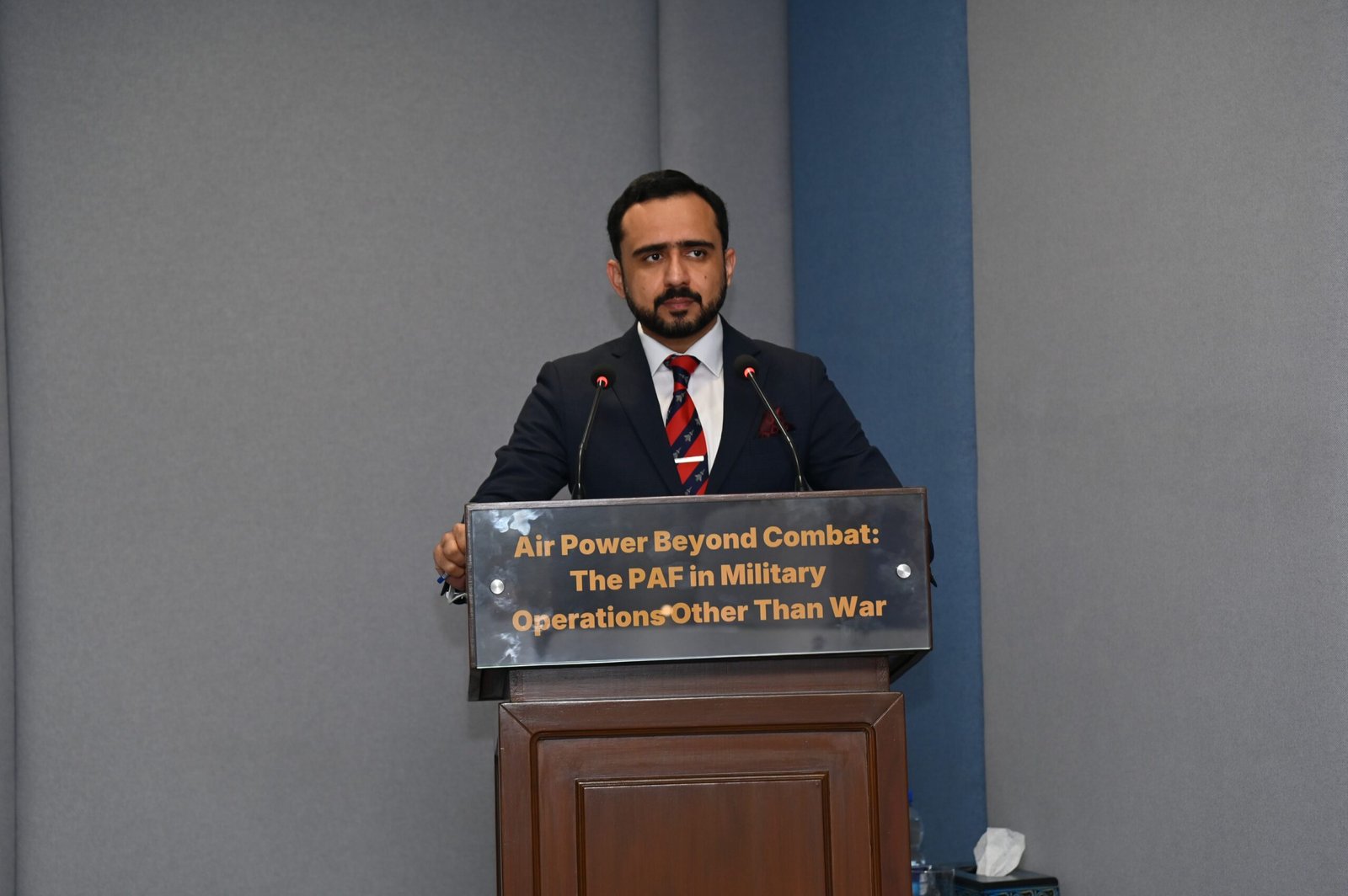
Event Coordinator
Mr Ameer Abdullah Khan
Senior Research Associate, CASS Lahore
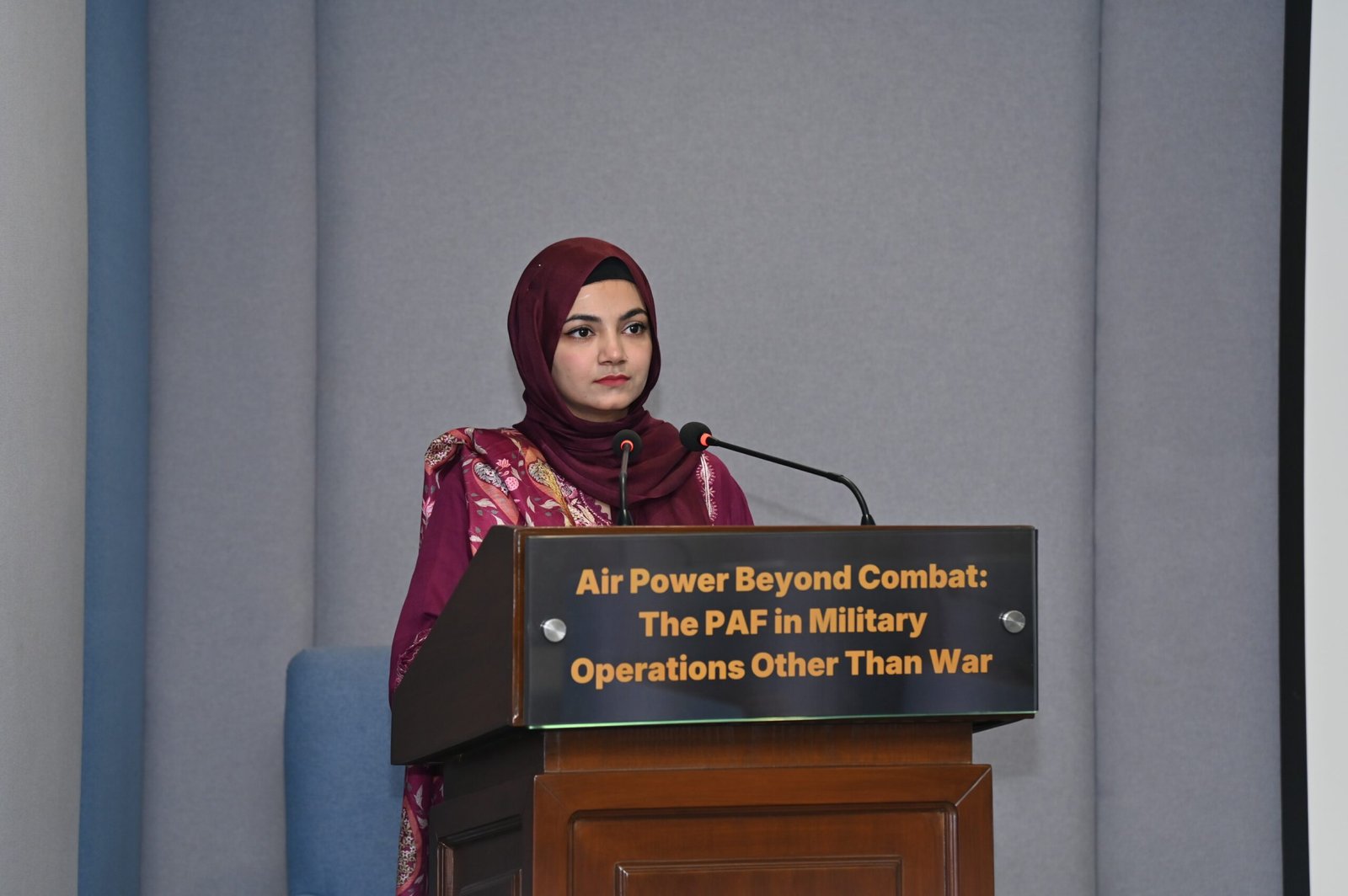
Master of The Ceremony
Ms Maheera Munir
Research Assistant, CASS Lahore
CASS LAhore

The Centre for Aerospace & Security Studies (CASS) was established in July 2021 to inform policymakers and the public about issues related to aerospace and security from an independent, non-partisan and future-centric analytical lens.
CASS Newsletter

@2025 – All Right Reserved with CASS Lahore.

- Home
- About Us
- Research Domains
- Publications
- Events
- Gallery
- Contact Us
@2021 - All Right Reserved. Designed and Developed by PenciDesign