


Seminar
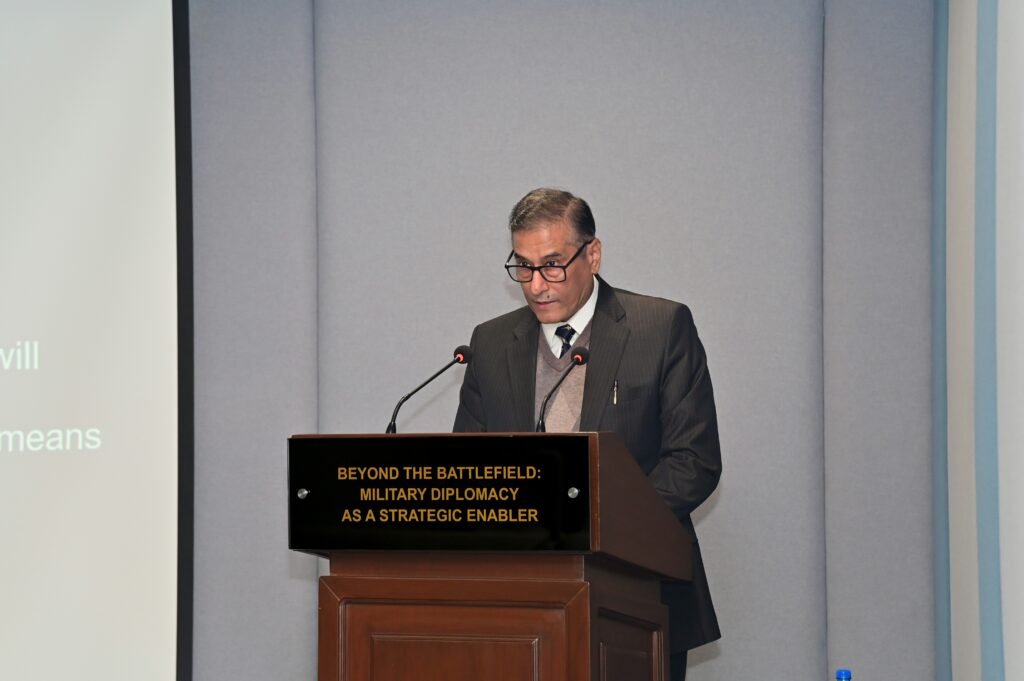
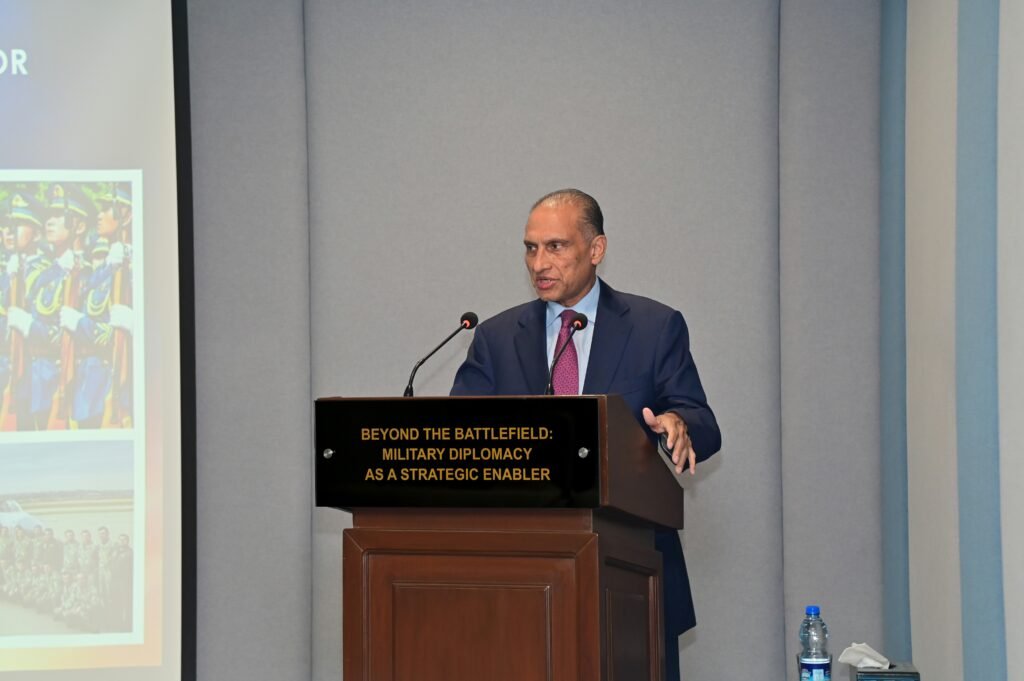
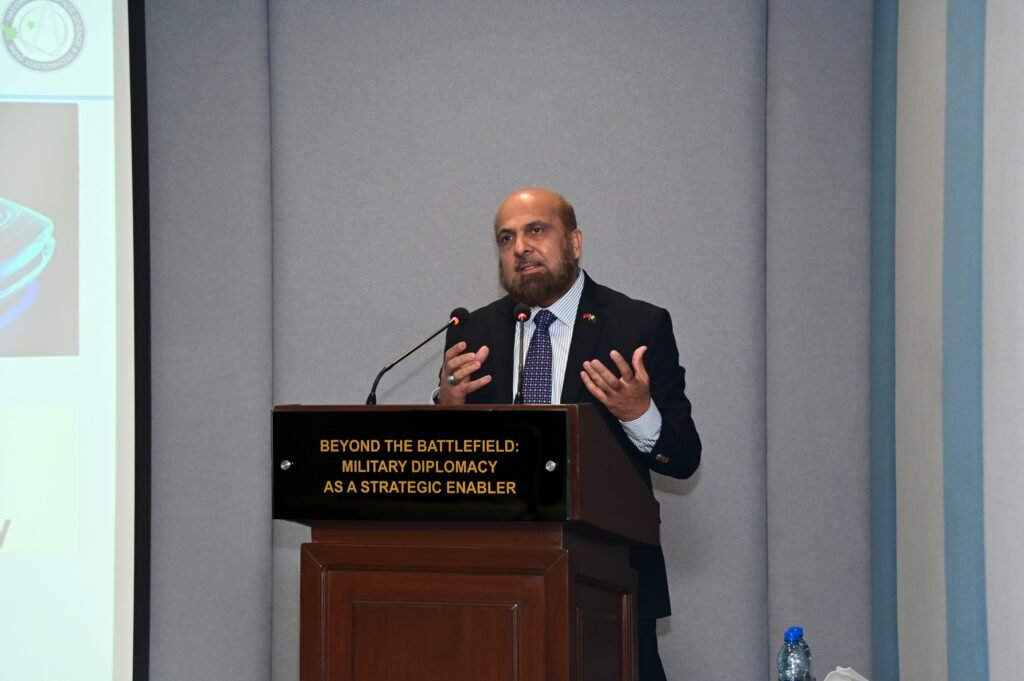
Beyond the Battlefield: Military Diplomacy as a Strategic Enabler
December 03, 2025
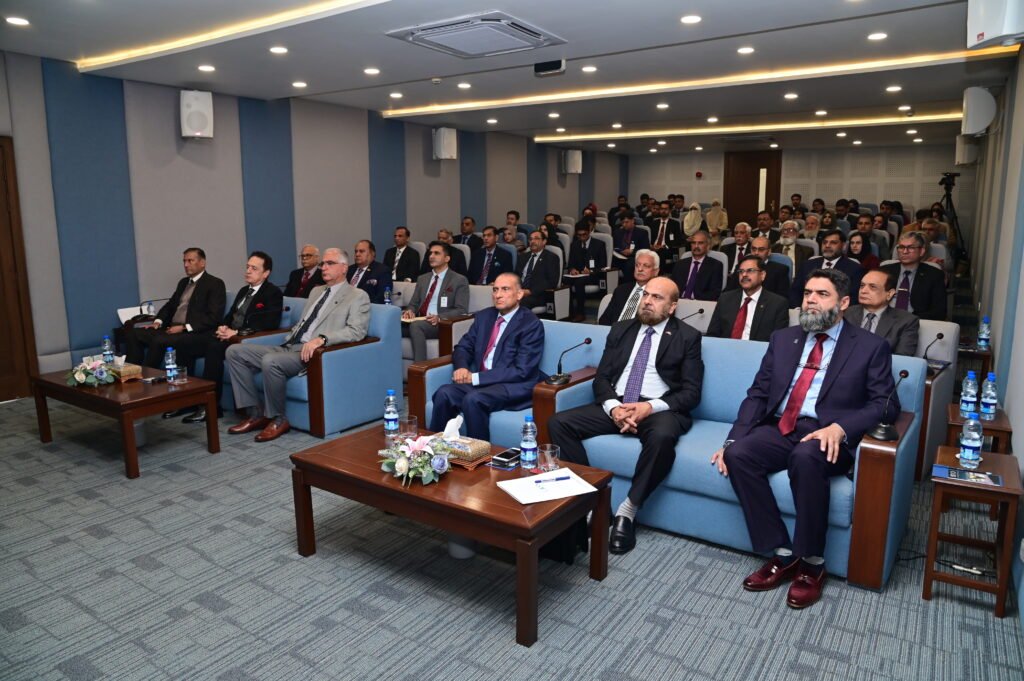
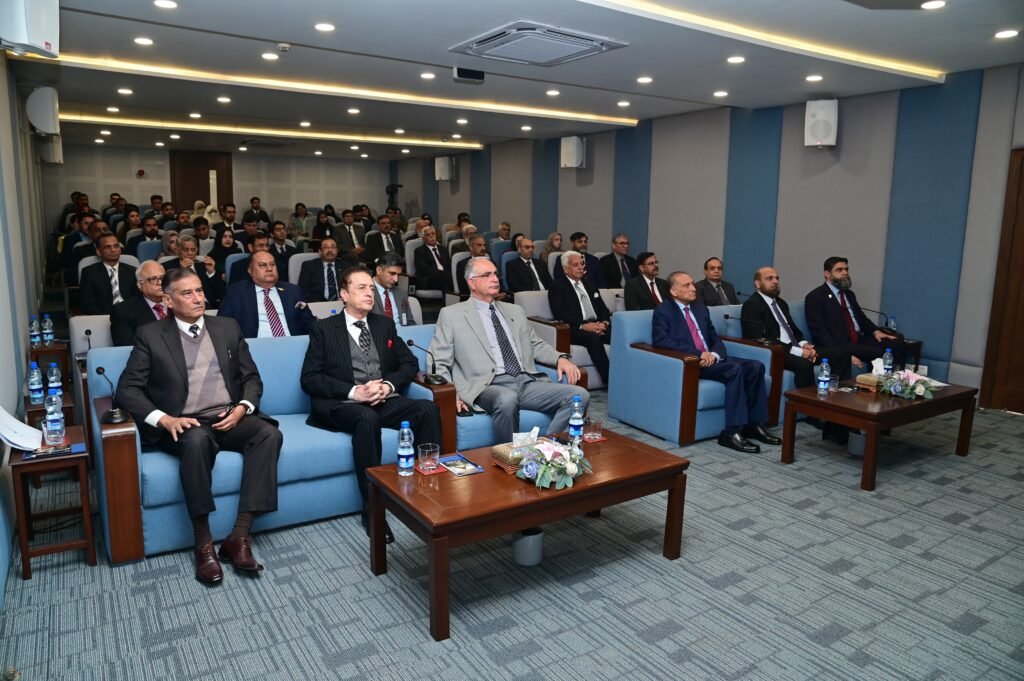
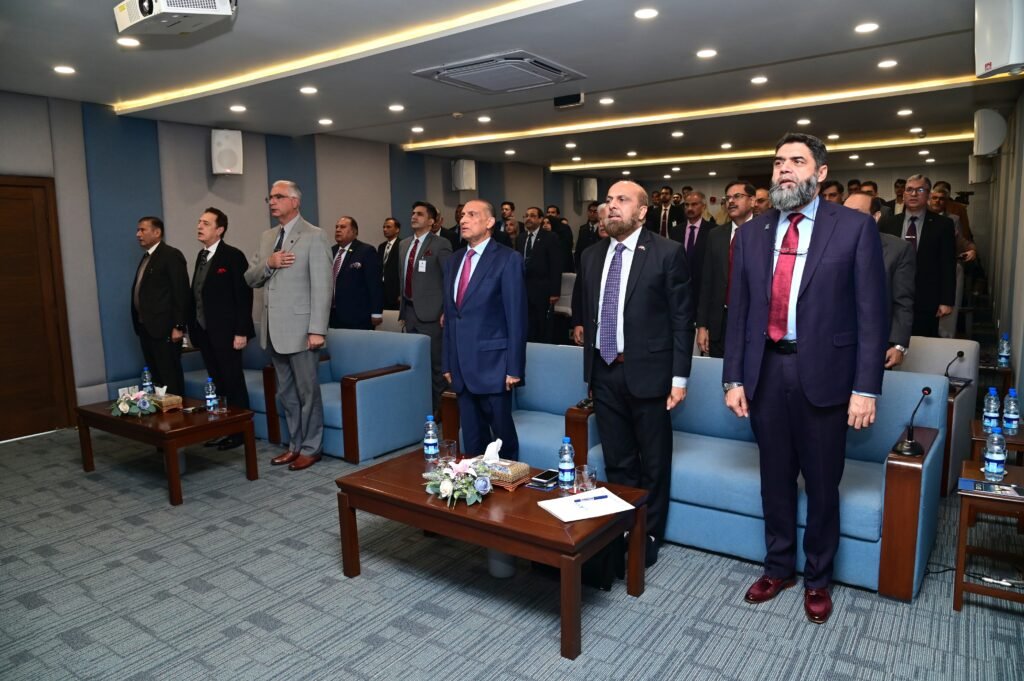
The seminar examined military diplomacy as a core instrument of Pakistan’s contemporary statecraft, highlighting the Pakistan Air Force’s role in leveraging non-combat military instruments to strengthen partnerships, enhance technological credibility, and expand Pakistan’s diplomatic space in an increasingly complex and interdependent global order.
About The Event
Military diplomacy has emerged as an indispensable instrument of statecraft in the contemporary international system, where traditional diplomacy increasingly intersects with security imperatives. It entails the use of armed forces in non-combat roles—through joint exercises, training, defence exports, and strategic cooperation—to advance foreign policy objectives, foster mutual trust, and build long-term partnerships.
The armed forces of Pakistan have historically functioned as a vital conduit of military diplomacy, projecting professional excellence while enhancing the country’s strategic profile. Under the leadership of Field Marshal Asim Munir, Air Chief Marshal Zaheer Ahmed Babar Sidhu, and Admiral Naveed Ashraf, this role has been significantly elevated. The armed forces have spearheaded multilateral exercises such as Indus Shield by the PAF, Team Spirit by the Pakistan Army, and naval exercise AMAN by the Pakistan Navy, which serve as platforms for confidence-building and interoperability with friendly countries. At the same time, the export of indigenously developed systems, the JF-17 Thunder and other systems, has reinforced Pakistan’s standing as a credible defence producer, while initiatives such as NASTP and Defence Expo have deepened the country’s engagement with brotherly states across Asia, the Middle East, and Africa. Collectively, these efforts highlight the important role of the Armed Forces within Pakistan’s broader diplomatic framework.
Military diplomacy, therefore, transcends mere tactical cooperation; it operates as a mechanism of soft power projection, a symbol of technological self-reliance, and an enduring pillar of Pakistan’s foreign policy in an era defined by complex interdependence and shifting power dynamics.
Pakistan Air Force has historically contributed significantly to the country’s military diplomacy. In this context, the Centre for Aerospace & Security Studies (CASS), Lahore, organised this national seminar to examine how military diplomacy serves as a key enabler of Pakistan’s strategic objectives in the evolving global order. Titled “Beyond the Battlefield: Military Diplomacy as a Strategic Enabler,” the seminar aimed to foster a focused discussion and further advance the role of the Pakistan Air Force in support of foreign policy, strengthening partnerships, and projecting national power through non-combat means.
Key Takeaways
- Military Diplomacy as a Force Multiplier
Pakistan’s military diplomacy has expanded foreign-policy options, strengthened long-term partnerships, and enhanced regional standing and credibility with major powers, including the US, China, and Gulf states.
- Calibrated Deterrence and Strategic Signalling
Measured use of military diplomacy, combined with operational restraint and capability demonstration, reinforces deterrence, influences adversary behaviour, and stabilises regional dynamics without escalation.
- NASTP as a National Initiative
NASTP is a national initiative that channels aerospace technology to sovereignty and economic self-reliance, with the PAF prioritising indigenous aerospace, UAV, cyber and space capabilities to enhance security and lessen foreign dependence.
- Holistic Human Capital and Youth Development
NASTP invests heavily in nurturing talent through STEM programs, aerospace incubators (NICAT), youth innovation ecosystems (Siber Koza), and partnerships with universities and international institutions, aiming to harness Pakistan’s demographic dividend.
- Integration of Academia, Industry, and Government
NASTP connects research, industry and government to develop indigenous aerospace, drone, cyber and space capabilities that bolster sovereignty, economic growth and security while cutting reliance on foreign suppliers.
- Exercises and Air Shows as Strategic Instruments
International exercises and global air shows function as strategic instruments through which the PAF builds partnerships, enhances visibility, projects professionalism, and shapes perceptions, thereby opening avenues for defence cooperation, market access, and a stronger diplomatic footprint.
- Transformation of Air Power Thinking
The post-2021 era, under ACM Zaheer Ahmed Baber Sidhu, marked a decisive shift towards multi-domain approaches that sought to align PAF doctrine, structure, and capability with contemporary global benchmarks.
- Marka-e-Haq and the Reassertion of Relevance
Operation Marka-e-Haq demonstrated the success of doctrinal evolution and repositioned the PAF as a relevant and studied air force, drawing renewed attention from partners in both the East and the West.
Policy Considerations
- Institutionalise Military Diplomacy
Pakistan must embed military diplomacy as a core instrument of foreign policy, ensuring coherence with political, economic, and strategic objectives while avoiding ad hoc application.
- Leverage Defence Industry and Technological Cooperation
Pakistan should leverage indigenous defence production and co-development as an instrument of military diplomacy, selectively aligning them with regional dynamics to advance economic growth, strengthen partnerships, and balance deterrence with influence projection.
- Strengthen Indigenous R&D and Intellectual Property
Pakistan needs to draft policies that prioritise domestic development of critical technologies and safeguard IP, ensuring that Pakistan retains sovereign control over key military and dual-use systems.
- Expand Public-Private Partnerships and Innovation Ecosystems
Pakistan must encourage structured engagement between the private sector, startups, and academia to enhance industrial capabilities, generate economic growth, and provide career pathways for skilled youth.
- Integrate Advanced STEM Education Nationally
Pakistan should institutionalise nationally coordinated programmes in aerospace, artificial intelligence, robotics, and cybersecurity across universities and technical institutes to generate a sustained pipeline of industry-ready talent aligned with NASTP’s strategic and technological objectives.
- Develop Scalable National-Level Technology Platforms
Pakistan must institutionalise frameworks to extend NASTP’s technological solutions to civil applications, national disaster management, agriculture, and urban infrastructure, ensuring broad societal impact beyond defence.
- Reinvigorate Doctrinal Evolution and Multi-Domain Thinking
The PAF must continue embedding a system-wide view of air power that integrates cyberspace, electronic warfare, space, and information effects to strengthen operational relevance.
- Protect Critical Knowledge and Capabilities
Doctrinal sharing must remain selective and controlled to safeguard national advantage while ensuring that military diplomacy remains mutually beneficial rather than extractive.
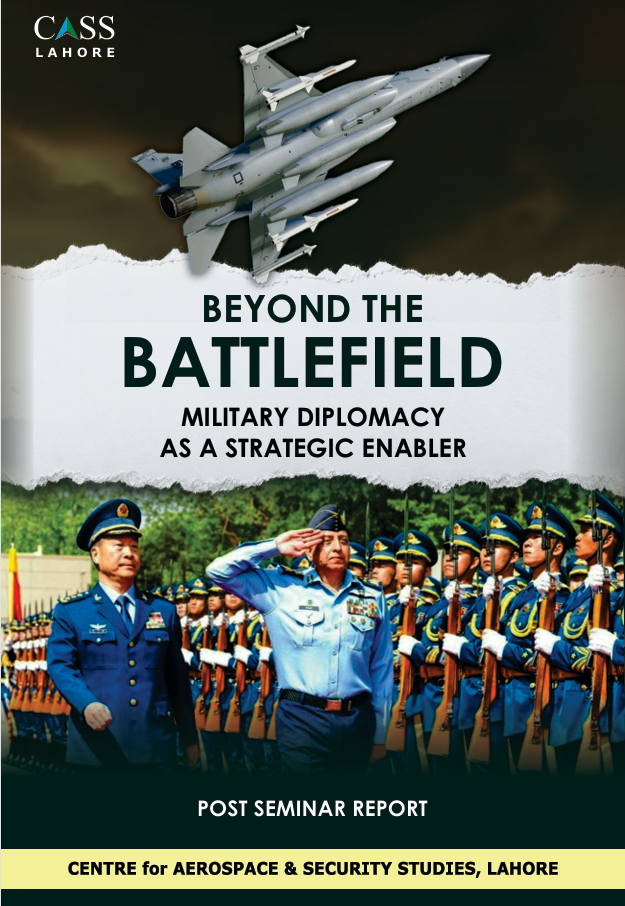

Post Event Report
A comprehensive report capturing expert analyses, strategic insights, key recommendations, media coverage, and event highlights.
Guest Speakers
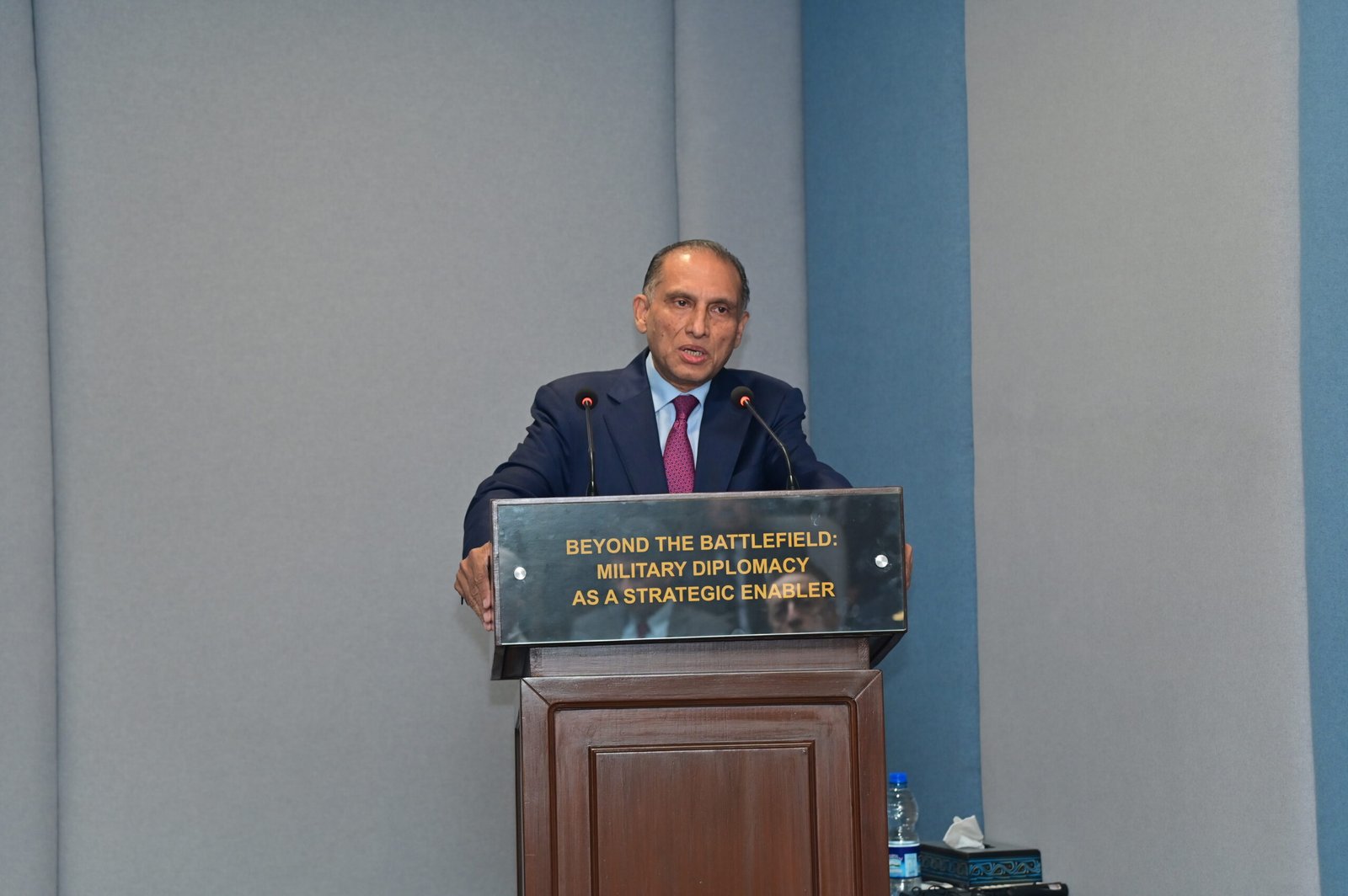
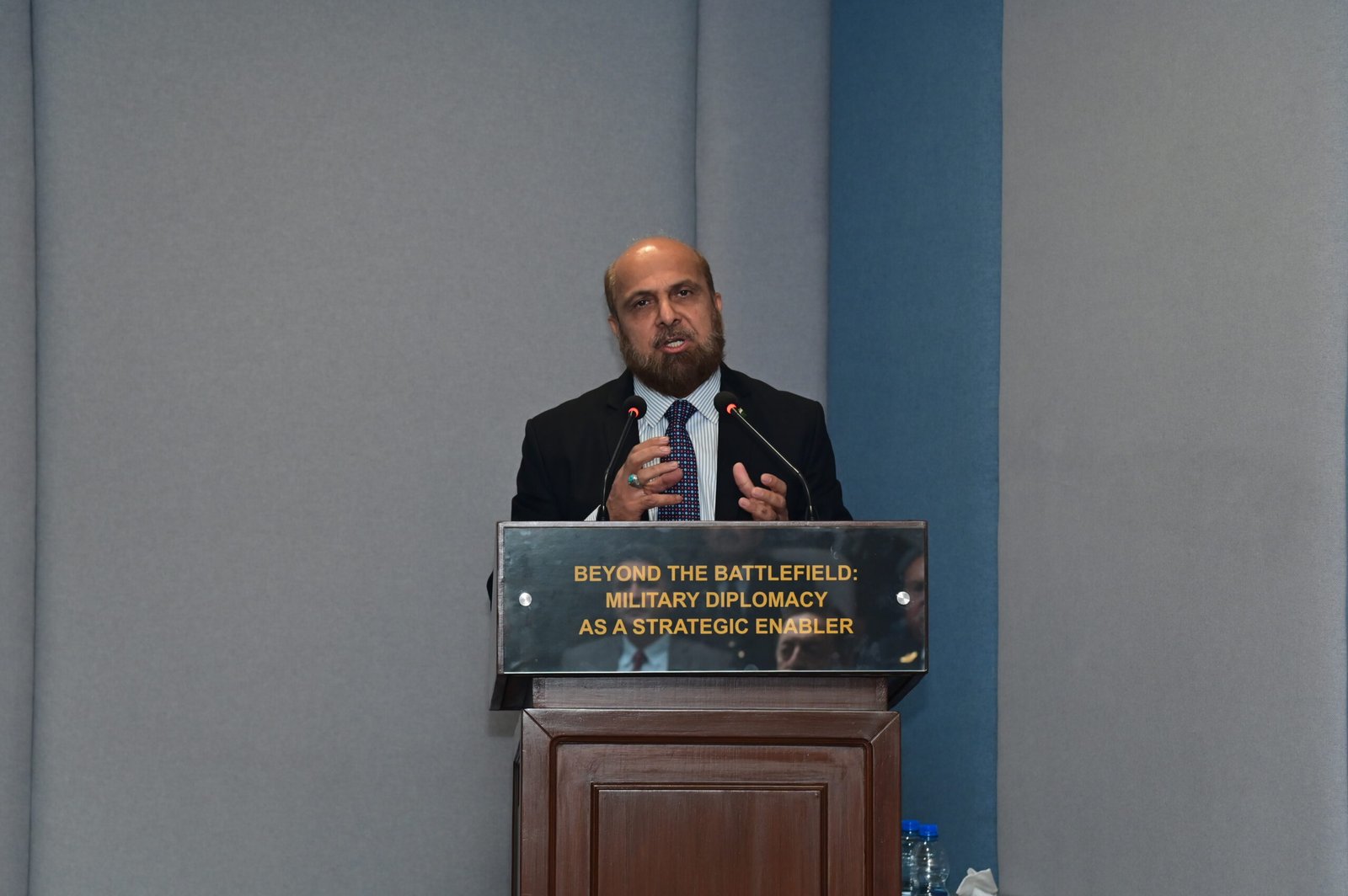
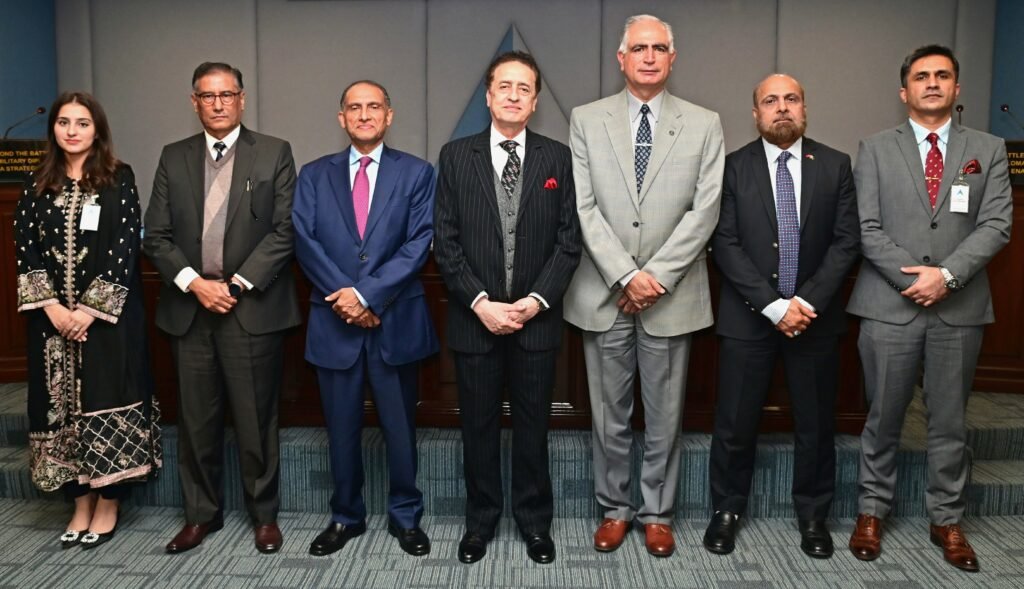
Ambassador Aizaz Ahmad Chaudhry
Former Foreign Secretory
Ambassador Aizaz Ahmad Chaudhry is Chairman of the Sanober Institute in Islamabad, an independent voice on global and strategic issues relevant for Pakistan. He has a 37-year-long career in the Foreign Service of Pakistan, rising to the rank of Foreign Secretary. Mr. Chaudhry’s last diplomatic assignment was as Ambassador of Pakistan to the United States of America.
He has also served as Ambassador of Pakistan to the Netherlands, Foreign Office Spokesman, Deputy Permanent Representative of Pakistan to the United Nations in New York, and Director General of South Asia in the Foreign Ministry.
During his career, he remained closely associated with the India-Pakistan peace process as well as relations with the United States.
After retirement, he served as the Director General of the Institute of Strategic Studies Islamabad for over four years.
Ambassador Chaudhry has authored five books, including his memoir: Diplomatic Footprints. His latest book published in September 2025 is: Pakistan-India Relations: Fractured Past, Uncertain Future.
He also contributes research and opinion articles published at home and abroad.
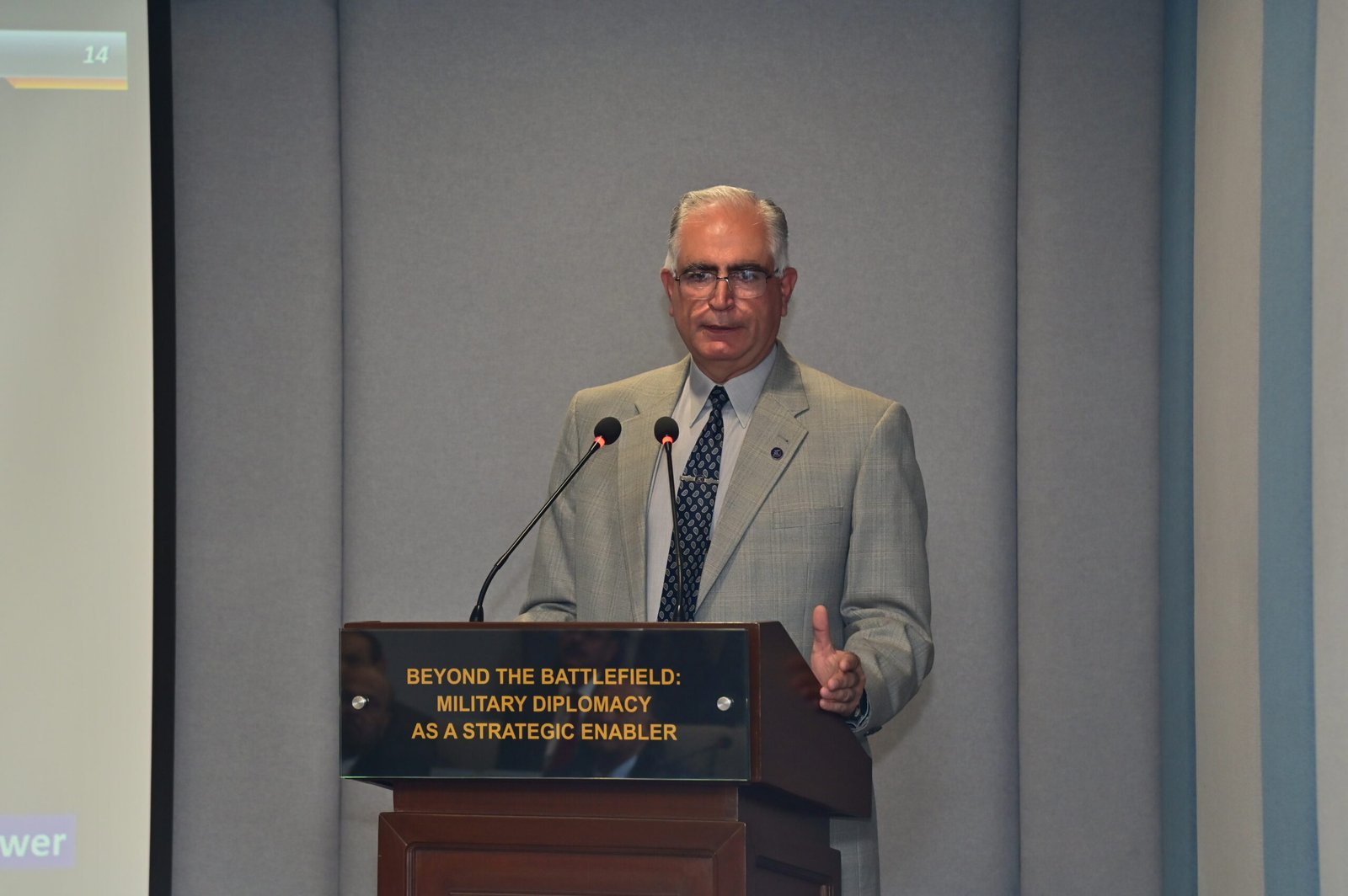
Air Marshal Abdul Moeed Khan (Retd) HI(M), SI(M), TI(M)
Vice Chancellor, Air University, Islamabad
Air Marshal Abdul Moeed Khan was commissioned in the GDP Branch of the Pakistan Air Force in 1989. A distinguished graduate of the Combat Commanders’ School, he has also completed professional military education at the Air War College, Karachi, and the Air War College, Alabama, United States. He holds a Master’s degree in Strategic Studies.
Over the course of his career, Air Marshal Moeed has held numerous key command and staff appointments. His senior leadership roles include serving as Deputy Chief of the Air Staff (Air Defence) and (Operations), and as Director General for Security, Welfare & Rehabilitation, and Air Operations. His extensive operational and instructional experience is underpinned by his command of a fighter squadron, a military training wing, and the Combat Commanders’ School at PAF Base Mushaf. He has also served as the Commandant of the College of Flying Training at PAF Academy Asghar Khan and as Air Officer Commanding, Northern Air Command.
Currently serving as the Vice Chancellor of Air University, Islamabad, Air Marshal Moeed continues to contribute to the intellectual and strategic development of the PAF. In recognition of his exemplary service and dedication, he has been decorated with the Hilal-e-Imtiaz (Military), Sitara-e-Imtiaz (Military), and Tamgha-e-Imtiaz (Military).
Air Vice Marshal Dr Liaquat Ullah Iqbal SI(M)
Director General Public Relations & Centre for Professional Development at National Aerospace Science & Technology Park
AVM Dr Liaquat Ullah Iqbal hails from the GD(P) Branch of Pakistan Air Force. He joined PAF in 1987 and proceeded to the US Air Force Academy, Colorado, in 1990 after initial training at PMA Kakul and PAF Academy Risalpur, where he earned a BSc Engineering degree in 1994. Later, he attended GIK Institute and Purdue University; he earned Master’s and PhD Degrees in Aeronautics and Astronautics Engineering in 2005 & 2009, respectively, in Aircraft Design from Purdue University. He has taught as Faculty in the IAA Air University, Islamabad, and as Professor & HoD in the College of Aeronautical Engineering, NUST. His professional military career comprises 2000 flying hours on various operational types of PAF Aircraft, founding Director UAV Operations at the AHQs and various other command and staff appointments. He has the singular distinction in 75 years’ national history of Pilots Branch of PAF to have earned all three degrees (Bachelors, Masters & PhD) from the USA. He is also the highest-ranked and first-ever USAFA Graduate Pilot in the Pakistan Air Force at the rank of Air Vice Marshal. Given his diverse multi-services & multi-national military and academic credentials and accomplishments, PAF leadership appointed him as the founding Chief Project Director & CEO of the Project of strategic national importance called NASTP. As founding CPD and CEO, AVM Dr Liaquat has achieved extraordinary success by establishing a national-level aerospace cluster as well as three major regional techno-parks in Pakistan’s cosmopolises and several university-level techno parks, with national and international partners. He has overall led an extremely uphill task of development and operationalisation of aerospace clusters, special technology zones and techno-parks, at magnitude, complexity and scale, never attempted in the history of the country. He currently serves in NASTP as DG PR & CPD with portfolios of public outreach, Policy formulation and as custodian of the NASTP Concept & Technology Development Roadmaps, as well as a permanent member of the NASTP Advisory Board to the Chief of the Air Staff, Pakistan Air Force. He was awarded Sitara-e-Imtiaz Military in 2023 in recognition of meritorious and distinguished service to the country.
Event Chair
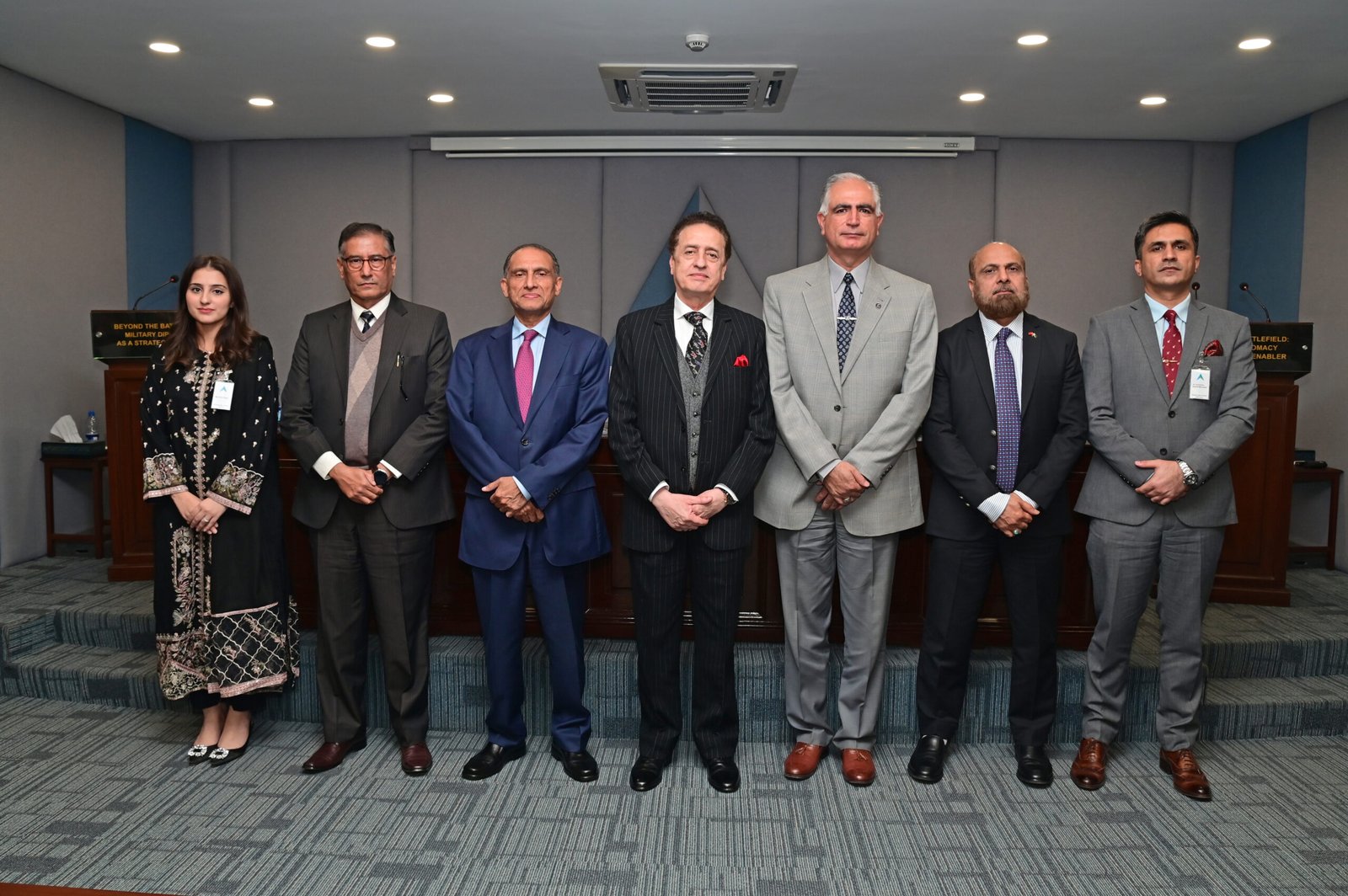
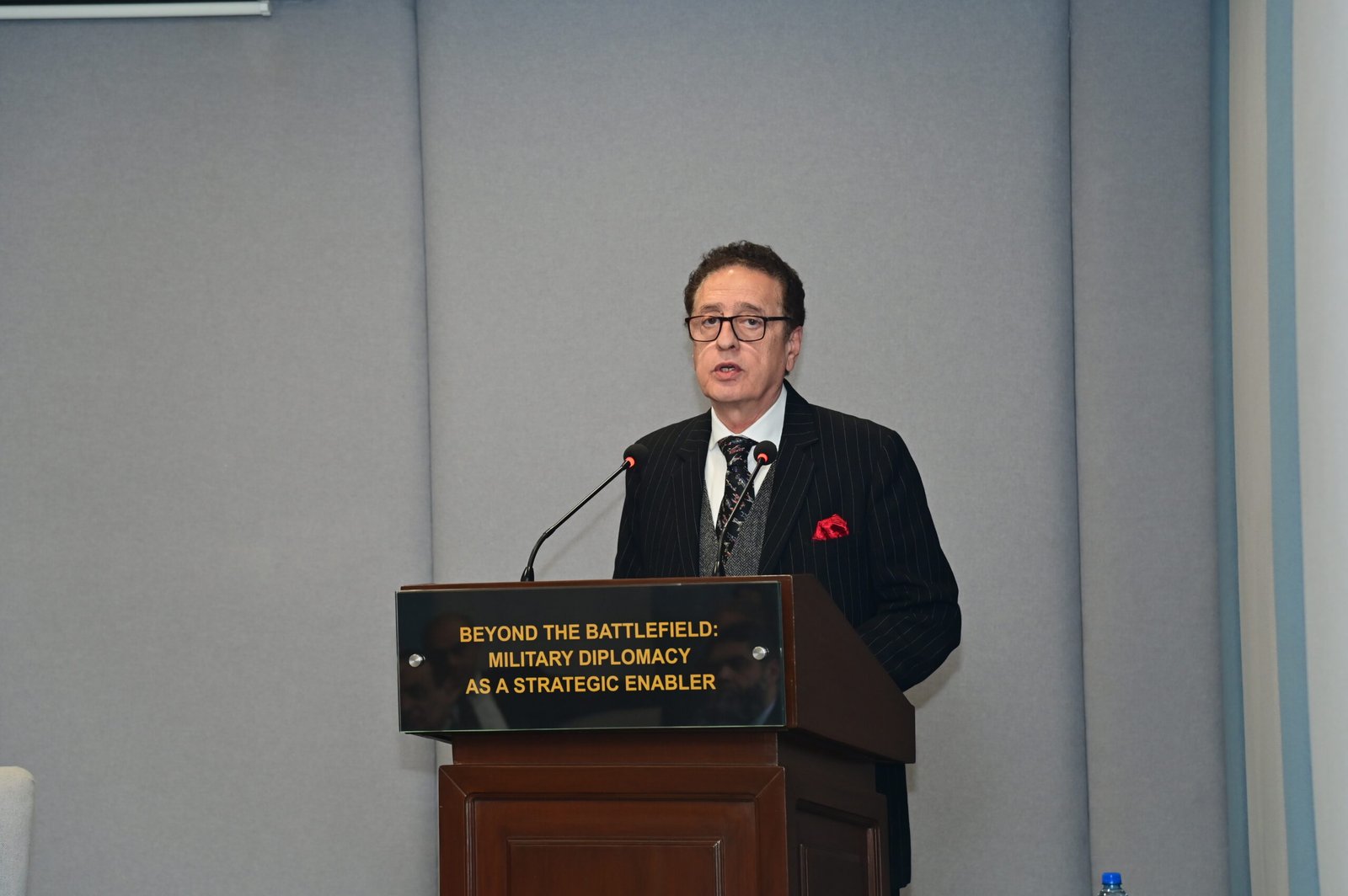
Air Marshal Asim Suleiman (Retd)
President CASS, Lahore
Event Coordinator
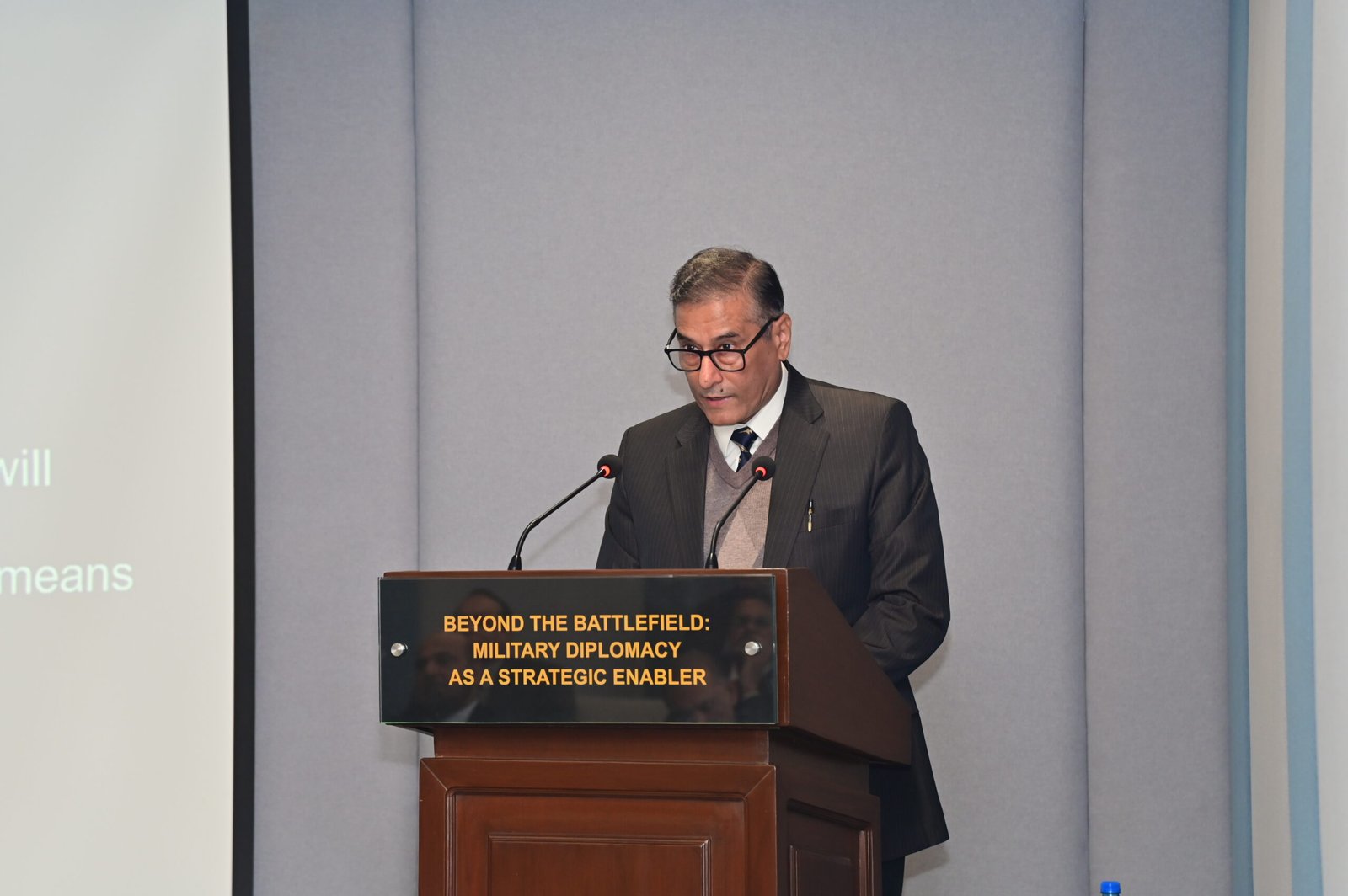
Air Marshal Irfan Ahmad (Retd)
Director Doctrine and Warfare, CASS Lahore
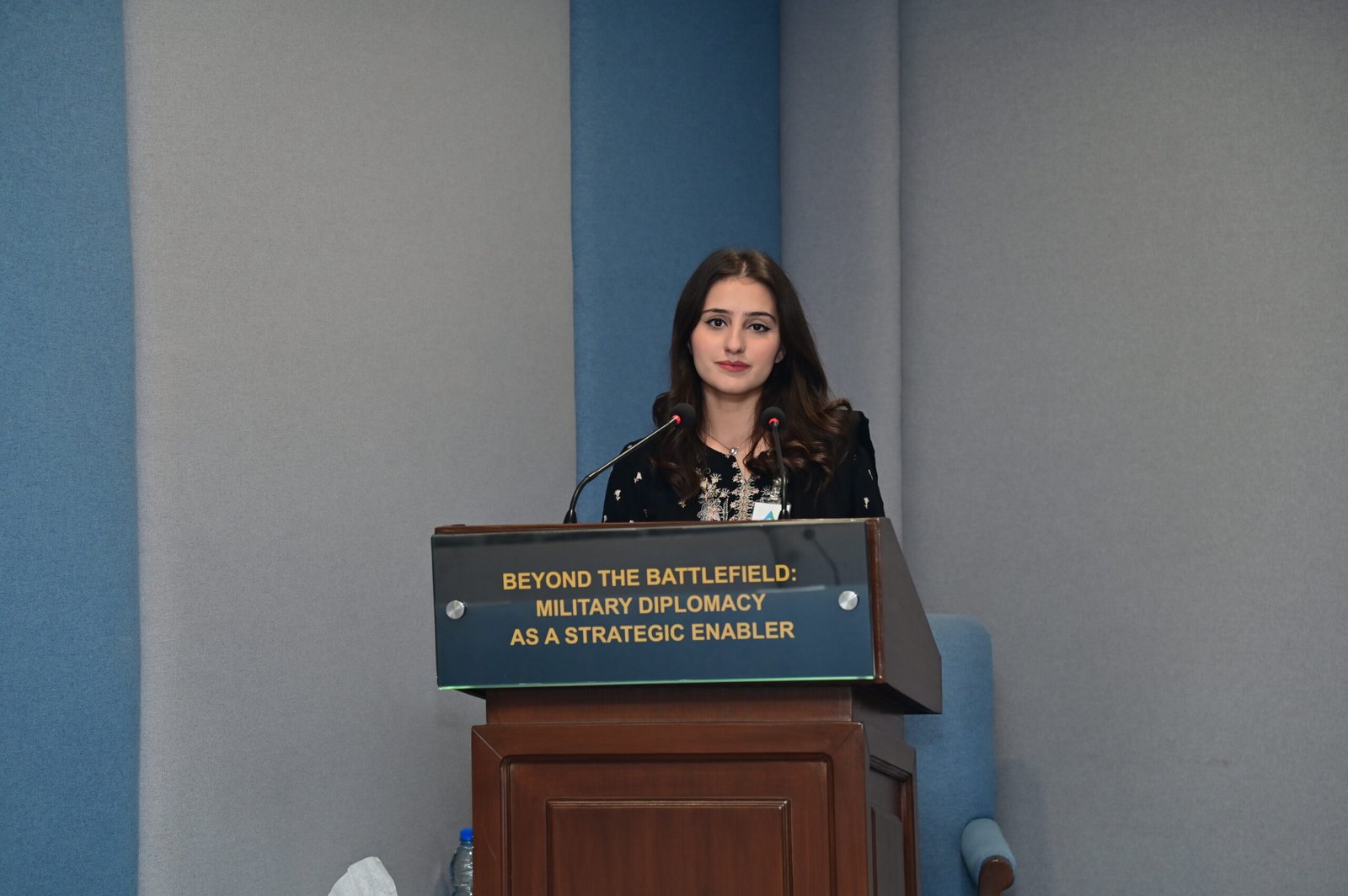
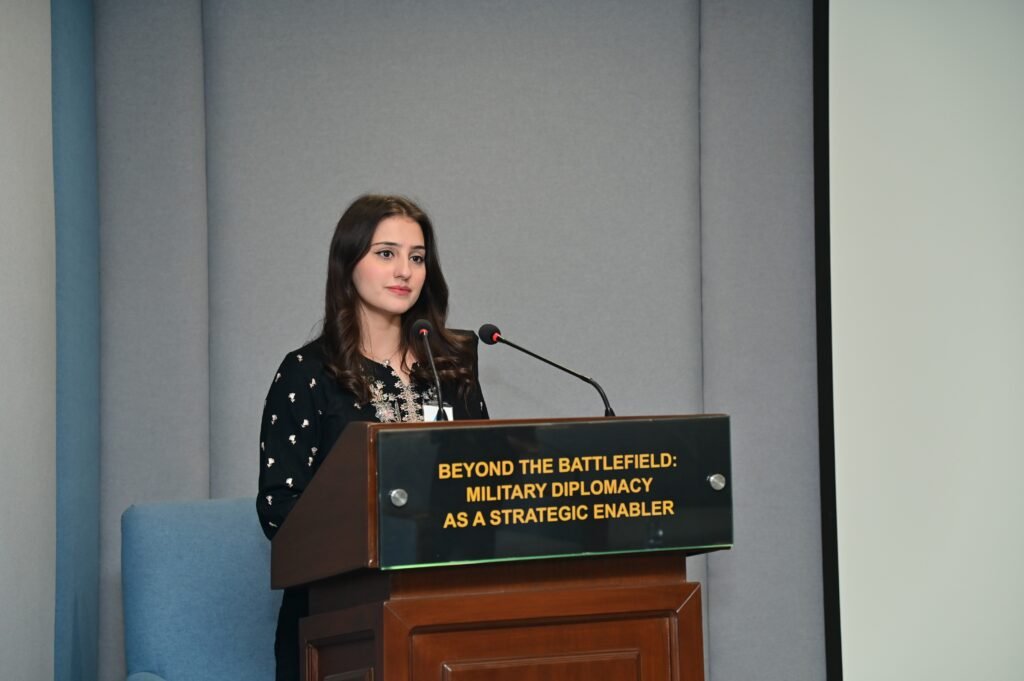
Master of The Ceremony
Ms Faiza Abid
Research Assistant, CASS Lahore
CASS LAhore

The Centre for Aerospace & Security Studies (CASS) was established in July 2021 to inform policymakers and the public about issues related to aerospace and security from an independent, non-partisan and future-centric analytical lens.
CASS Newsletter

@2025 – All Right Reserved with CASS Lahore.

- Home
- About Us
- Research Domains
- Publications
- Events
- Gallery
- Contact Us
@2021 - All Right Reserved. Designed and Developed by PenciDesign