


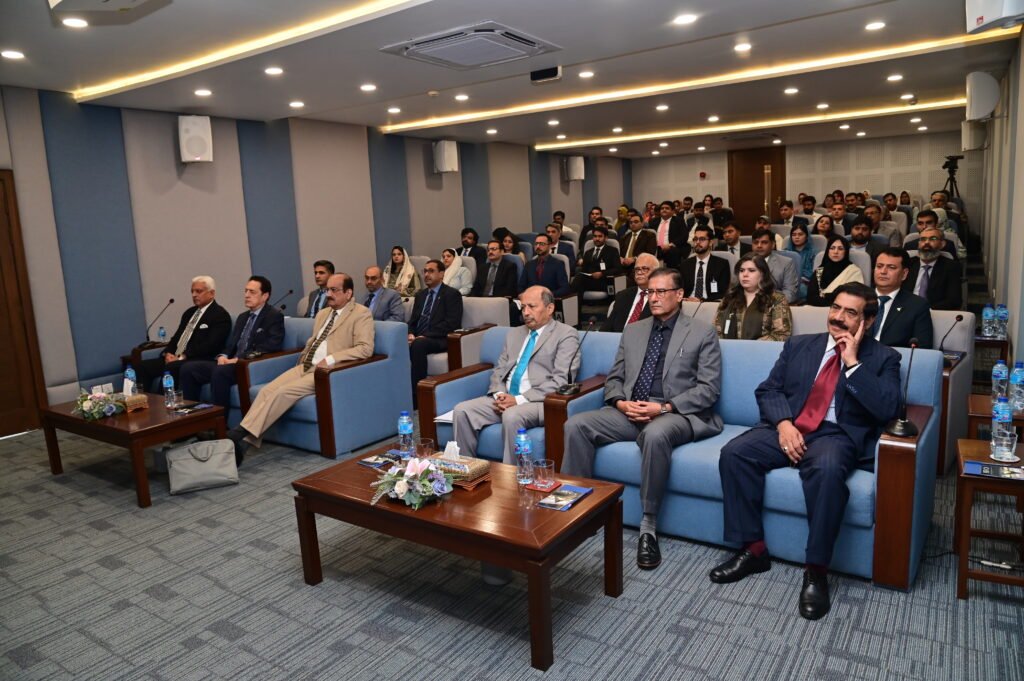
Seminar
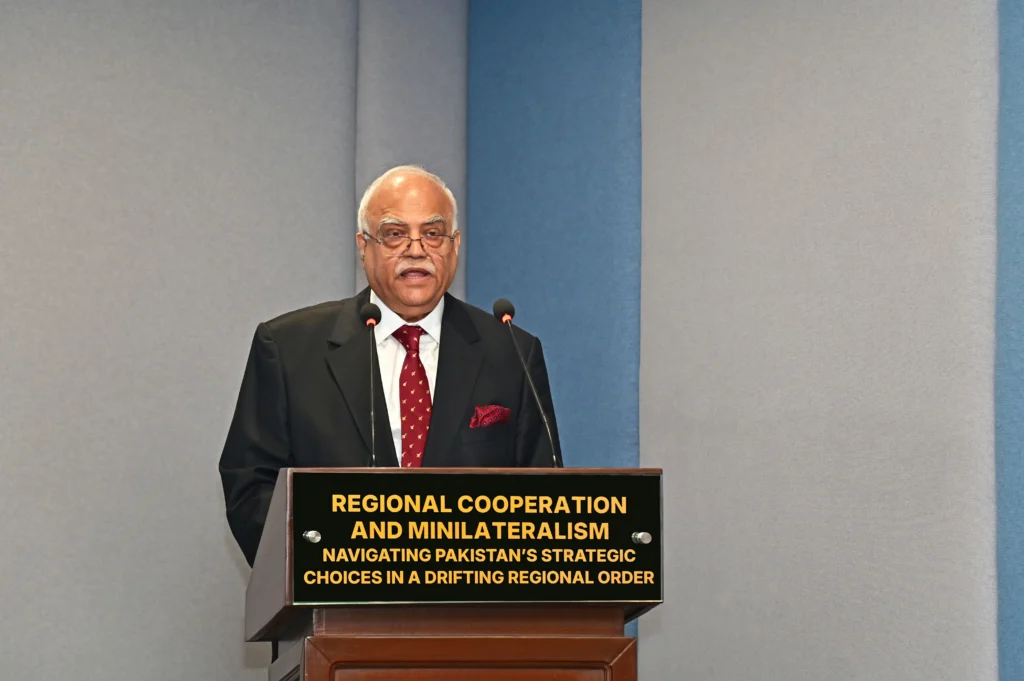
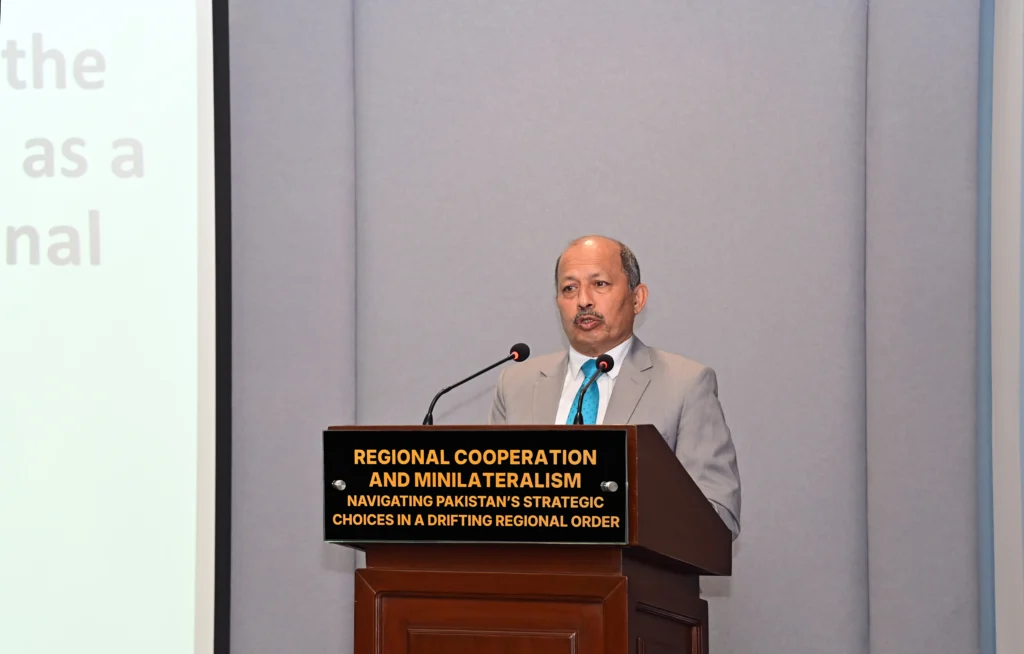
Regional Cooperation and Minilateralism: Navigating Pakistan’s Strategic Choices in a Drifting Regional Order
October 23, 2025
The seminar assessed Pakistan’s strategic choices in a drifting regional order, highlighting minilateralism as a flexible tool to expand partnerships, boost connectivity, and strengthen the country’s diplomatic and economic options.
About The Event
Regional cooperation is vital for peace and prosperity in South Asia. With bilateral relations between India and Pakistan practically frozen, and given the moribund status of SAARC, minilateralism offers a useful tool for cooperation with other countries in South Asia, as also in the broader region. Minilateralism is a relatively new approach where a small group of like-minded countries cooperate to achieve the desired goals of peace, security, and development. In principle, it complements bilateral or multilateral approaches. It offers additional space for diplomatic manoeuvres.
The global and regional geopolitical landscape is undergoing a profound transformation. In a fractured global order, power is increasingly substituting principles. The great power dynamics are also impacting the power equations in South Asia. Pakistan’s remarkable victory, led by the PAF, in Marka-e-Haq has led to a turnaround in Pakistan’s international credibility and image. On the other hand, India’s global profile seems to have fallen on hard times, especially after the four-day war. The over two-decade-old US-India bonhomie is under stress as a result of heavy tariffs imposed by the Trump administration. Pakistan’s strategic partnership with China and the recent upturn in Pakistan-US relations open new avenues.
In our region, following the exit from office of the former Prime Minister of Bangladesh, Sheikh Hasina, the relationship between Bangladesh and Pakistan is on the mend. Common mistrust of India is also spurring these ties. China is enhancing its diplomatic and economic footprint in South Asia and has already created two minilateral (Trilateral) forums, one involving Pakistan and Bangladesh, and the other with Pakistan and Afghanistan. Pakistan is also engaged in a three-way cooperative mechanism with Turkiye and Azerbaijan. Phase II of CPEC envisages the inclusion of Afghanistan and the extension of connectivity to Central Asia.
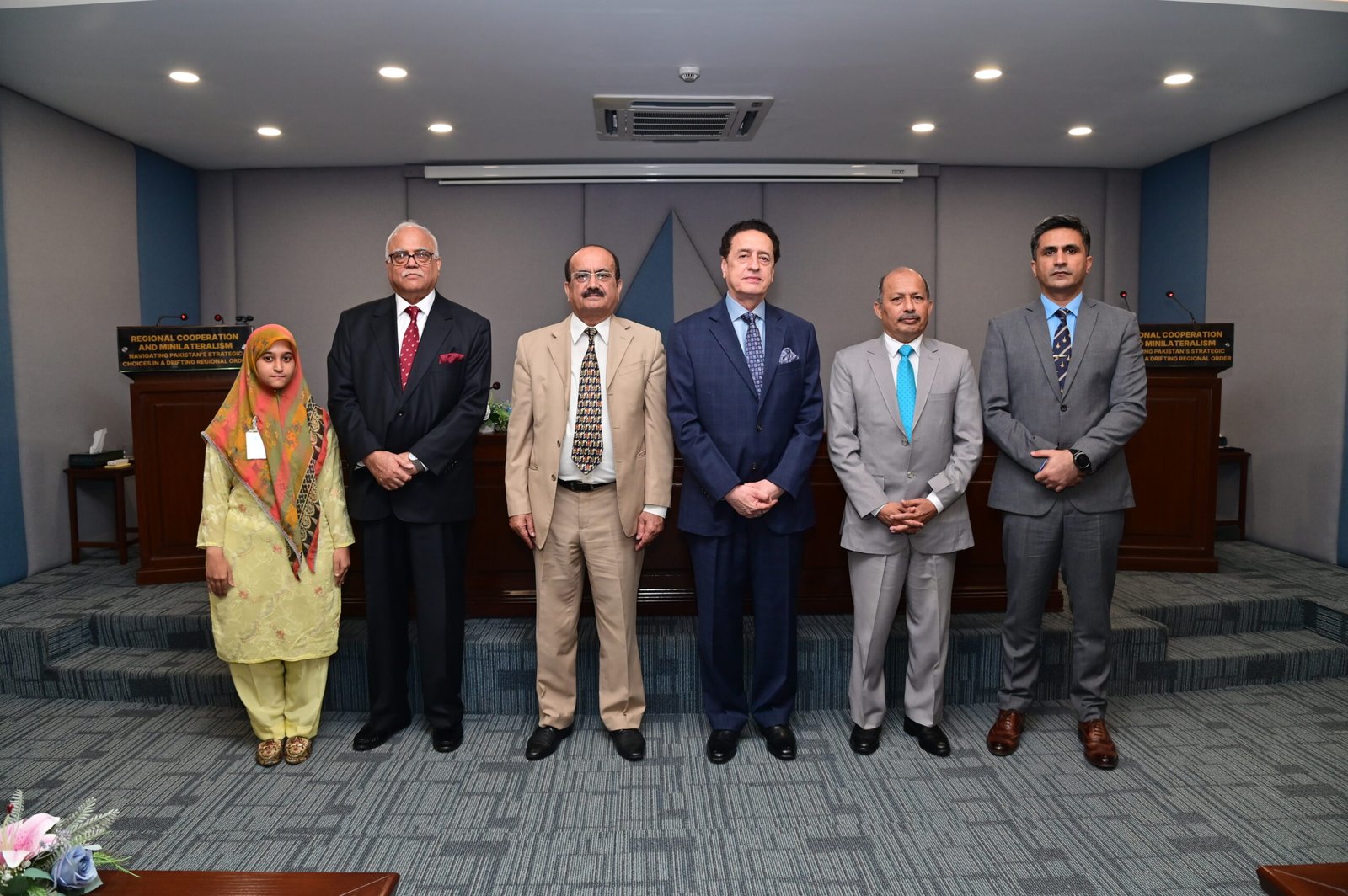
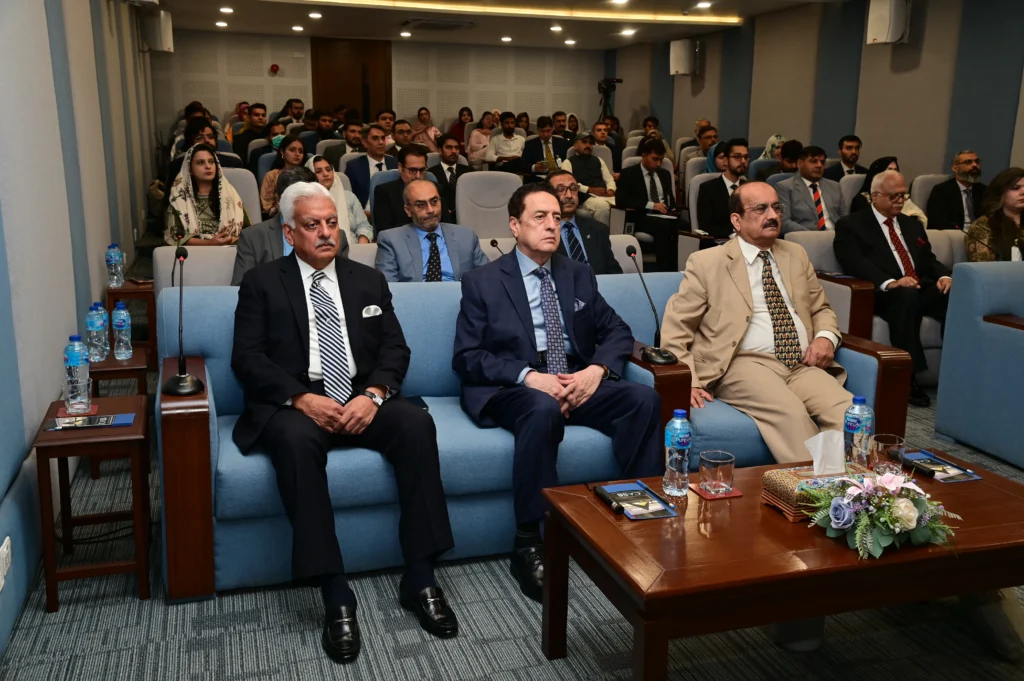
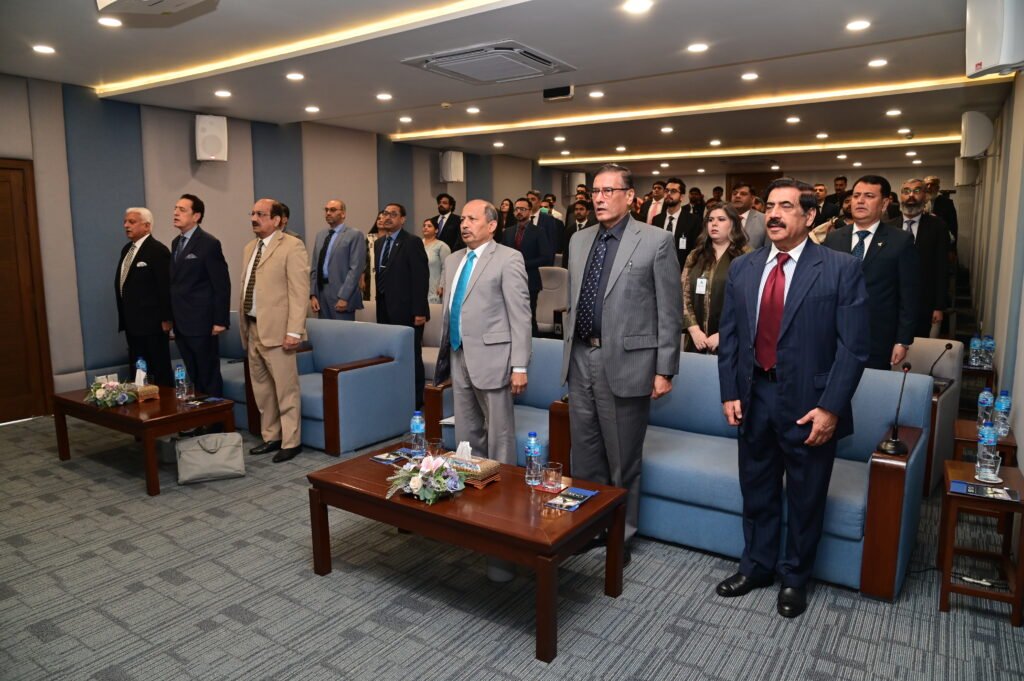
This report presents the expert insights shared during the seminar titled “Regional Cooperation and Minilateralism: Navigating Pakistan’s Strategic Choices in a Drifting Regional Order”, held in the Centre for Aerospace and Security Studies, Lahore on October 23, 2025.
Key Takeaways
- Shift of Balance of Power from the West to the East
There is an irreversible shift in the global balance of economic and political power, away from the West to the East. The US decline is irreversible, and China’s technological rise is unstoppable. China has become a scientific superpower.
- Minilateralism: A Realistic Pathway
Minilateralism offers a realistic path for the pursuit of regional cooperation as multilateral arrangements are blocked by countries having vested interests.
- Pakistan’s Victory: Emergence as a Muslim Middle Power
Pakistan’s decisive victory in the May War, led by the PAF, has immensely enhanced Pakistan’s credibility and influence in five capitals, namely, Beijing, Riyadh, Tehran, Washington, and Moscow. It has allowed Pakistan to transition from being a South Asian power to a Muslim middle power. It has emerged as a net security provider in the broader Muslim world.
- SMDA: a Ground-breaking Pact
The Strategic Mutual Defence Agreement between Pakistan and Saudi Arabia is a ground-breaking pact with far-reaching positive implications for both countries, especially in the area of next-generation defence production, training, and economic, commercial, and investment ties.
- Anti-India Trend in South Asia
In South Asia, smaller countries have begun to assert themselves. They are rejecting Indian hegemony. The anti-India trend is visible. For the first time, India is isolated in its own region.
- China: De Facto Part of South Asia and a Party to the Kashmir Dispute
Today, China is a de facto part of South Asia and is a party to the Kashmir dispute due to India’s machinations and abrogation of Article 370.
- Minilateral Initiatives by China
China has undertaken some minilateral initiatives in South Asia, including Pakistan and Bangladesh, as well as Pakistan and Afghanistan. A SAARC-like organisation, including China and minus India, is conceivable.
- Extension of CPEC to Afghanistan and Central Asia
The planned extension of CPEC to Afghanistan and Central Asia, under its second phase, aligns with the spirit of minilateralism, enhancing much-needed connectivity and economic collaboration. However, the security situation in Afghanistan continues to be a serious hindrance.
Policy Considerations
- Minilateralism: The Way Forward
In our volatile region, Pakistan needs to be more focused on Minilateralism for a pragmatic response in South Asia amid SAARC’s paralysis. Practical minilateral arrangements could potentially include a SAARC-like arrangement with China, minus India; CPEC expanding to Afghanistan and the Central Asian Republics; and a possible Indian Ocean maritime partnership.
- Pakistan Can Shape a New Regional Architecture of Cooperation
Pakistan can help shape a new regional architecture, characterised by strengthened ties with other South Asian countries, deepening engagement with Gulf partners, and expanding connectivity to Central Asia.
- Pakistan: A Potential Connectivity Hub
Pakistan should become a connectivity hub between the Gulf region, Central Asia, the Indian Ocean, and West Asia, through a network of minilateral arrangements, subject to an improved security situation in Afghanistan.
- Need for Modernisation of Border Management
The Government needs to prioritise modernising border management and transit facilitation, which are essential for regional connectivity and economic integration.
- Optimal Utilisation of SMDA and Harnessing Gulf Investments
Pakistan-Saudi Arabia Strategic Mutual Defence Agreement (SMDA) must be optimally utilised. Further, to leverage improved ties with Saudi Arabia and the UAE, focused efforts are required to establish joint ventures, such as refineries, and to ensure a predictable supply of petrochemicals. Concurrently, the Government must upgrade labour mobility to the GCC countries by providing certified technical manpower.
- Create Bankable Projects for Investors
To attract investments for bankable projects, the Government must ensure policy continuity, implement rule-based and investor-friendly processes and regulations, multiply skilled human capital, and ensure investor security.
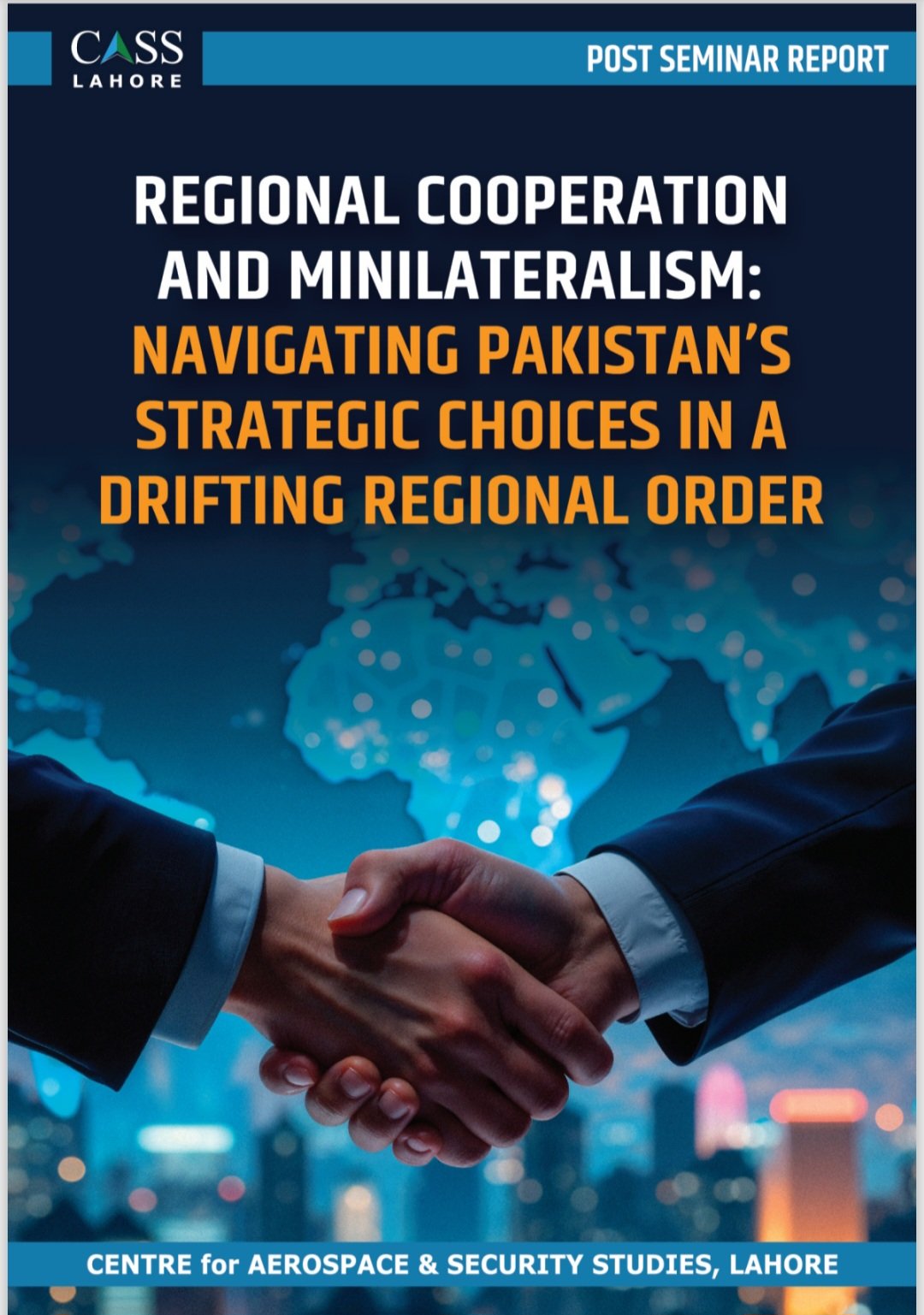

Post Event Report
A comprehensive report capturing expert analyses, strategic insights, key recommendations, media coverage, and event highlights.
Guest Speakers
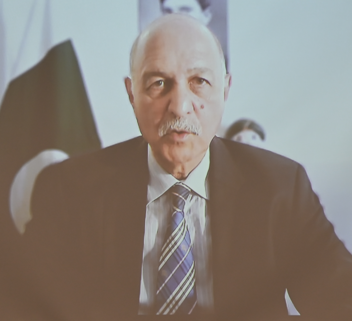
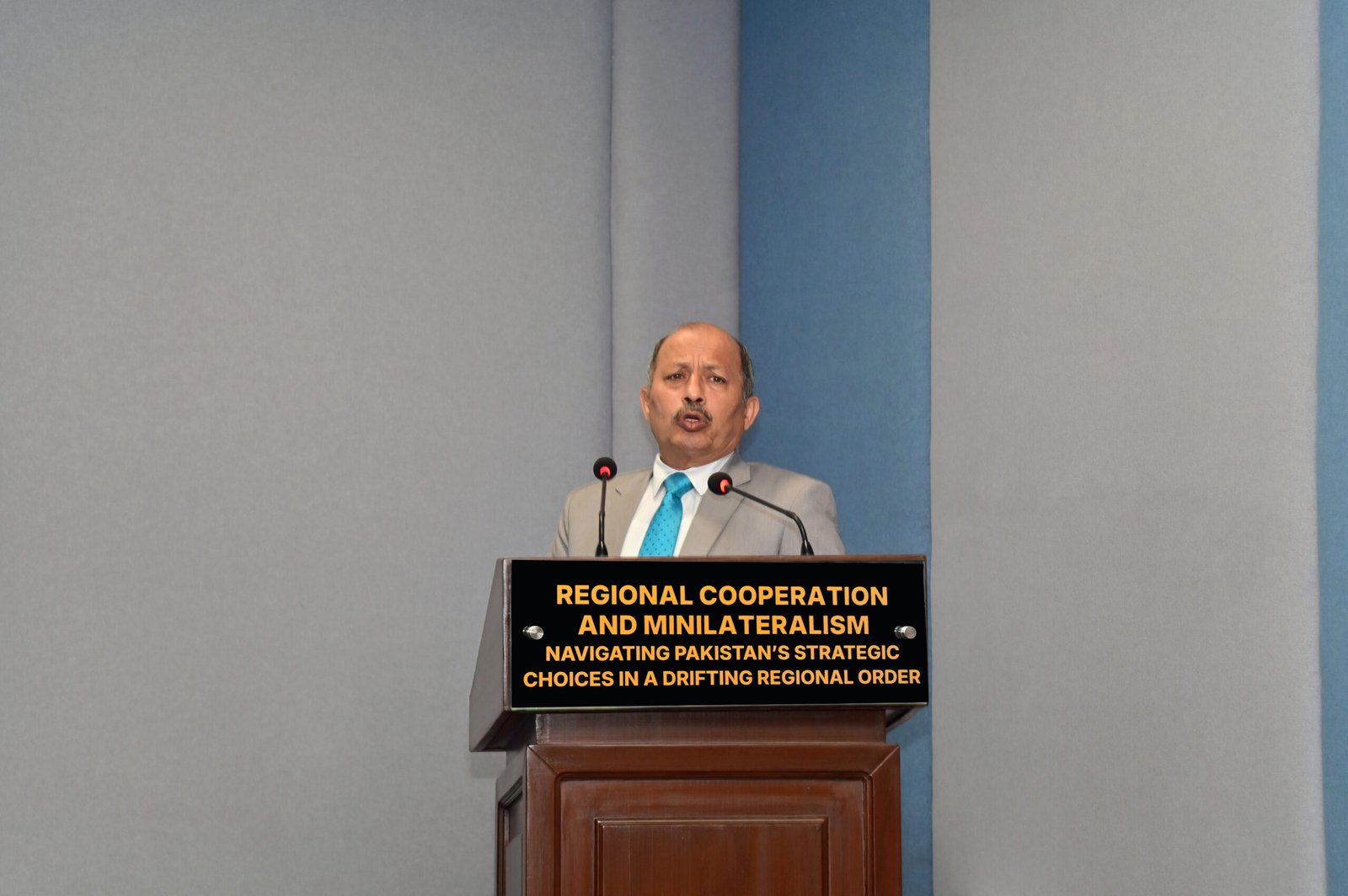
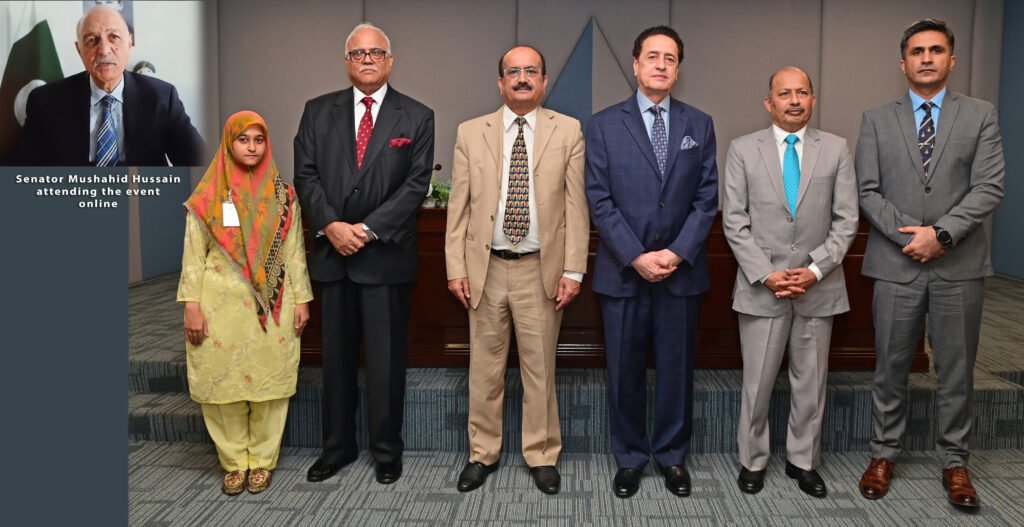
Senator Mushahid Hussain Sayed
Chairman, Pakistan-China Institute
Senator Mushahid Hussain currently serves as Chairman of the Pakistan-China Institute. He holds a Master’s degree in Foreign Service from Georgetown University, US. He was elected as a Senator on two occasions and served as Chairman of the Senate Standing Committee on Defence. He also served as Federal Minister, holding the portfolio of Information and Broadcasting at the Ministry of Information and Media Development.
He was the youngest editor of The Muslim and served as Practitioner-in-Residence at Georgetown’s School of Foreign Service, where he mentored senior students in International Relations. He has also taught Political Science at Punjab University. Senator Mushahid Hussain was conferred the Five Principles of Peaceful Co-existence Friendship Award by China’s President Xi Jinping.
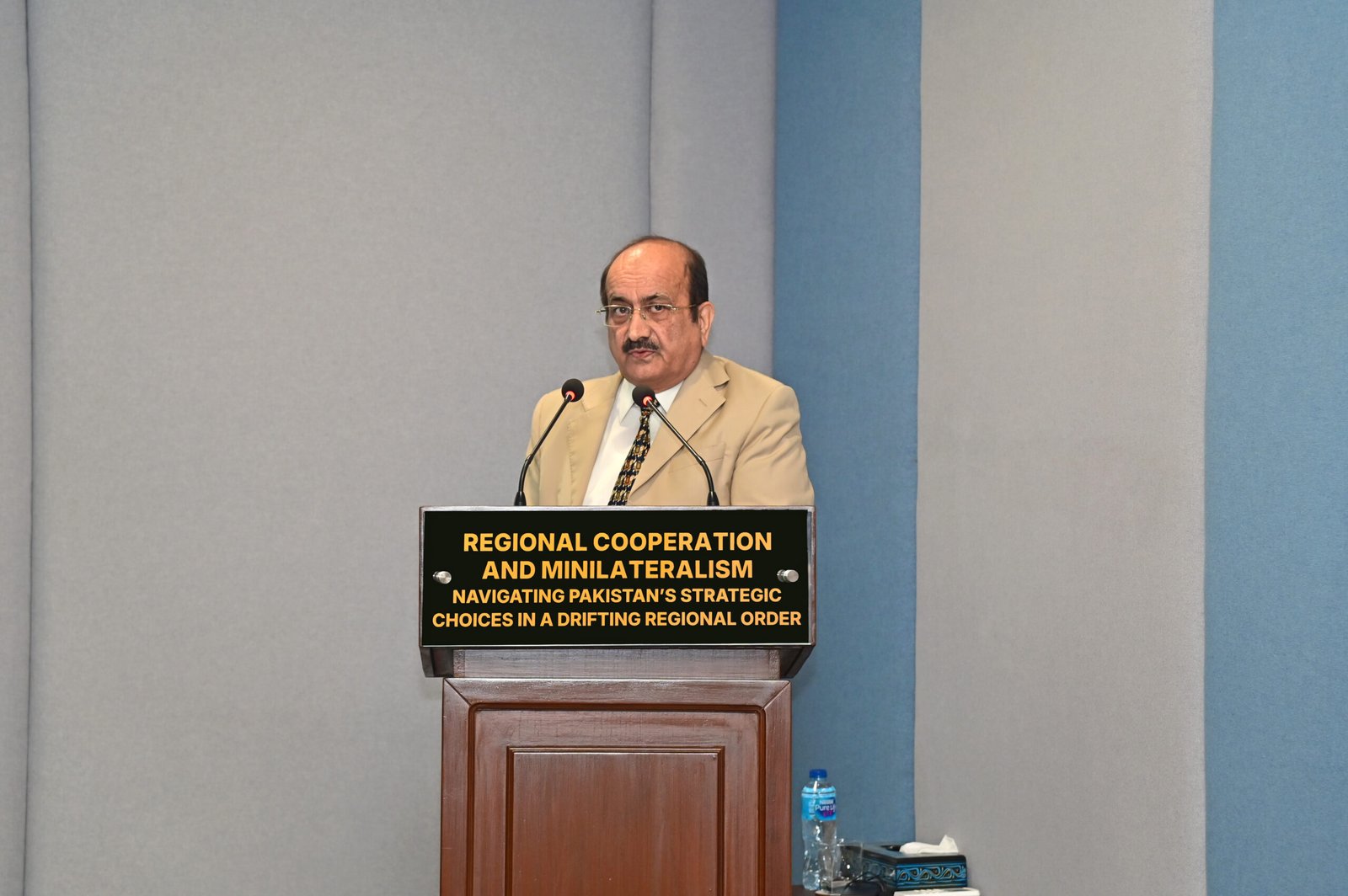
Ambassador Mansoor Ahmad Khan (Retd)
Director, BNU Centre for Policy Research
Ambassador Mansoor Ahmad Khan is currently serving as Director of the Beaconhouse National University Center for Policy Research. He holds a Master’s degree in Diplomatic Studies from the University of Westminster, UK. Previously, he served as Pakistan’s Ambassador to Afghanistan, where he led his mission during the historic transition in Kabul. He has also been Pakistan’s Ambassador to Austria and Permanent Representative to the United Nations in Vienna.
His diplomatic career includes postings as Director General at the Ministry of Foreign Affairs, Islamabad, Deputy High Commissioner in New Delhi, and Deputy Head of Mission in Kabul. In recognition of his services under challenging circumstances, he was conferred with the Sitara-e-Shujaat.
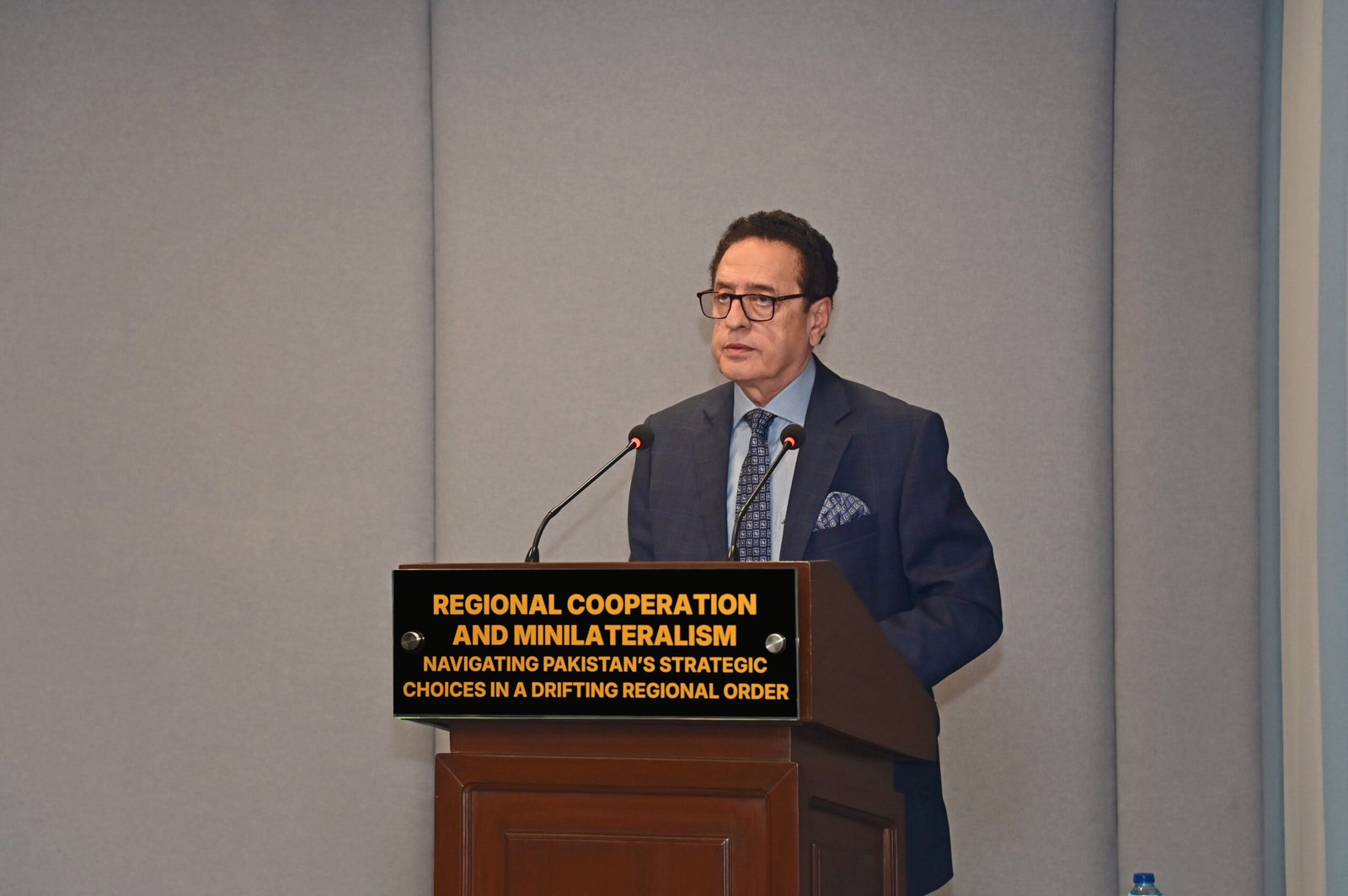
Dr Syed Tahir Hijazi
Former Member, Planning Commission; Rector & Professor of Economics, UCP
Prof. Dr Syed Tahir Hijazi is an educationist, economist, and researcher. He holds a PhD in Development Economics from Clark University and a Master’s degree in Economic Policy from Boston University, USA. He has served as a member of the Planning Commission and was Rector and Professor of Economics at the University of Central Punjab. He has also held academic leadership positions as Vice-Chancellor at the Muslim Youth University and Dean at the American University in the Emirates. Dr Hijazi has completed 38 projects with various international organisations. He has served as Policy and Governance Expert for the Asian Development Bank, Governance Specialist for UNDP, and Consultant for the World Bank. He possesses extensive expertise in governance, economic policy, and human resource management. His body of work includes numerous papers in international journals and four books, among which I’m Taliban and Growth with Perverse Industrialisation in Pakistan are particularly notable.
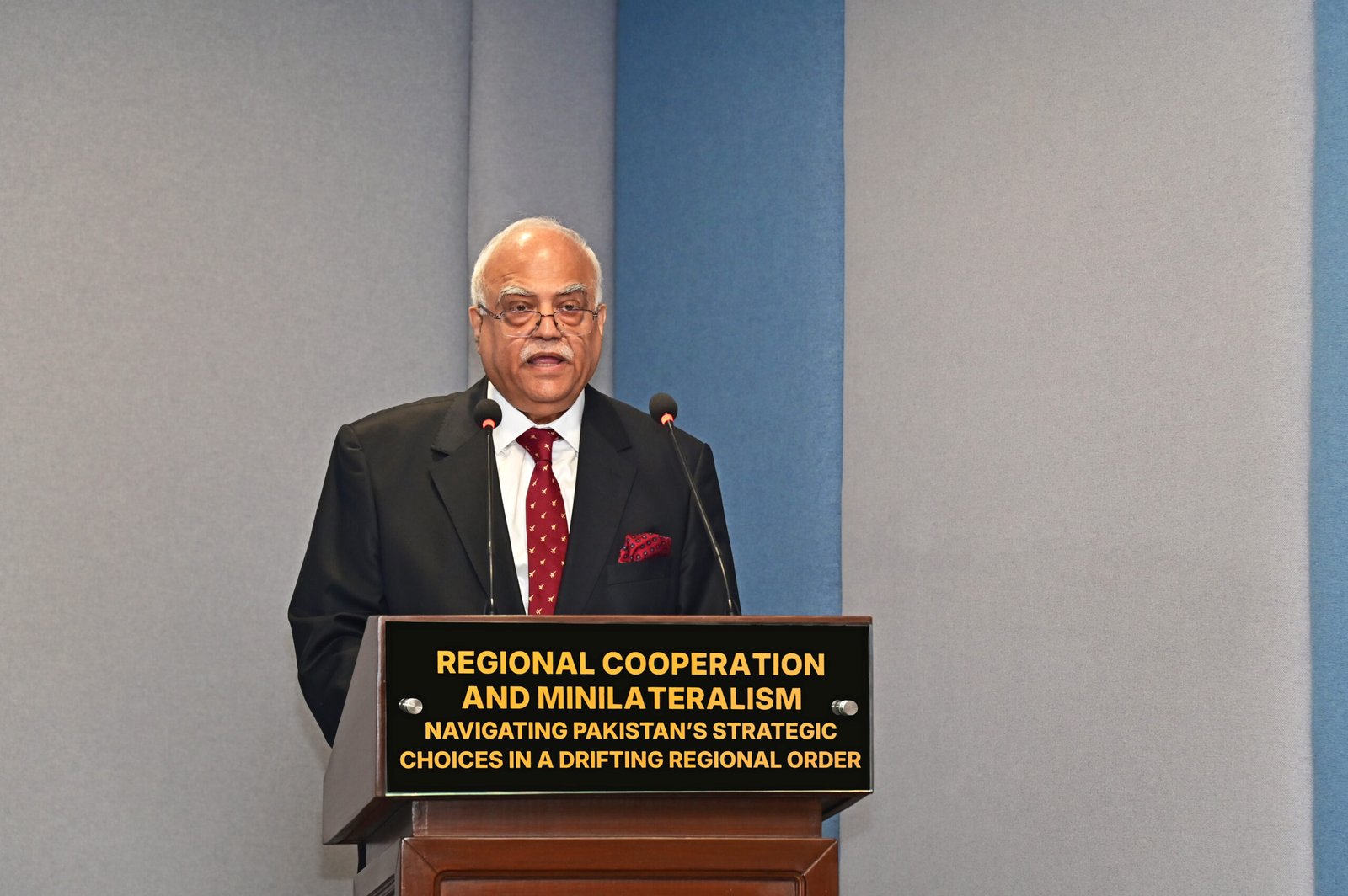
Event Chair
Air Marshal Asim Suleiman (Retd)
President CASS, Lahore
Event Coordinator
Ambassador Muhammad Haroon Shaukat (Retd)
Director Foreign Affairs, CASS Lahore
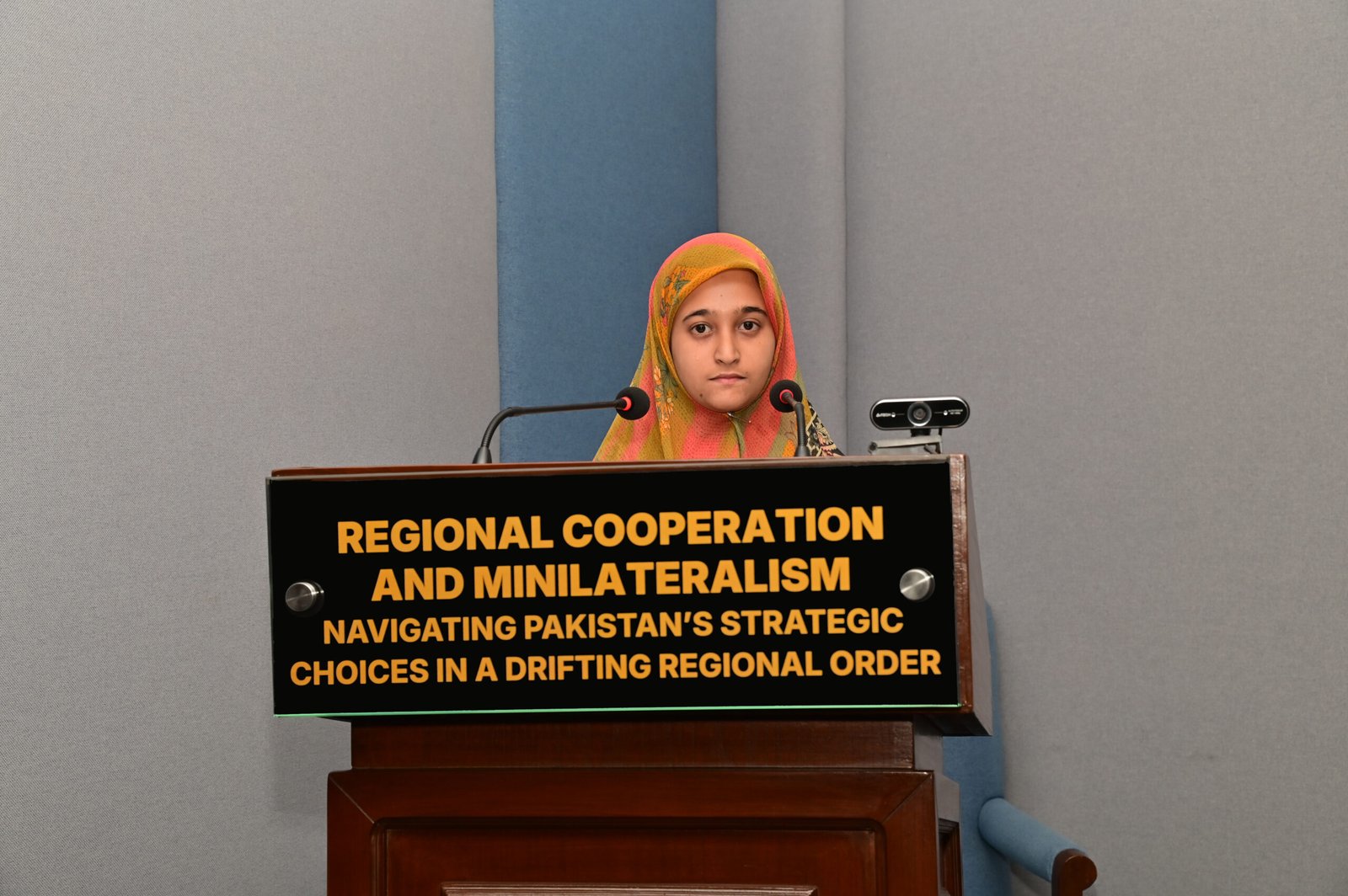
Master of The Ceremony
Ms Arooba Younas
Research Assistant, CASS Lahore

CASS LAhore

The Centre for Aerospace & Security Studies (CASS) was established in July 2021 to inform policymakers and the public about issues related to aerospace and security from an independent, non-partisan and future-centric analytical lens.
CASS Newsletter

@2025 – All Right Reserved with CASS Lahore.

- Home
- About Us
- Research Domains
- Publications
- Events
- Gallery
- Contact Us
@2021 - All Right Reserved. Designed and Developed by PenciDesign