
Artificial intelligence (AI), Electronic Warfare (EW), Cyberspace, and Unmanned Aerial Systems (UAS), and their accelerated fusion, are transforming the security landscape, redefining strategic dynamics, and shaping the character of next-generation aerial warfare in the 21st century. These disruptive emerging technologies have enhanced autonomy, precision, and decision superiority, shifting the warfare paradigm towards data-driven autonomy, machine learning, AI-enabled combat systems, and multi-domain operations —all networked in a distributed kill chain.


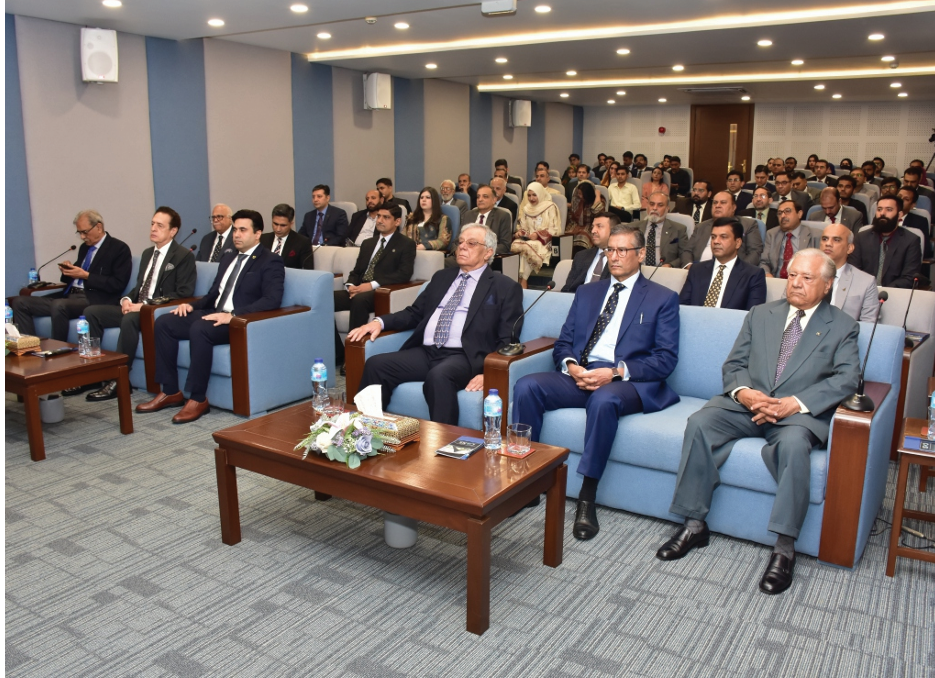
Seminar
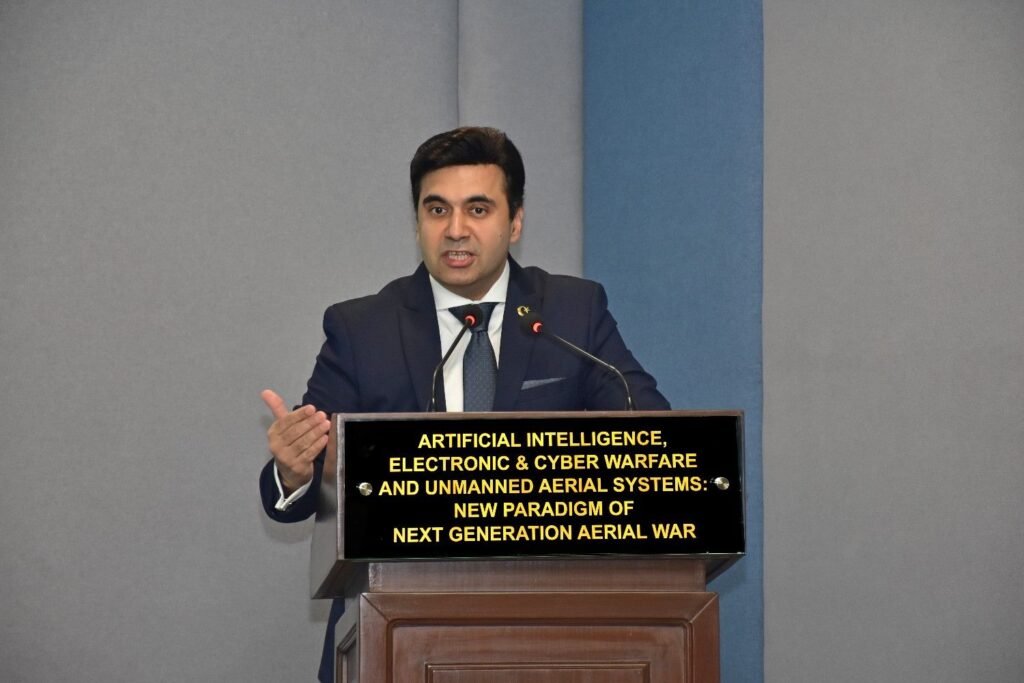
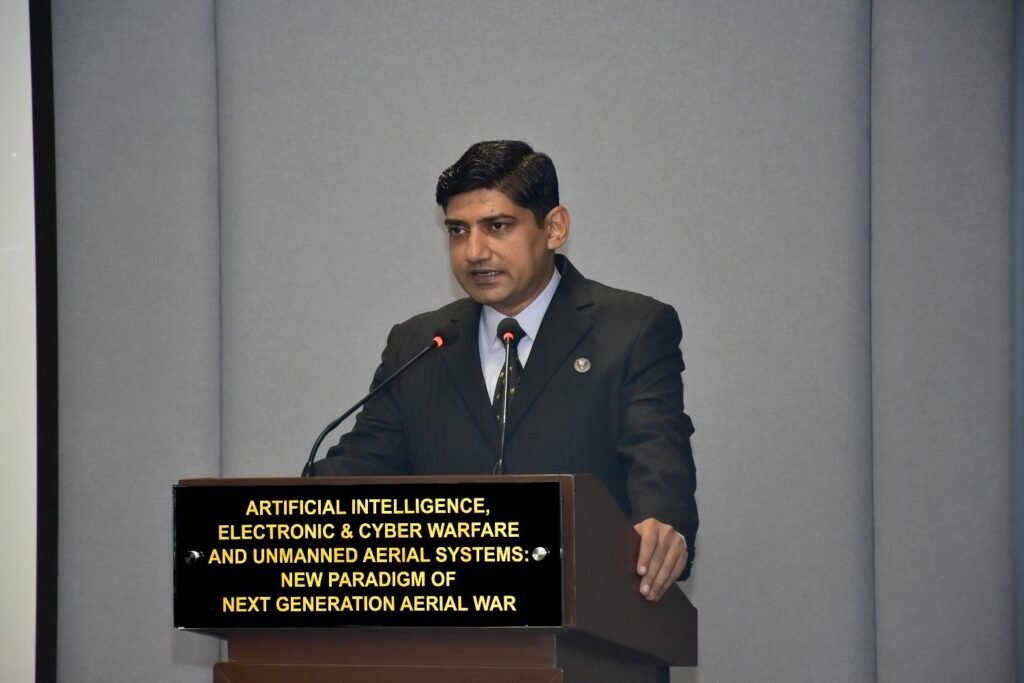
Artificial Intelligence, Electronic & Cyber Warfare and Unmanned Aerial Systems: A New Paradigm of Next Generation Aerial War
July 17, 2025
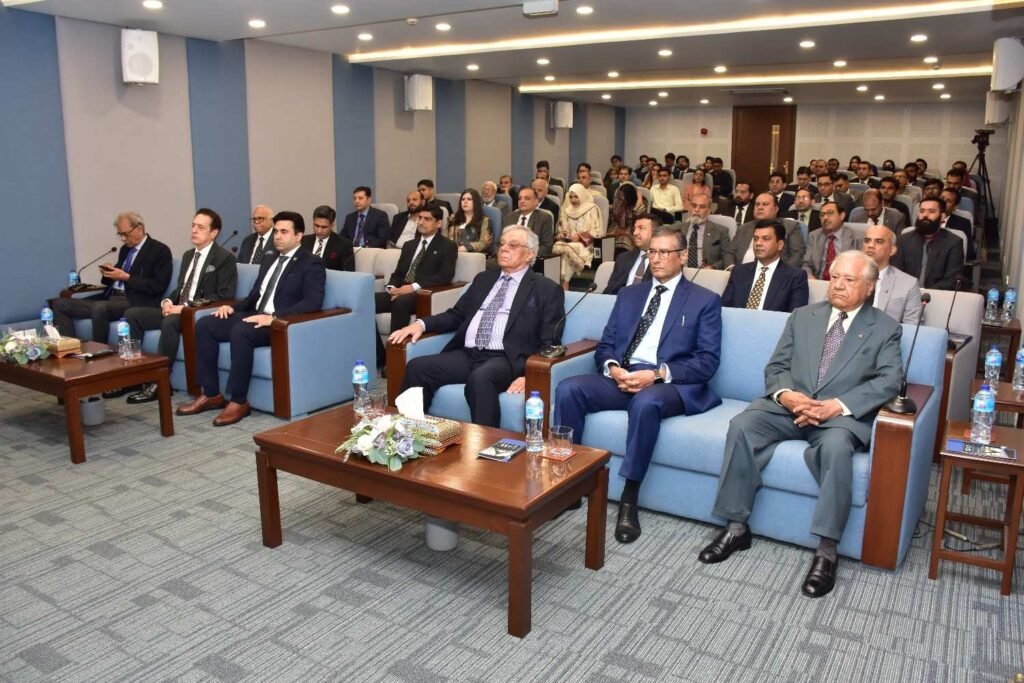
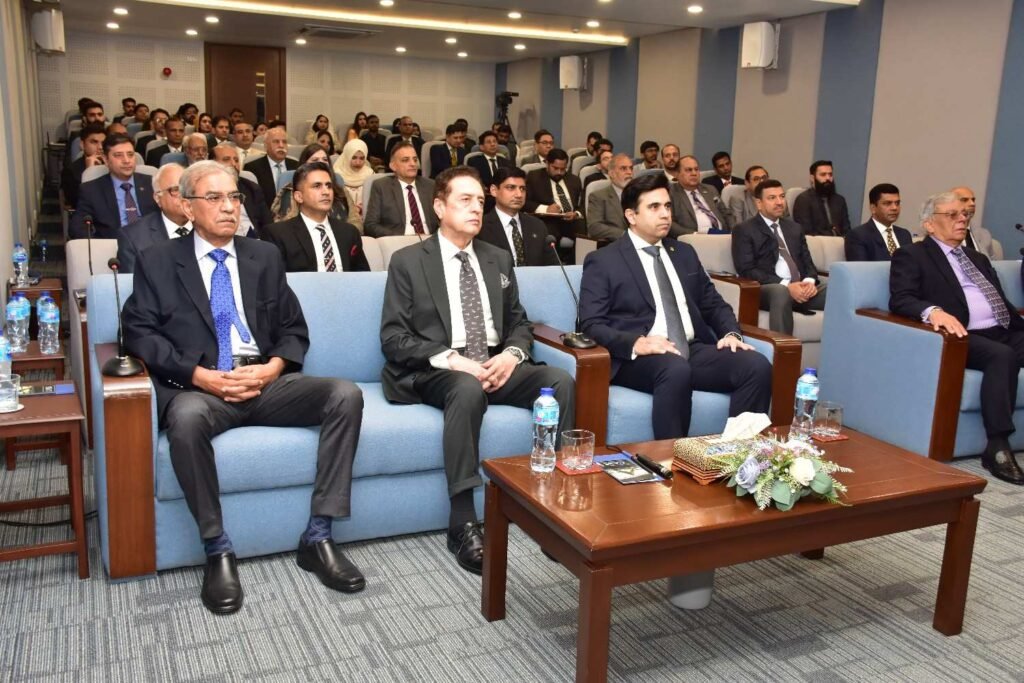
The seminar explored how AI, Electronic Warfare, Cyber, and Unmanned Systems are reshaping modern aerial warfare and highlighted their strategic and ethical implications for Pakistan’s defence.
About The Event
The seismic shifts underway in the character and conduct of aerial warfare have profound implications for Pakistan’s national defence, which stands on the precipice of a new era, one where kinetic warfare will be shaped and, in many cases, preceded by data-centric, algorithm-driven, and electronically contested domains. Artificial Intelligence, Electronic Warfare, Cyber Operations, and Unmanned Aerial Systems are no longer future disruptors; they are the operational present and the strategic imperatives of tomorrow.
Artificial Intelligence-driven EW, Cyberspace and Unmanned Aerial systems leverage sensor fusion and real-time learning to enable autonomous engagement and threat prioritisation in denied or degraded environments. Manned-unmanned teaming (MUM-T) is enhanced through collaborative autonomy, where AI supports decision-making, threat detection, and evasive manoeuvres in real-time scenarios. EW and Cyber warfare have become integral to air strategy, with EW and cyber payloads launched via satellites, aerial platforms and ground-based systems to disrupt enemy command and control networks and aerospace infrastructure.
It is not the maturation of AI systems and human-machine teaming in combat environments where the machine augments rather than replaces the operator’s cognitive and tactical decision-making. As war becomes high-tempo and more complex, AI will enable near-instantaneous threat analysis, target identification, and even autonomous execution of mission profiles, especially in denied, degraded, or contested environments. However, the integration of AI into kill chains must necessitate robust ethical, legal, and doctrinal frameworks to avoid unintended consequences or escalation, especially in nuclear or crisis scenarios where miscalculation could be catastrophic.
Cyber is a domain where perception can be manipulated, command, control and communication systems can be crippled, and entire air defence architectures can be blinded without firing a single shot. The emerging threats posed by cyber-enabled espionage, electronic sabotage, and AI-generated disinformation campaigns are becoming increasingly critical and grave. There is an urgent need to transition from reactive cyber defence to proactive cyber deterrence, including the development of cyber resilience architectures, hardened communication links, and offensive cyber capabilities calibrated to strategic thresholds. The notion of “cyber sovereignty” as a component of national airpower strategy must now be enshrined in PAF’s air doctrine.
The blurring of boundaries between manned and unmanned platforms and between physical and electronic battle-spaces, and the fusion of EW capabilities with autonomous and semi-autonomous UAS platforms, have amplified the scope for standoff strikes, saturation of enemy defences, and persistent Intelligence, Surveillance, and Reconnaissance operations. In particular, the deployment of Lethal Autonomous Weapon Systems (LAWS) poses both operational advantages and strategic dilemmas; how do we maintain deterrence stability in an age where machines can be programmed to select and strike targets without human input?
AI-enabled sophisticated EW and cyber intrusions can compromise avionics, navigation, or weapon systems in real-time, creating invisible and asymmetric vulnerabilities in warfare. In these domains, intelligent systems can detect anomalies, anticipate intrusions, and autonomously initiate countermeasures to ensure survivability in contested electromagnetic domains. The deployment of UASs, particularly Lethal Autonomous Systems (LAS), may destabilise deterrence, lowering the threshold for conflict and increasing the risk of unintentional escalation. This highlights the need for international norms, treaties, verification regimes and algorithmic accountability to regulate the use of UAS/ LAS in future warfare.
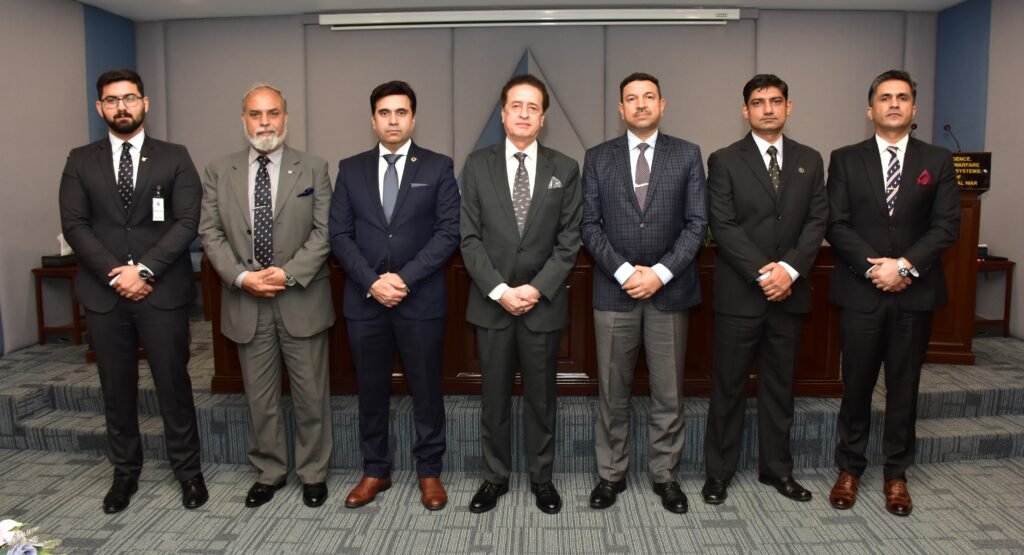
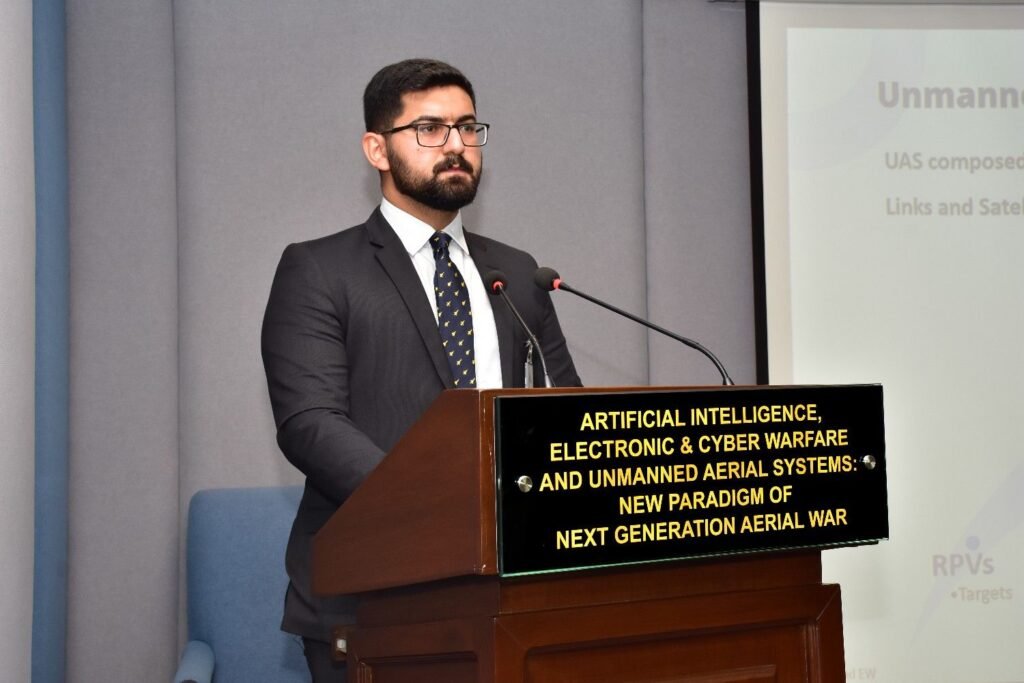
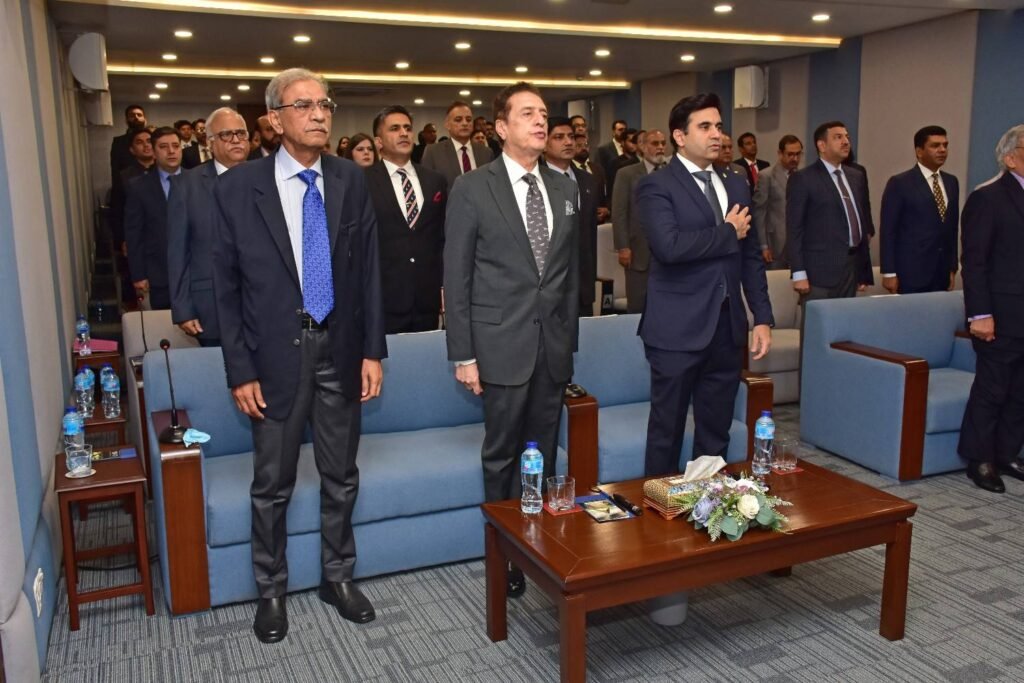
Technology is not destiny; it is a strategic choice, guided by values, doctrine, and the wisdom of experience. While AI, cyber, EW, and UAS are enablers of combat edge, they are also instruments that must be wielded with responsibility, foresight, and restraint. We must embrace innovation without losing sight of the moral compass that governs the use of force. In recognition of the evolving dynamics of AI, EW, cyber warfare and UASs that the Pakistan Air Force will face, the Centre for Aerospace & Security Studies, Lahore, hosted a seminar titled, “Artificial Intelligence, Cyber/ Electronic Warfare, and Unmanned Aerial Systems: A New Paradigm of Next Generation Aerial War.” The seminar identified the imperatives of strategic foresight, emerging threats, technological frontiers, and ethical dilemmas associated with integrating AI, autonomy, EW, cyber, and UAS capabilities in future aerial warfare.
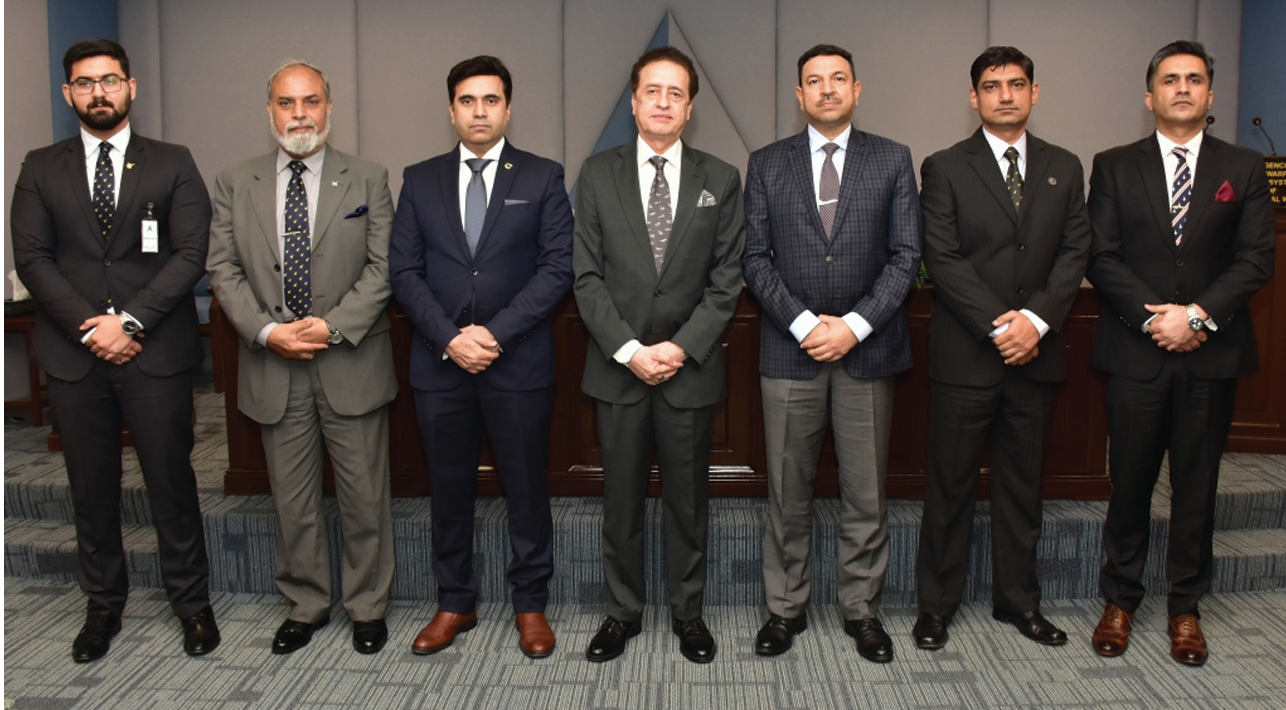
Key Takeaways
- Artificial Intelligence as a Strategic Asset
Artificial Intelligence has moved beyond supporting roles to become central in warfare. It enables faster decisions, sharper situational awareness, and operational autonomy, turning it into a true strategic asset rather than a mere tool.
- Hybrid Warfare Goes Data-Driven
The battlefield now spans cyber, space, air, and the information domain. Data-driven command-and-control systems synchronise these fronts in real time, making hybrid warfare more coordinated and unpredictable.
- Human–Machine Teaming
Manned–unmanned collaboration is reshaping airpower. Concepts like “Loyal Wingmen” and virtual copilots increase survivability, reduce costs, and allow Air Forces to scale combat power without relying solely on expensive manned fighters.
- Cyber Power as a Doctrine
Cyber has evolved from a support role into a doctrinal pillar of warfare. It delivers disproportionate effects, sometimes achieving more than kinetic strikes, making cyber warriors as vital as frontline troops.
- Drones and Swarms
Unmanned systems offer persistence, precision, and affordability. Swarm tactics and loitering munitions provide asymmetric options, allowing smaller states to deter larger adversaries effectively.
- Electronic Warfare as the Decisive Domain
Electronic Warfare has become a central pillar of modern conflict. By controlling the electromagnetic spectrum through jamming radars, disrupting communications, and blinding sensors, it dictates the tempo of battle and often determines the outcome before kinetic engagement begins.
- Techno-Realism in Power
Power in the 21st century rests on technological self-sufficiency. Nations that master Artificial Intelligence, cyber, and autonomous systems gain influence, while others risk dependency.
- Rise of Tech-Polar Blocs
The world is shifting into blocs defined by technological independence. States are aligning not just by ideology or geography, but by their access to Artificial Intelligence, cyber, and autonomous systems that guarantee sovereignty.
Policy Considerations
- Unified National AI & Cyber Doctrine
Institutionalise an integrated tri-service AI and cyber doctrine to define interoperability, ethical deployment, autonomous system governance, and multi-domain coordination across air, land, sea, space, and cyber domains.
- Zero-Trust Security Architecture
Adopt a Zero-Trust framework across defence networks, enforcing continuous verification, least-privilege access, and micro-segmentation to counter insider and persistent threats.
- Indigenous R&D for Strategic Autonomy
Scale up local R&D in AI, drones, and EW systems, investing in sovereign algorithms, secure hardware, and trusted supply chains to reduce reliance on foreign technologies.
- Civil-Military Innovation Ecosystems
Expand PAF-NASTP and NICAT to incubate dual-use innovations, fostering academia–military–industry partnerships for rapid battlefield and civilian applications.
- Cyber Threat Intelligence Fusion Centre
Establish a centralised national fusion centre to integrate tactical-to-strategic cyber intelligence, enabling early warning and cross-agency coordination during crises.
- AI-Enabled C4I & Digital Resilience
Accelerate AI-driven C4I infrastructure with edge/cloud computing for real-time threat detection, decision support, and operational continuity in hybrid or degraded environments.
- Drone Doctrine & Deterrence
Formulate a national drone doctrine treating cross-border incursions as strategic escalations, defining deterrence postures, ROEs, and response thresholds.
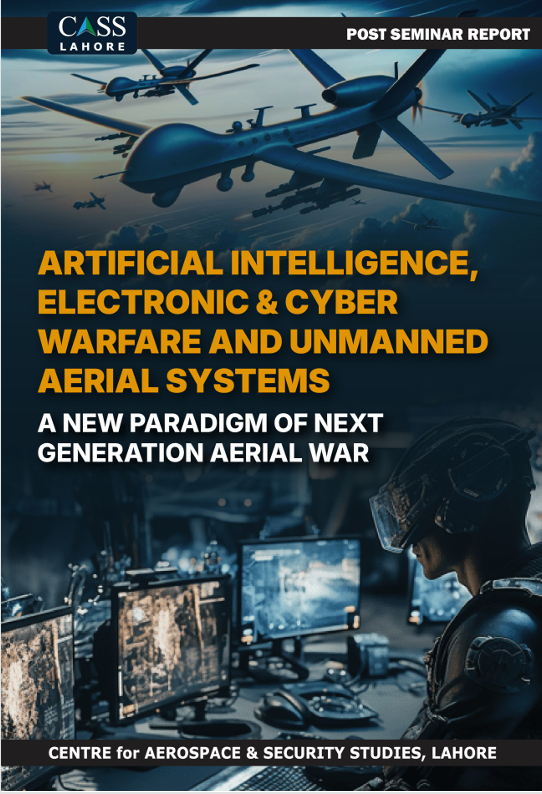

Post Event Report
A comprehensive report capturing expert analyses, strategic insights, key recommendations, media coverage, and event highlights.
Guest Speakers
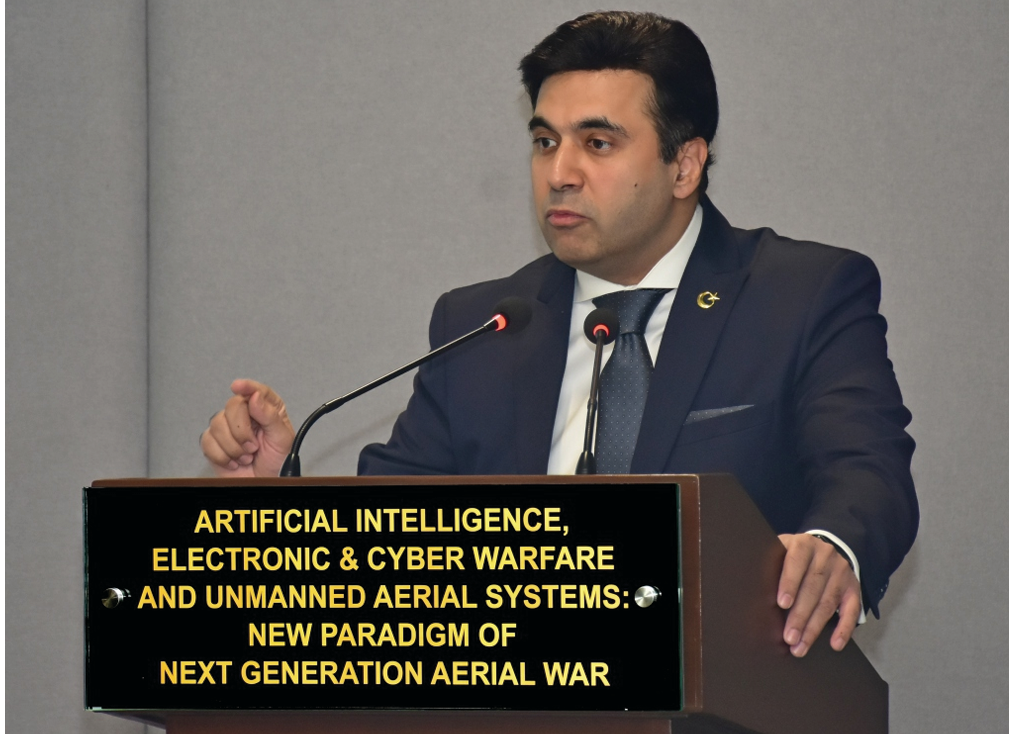
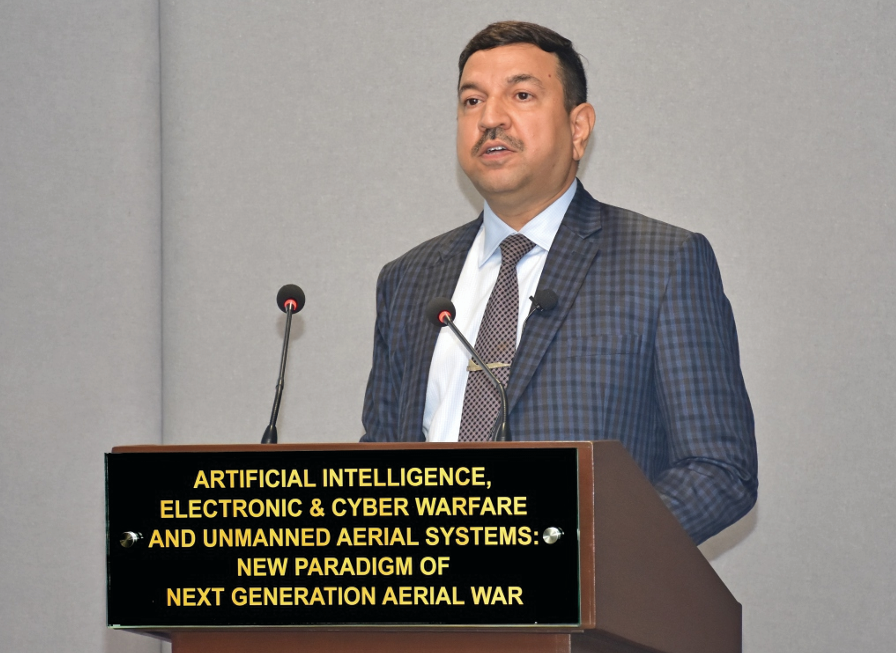
Prof Dr Yasser Ayaz
Chairman NCAI, NUST Islamabad
Prof Dr Yasar Ayaz is the Founding Chairman and Central Project Director of Pakistan’s National Centre of Artificial Intelligence (NCAI), Headquartered at the National University of Sciences and Technology (NUST), Islamabad. He also founded Pakistan’s first Department of Robotics & Artificial Intelligence at NUST in 2010, where he is also currently working as a full Professor. He holds International Adjunct Professor Titles at Tohoku University, Japan and China University of Mining and Technology, Beijing.
He is the author of over 150 international publications and has won international best paper awards in London, UK and Sydney, Australia in 2018 and 2013, respectively. He also has three product design patents registered in his name, with several more under review. He has delivered more than 80 invited and keynote talks at prominent venues, including the USA, Japan, the UK, South Korea, China, Italy, Belarus, Norway, Morocco, and Saudi Arabia etc. In addition to winning the President’s Gold Medal, the Top Performer BRAIN Award at NUST, the Engineers’ Excellence Award of Pakistan Engineering Council, the Medal of Achievement and the Lifetime Achievement Award of IEEE Islamabad Section, he has been conferred with the Pride of Performance Award by the President of Pakistan in 2021.
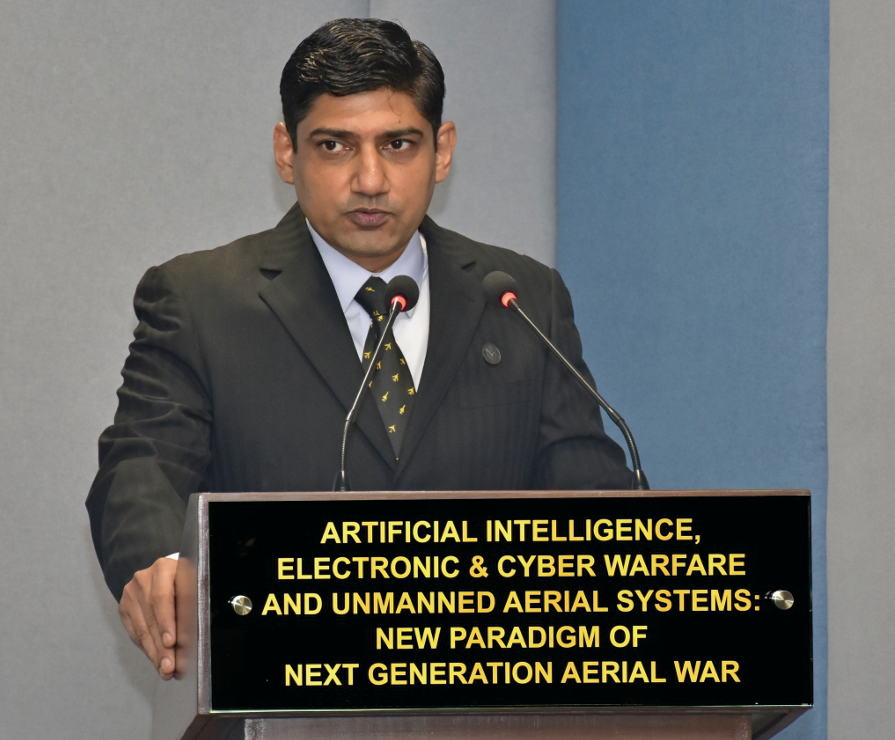
Air Commodore Raza Haider (Retd)
Director Emerging Technologies, CASS Islamabad
Air Commodore Raza Haider (Retd) is a Director Emerging Technologies & Aerospace Industry at the Centre for Aerospace and Security Studies (CASS), Islamabad. An accomplished Aerospace Engineer with an M-Phil in Strategic Studies, he brings three decades of practitioner’s expertise, including years of experience at Chengdu Aircraft Design Institute, China. He retired as Deputy Chief Project Director JF-17 Thunder Aircraft Programme. As an Aerospace Flight Test Engineer, decades of aircraft development, production knowhow and a very unique experience of working in all key phases of JF-17 aircraft Development, Production and Programme Management ‘in-Continuity’ for 20 years; his expertise were utilised by the PAF after retirement by retaining him as Advisor JF-17 in National Aerospace Science & Technology Park, (NASTP) Islamabad, and currently as Director Emerging Technologies at Centre for Aerospace and Security Studies (CASS), Islamabad. He is a prolific writer, speaker and contributor to various magazines and newspapers. In recognition of his meritorious services, Air Cdre Raza was awarded the Gold Medal from the National Defence University and Sitara-i-Imtiaz (Military) from the Pakistan Air Force.
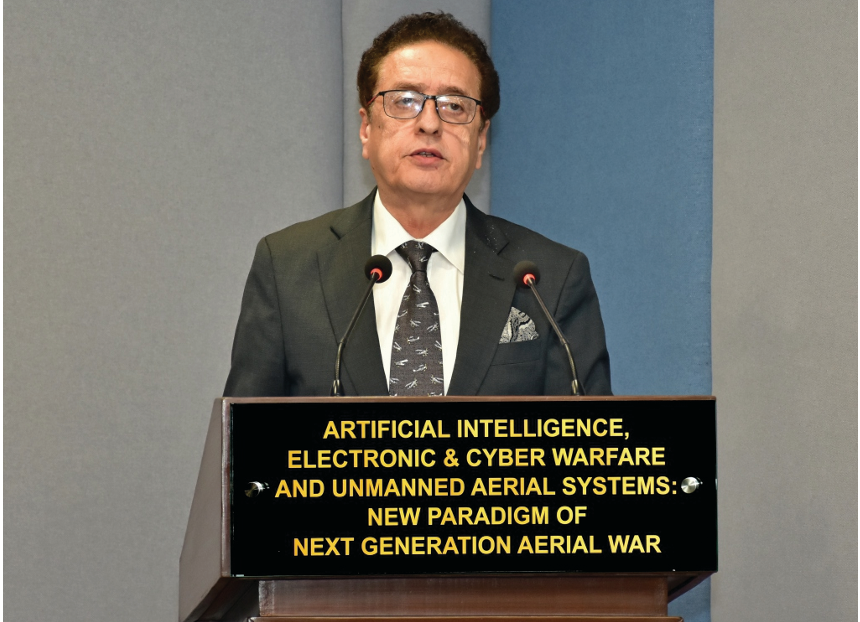
Group Captain Farhan Ahmad
Director Cyber (Ops) Cyber Command Air Headquarters. Islamabad
Group Captain Farhan Ahmed was commissioned into the GD (P) Branch of the Pakistan Air Force in March 2005 after joining PAF Academy Risalpur in 2001. He is a seasoned fighter pilot who has flown several aircraft, including F-7P and KE-03 aircraft. Gp Capt Farhan has served across multi-domain roles, including airborne early warning, electronic warfare, and cyber operations. He has held key appointments including Officer Commanding No. 4 AWACS Squadron, Deputy Director Electronic Warfare, and instructor at both PAF Academy and Combat Commanders’ School. Currently serving as Director Cyber Operations at Air Headquarters, he led PAF’s cyber offensive operations in a recent conflict under the CAS vision and direction. He is a graduate of multiple professional courses, including Senior Command & Staff and Combat Commanders’ Course. In recognition of his outstanding contribution, Gp Capt Farhan has been awarded several Chief of the Air Staff Commendation Certificates and appreciation letters.
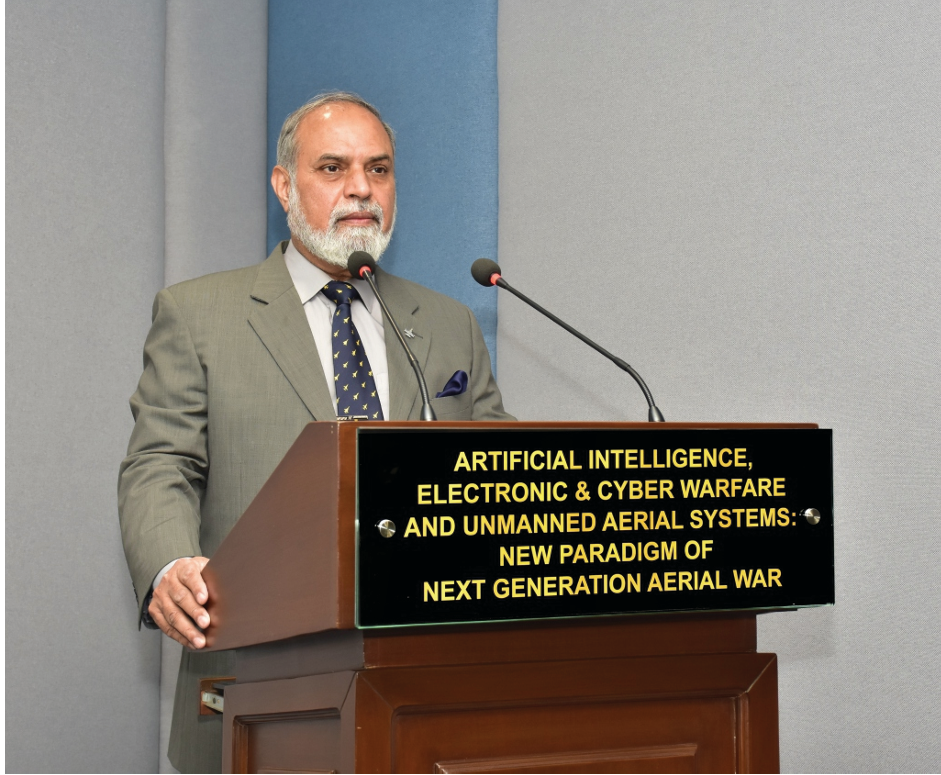
Event Chair
Air Marshal Asim Suleiman (Retd)
President, CASS Lahore
Event Coordinator
Dr Air Commodore Naveed Khaliq Ansaree (Retd)
Director Doctrine & Warfare, CASS Lahore
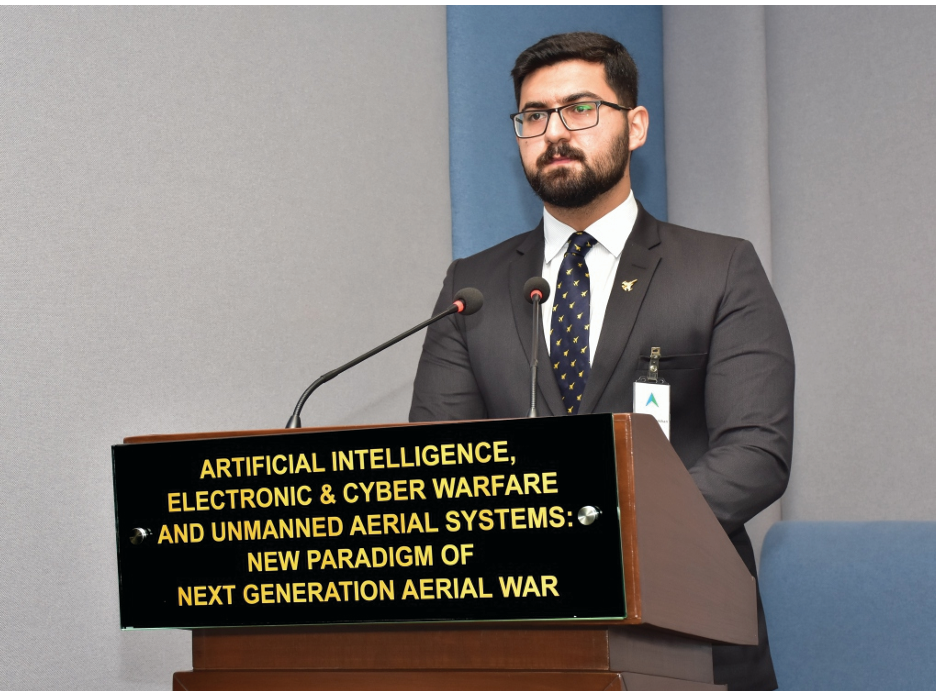
Master of The Ceremony
Azhar Zeeshan
Research Assistant, CASS Lahore

CASS LAhore

The Centre for Aerospace & Security Studies (CASS) was established in July 2021 to inform policymakers and the public about issues related to aerospace and security from an independent, non-partisan and future-centric analytical lens.
CASS Newsletter

@2025 – All Right Reserved with CASS Lahore.

- Home
- About Us
- Research Domains
- Publications
- Events
- Gallery
- Contact Us
@2021 - All Right Reserved. Designed and Developed by PenciDesign